

Bandini other 1951
General description :
As a young boy growing up in Italy’s Emelia-Romagna region, Ilario Bandini was a tinkerer who seemed predestined to life in motorsports. After finishing primary school, Bandini served as an apprentice mechanic, learning the art and science of chassis and engine tuning. In his twenties, he operated a successful transport business in the Italian colony of Eritrea before returning to Italy in 1939 to follow his passion and open a garage.
Concurrently, Bandini began his racing career on motorbikes before switching to cars. He raced in the 1940 Mille Miglia in a tuned Fiat 1100 Balilla, which eventually served as the basis for the first proper Bandini automobile in 1946. Ilario disassembled his Fiat 1100 before the war to hide it from the Germans, later reassembling it with a modified tubular chassis, revised suspension, a tuned 1100 cc engine, and rakish lightweight coachwork by Carrozzeria Rocco Motto. He resumed his racing career with the newly christened Bandini 1100, which proved to be a quick and attractive racing car. Following the adage of “race on Sunday, sell on Monday,” Bandini soon received orders from privateers, and his business took off.
In the early ‘50s, an Italian-American car importer/dealer named Tony Pompeo sent some American Crosley 750cc racing engines to Italy for these small constructors to use in their new cars. The Italians loved the Crosley engine (originally used in PT boats) for its reliability and overbuilt, Bentley-like design with 5 main bearings, compared to Fiat’s 3. At this time, Bandini focused primarily on the Mille Miglia, in hopes of winning the prized 750-cc class that was so hotly contested by the likes of Siata, Giaur, Stanguellini, Moretti, Nardi and others.
Bandini’s new sports racing car was the Siluro (“Torpedeo”), built on a tubular spaceframe chassis (made using wing struts from a nearby airplane manufacturer), modified Crosley 750-cc engines, and hand-hammered aluminum bodies by the legendary Rocco Motto. The initial four cars featured delicate cycle fenders all around. As Crosley outclassed Fiat, Bandini and others fully embraced the tiny American engine. Ilario even developed a gear-driven DOHC head for the Crosley aluminum block, first used in 1954. The combination was a hit, and the jewel-like Bandini racers were often found at the sharp end of the field in SCCA sub-two-liter classes, including F-Modified and the perennially popular H-Modified where a Bandini Crosley won the National Championship in 1955 and 1957. It was only when the invasion of rear-engine British cars arrived did Bandini struggle, and after about 80 cars, the marque gradually declined through the 1960s, although Ilario continued to build racing cars off and on, well into the 1980s.
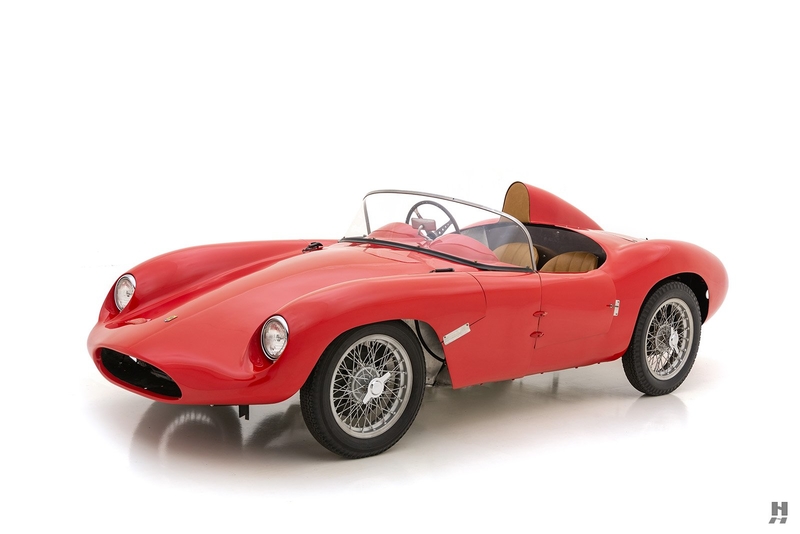
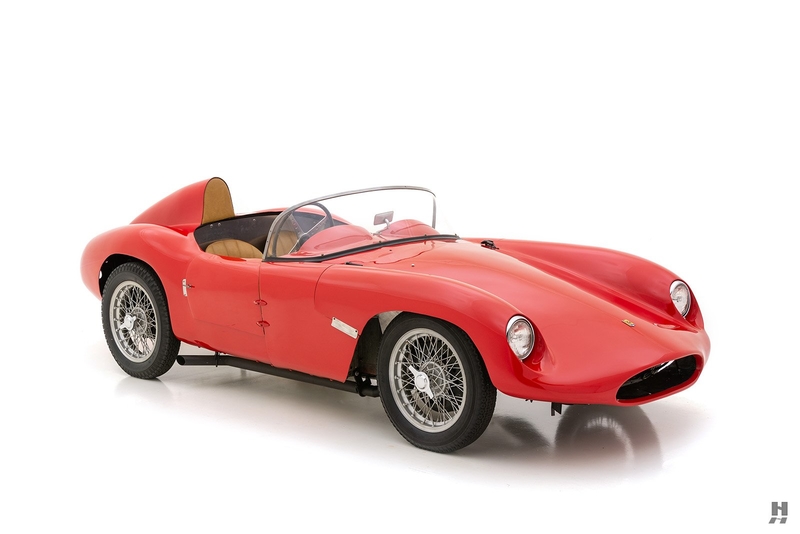
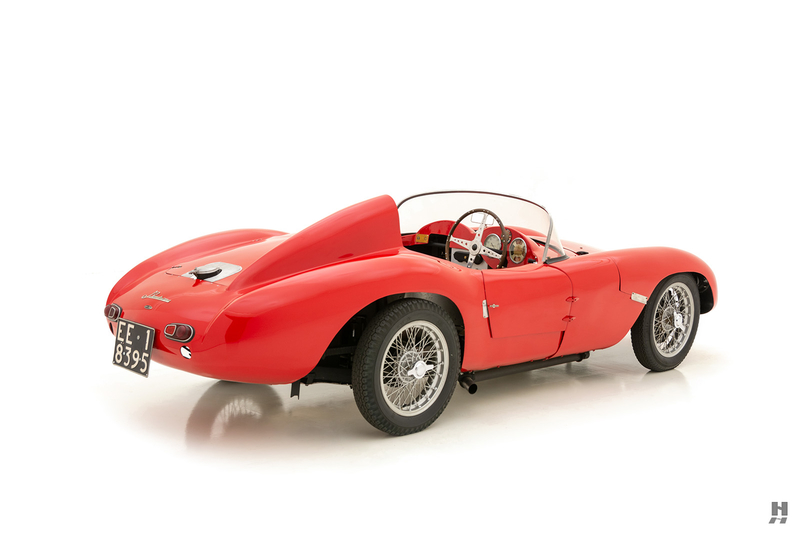
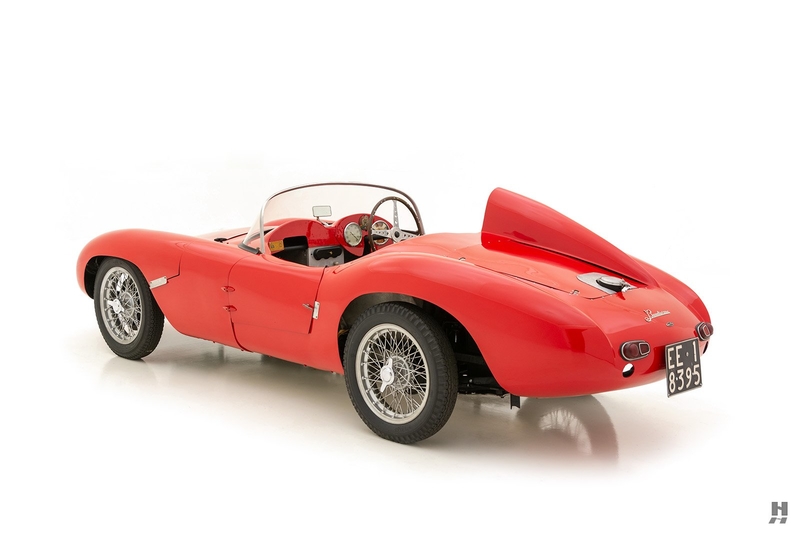
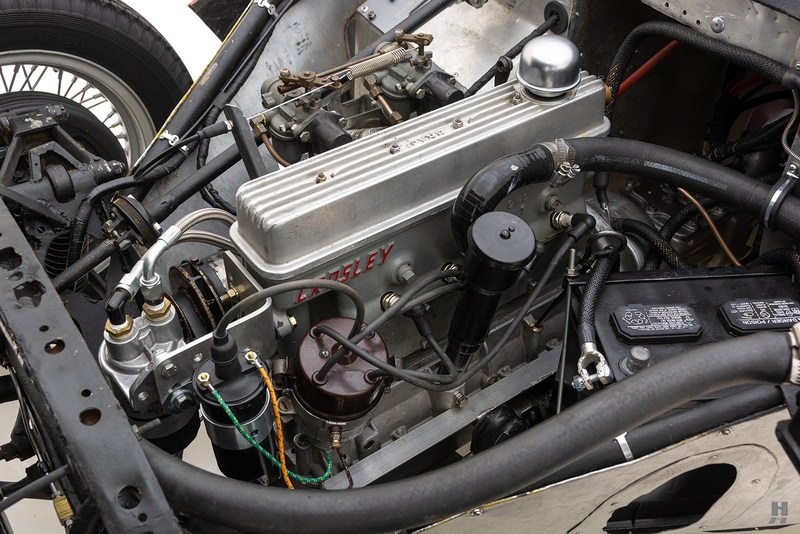
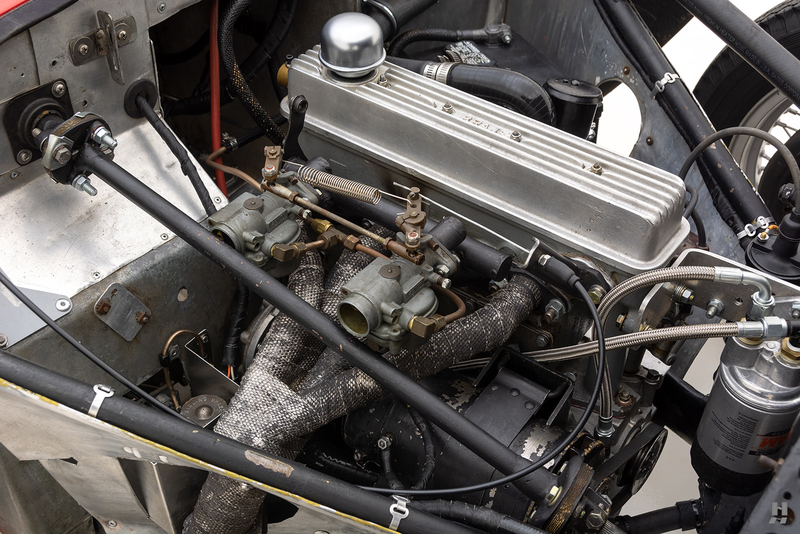
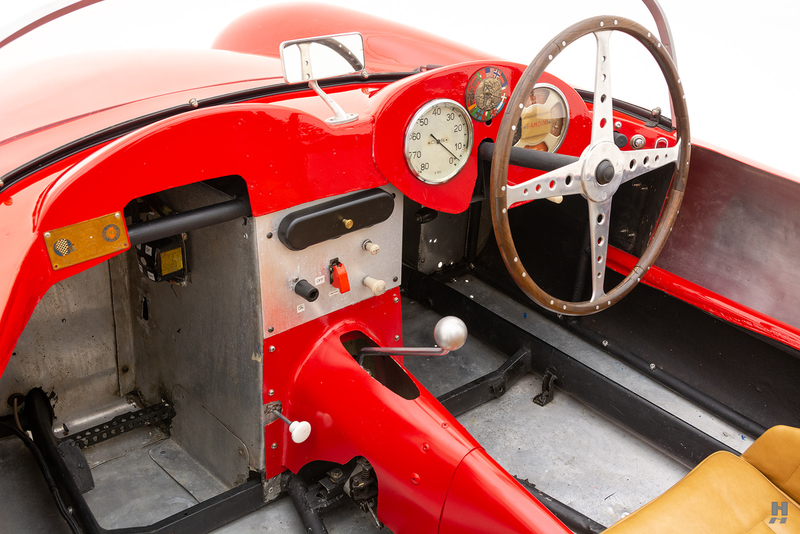
Offered here is a beautiful and evocative 1951 Bandini 750, wearing a version of the iconic sports racer body created by Bill Devin. This particular Bandini began life as a 750 Siluro Crosley bodied with alloy torpedo coachwork by Carrozzeria Motto. It is a marvelous example of Italian Etceterini with rich racing history in the Midwest and beyond. According to information compiled from previous owners, this car was delivered to Chuck Hassan in early 1952, fitted with a 750 Crosley fed by twin Dell’Orto carburetors. Its maiden outing was the 1952 Vero Beach races, where it took 1st in class in the 6-hour enduro, winning the Index of Performance. The race was a warmup for the 12 hours of Sebring the following week, where Hassan teamed up with his mate Beau Clark. The diminutive Bandini led its class until a mechanical failure ended their run in a DNF. Hassan and his Bandini ran the remainder of the ’52 season, managing another class win at Turner AFB.
After the 1952 season, Hassan sold the Bandini Siluro to James Riley of Indianapolis, who raced it a handful of times, winning the H-Mod race at MacDill AFB in Florida. The featherweight Bandini continued its successful run through 1953. Riley then sold the car to his racing buddy Sandy MacArthur in 1954, winning class honors and proving consistent enough to tie for 6th place in the SCCA H-Mod National Championship MacArthur racked up even more success, which he recalled in an entertaining letter included in the history file. Ahead of the 1955 Sebring 12 Hours, the Crosley was yanked in favor of a Kiekhaefer Mercury outboard engine. The nimble Bandini/Mercury was fast, but the Fiat-based gearbox erupted in protest, knocking it out of the lead in the Index of Performance. After the race, MacArthur sold the Bandini to his longtime friend and mechanic, Mr. Clair “Sonny” Reuter of Wheaton, Illinois.
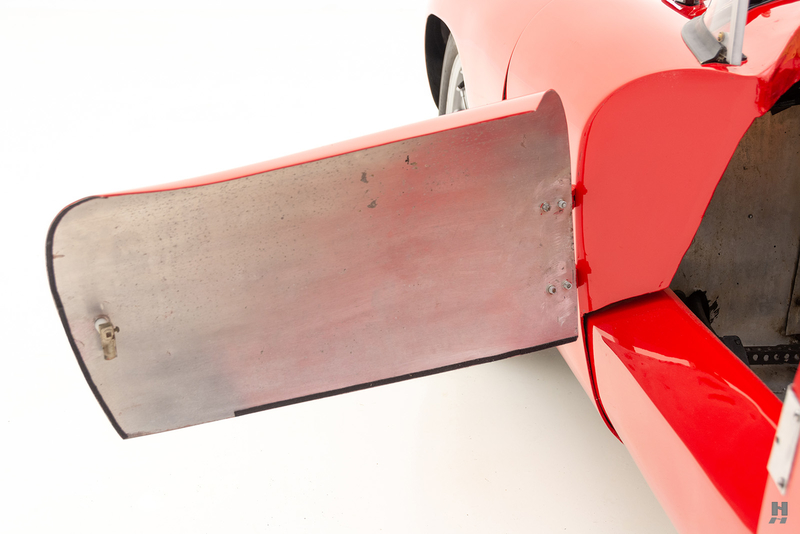
Mr. Reuter replaced the marine engine with a proper Crosley 750, but the original light-alloy body was battle-scarred and tired by that time. Clair purchased a slick new lightweight fiberglass Barchetta body from Devin and adapted it to the Bandini chassis. He raced a handful of times in the 1958 season before tucking it away in the basement garage as family life took precedent over racing. There it sat in Reuter’s garage for the next 50 years. Shortly before his passing in 2006, his daughter reached out to experts for help with the Bandini. They eventually connected her to a lifelong car collector, Bandini enthusiast, and connoisseur of all things Etceterini, who agreed to rescue the car and preserve its rich history.
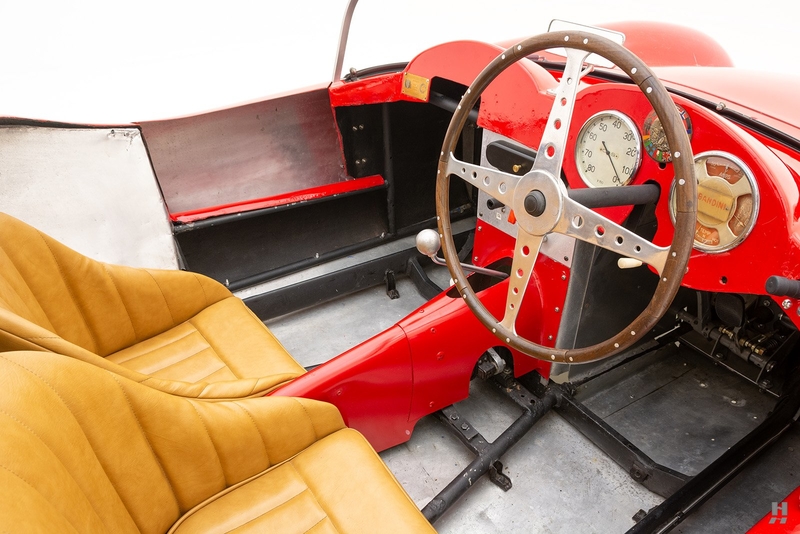
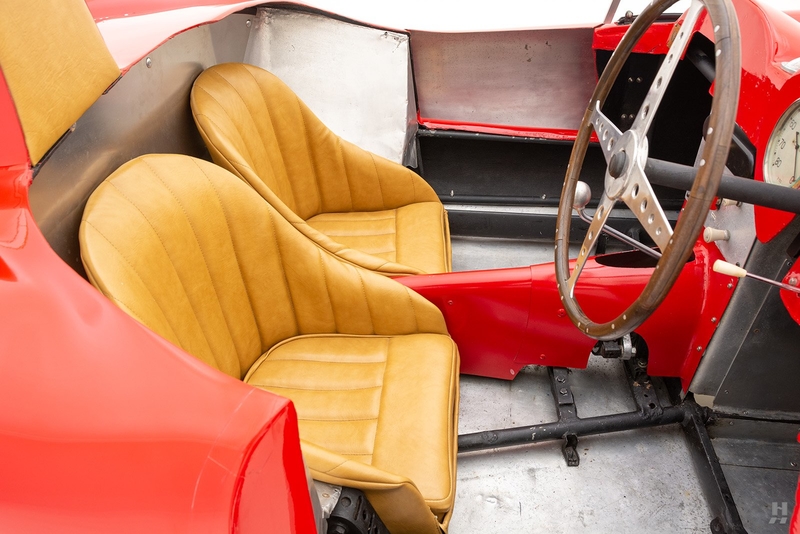
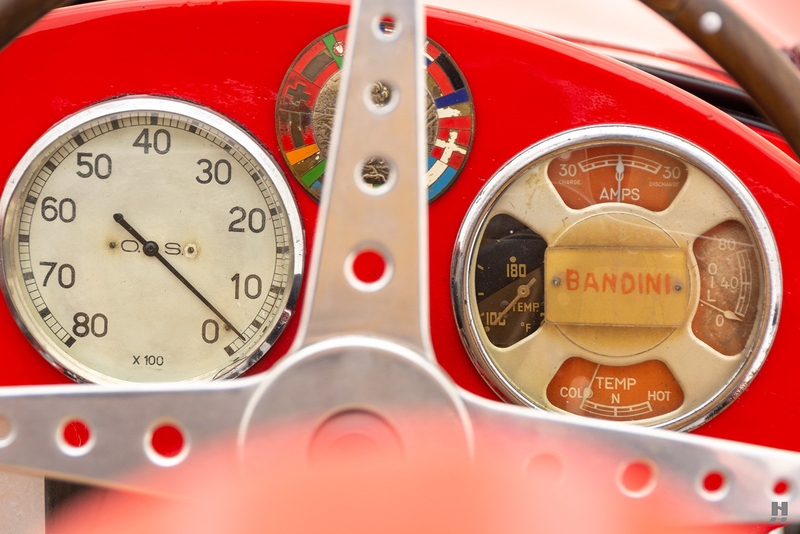
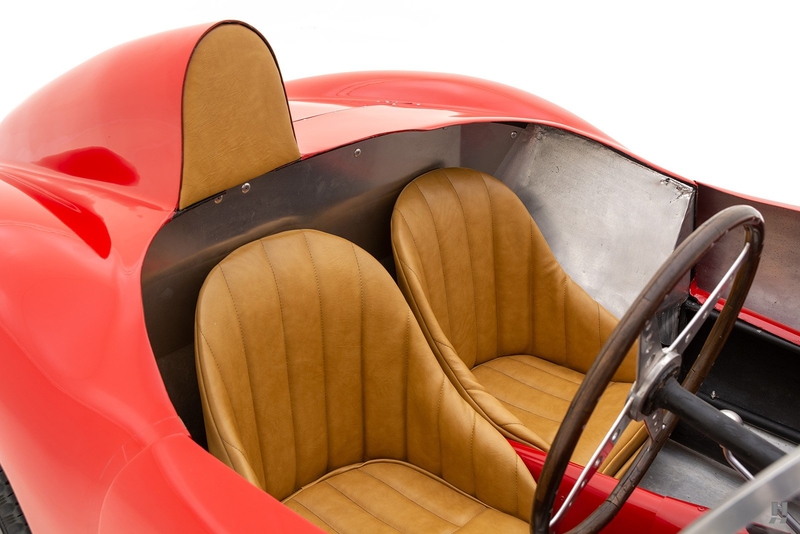
In its current ownership, the Bandini-Devin received a sympathetic refurbishment, returning it to a period-correct condition as possible. Marque expert Jerry Greaves rebuilt the Crosley engine, and the owners restored the chassis and lightweight fiberglass body. It rides on proper 15 x 2.75 64 spoke Borrani wheels with period Pirelli Stelvio tires and includes the original steering wheel etc. The current owner was even able to save portions of the original Motto body, which Reuter stashed behind his garage in the late 50s. It is well presented and suitable for racing with groups like the VSCCA or for pre-57 rallies.
The current owner painstakingly researched the provenance of this remarkable and unique Bandini-Devin, and the accompanying history file includes the following:
Extensive period photographs (including a shot of it towed by the Bosley Mk1 GT!)
A letter from Sandy MacArthur
Detailed Race history
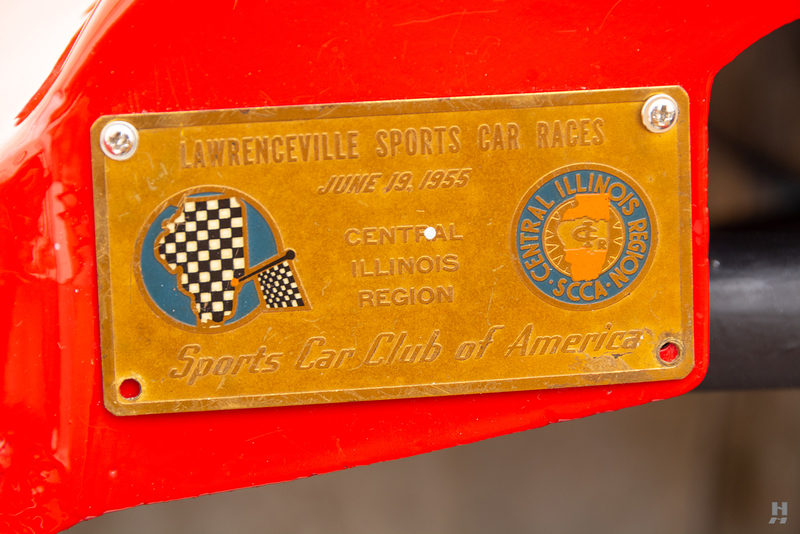
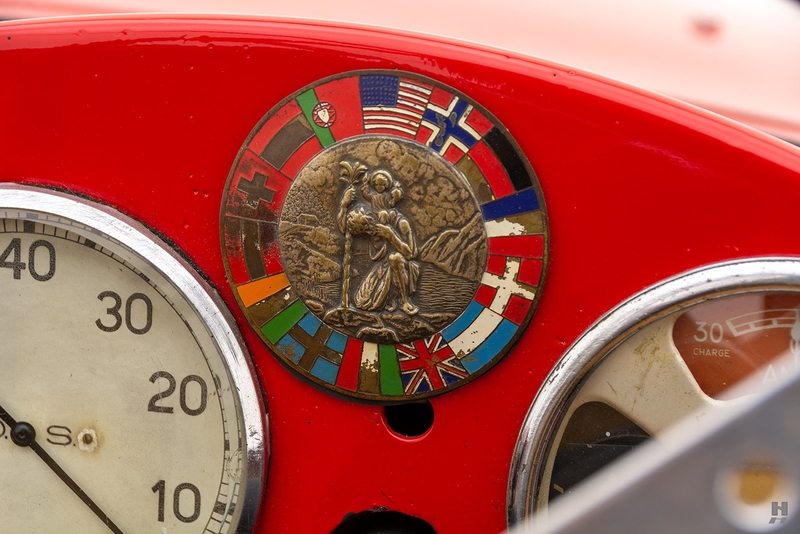
An extraordinary collection of original race programs and dash plaques from many of the events in which the Bandini competed.
A preview of photos and files are available here: https://hymanltd.com/1952-bandini-750-siluro-devin-monza-history/
The Bandini-Devin is a truly delightful and historically significant racer, with a rich, fascinating story forged in the golden era of American sports car racing.
Please note that this vehicle is titled as a 1949
Offers welcome and trades considered
https://hymanltd.com/vehicles/6873
1951 Bandini other is listed sold on ClassicDigest in St. Louis by Mark Hyman for $125000.
Car Facts
Car type : Car Make : Bandini Model : other Engine size : 0.0 Model Year : 1951 Sub type : Race/Rally Car Location : Missouri
Sold
Seller Information
Sold
Other cars listed for sale by this dealer
AC Cobra 289
195000$
Missouri
Other Other
142500$
Missouri
Packard Twelve
139500$
Missouri
Ferrari Testarossa
159500$
Missouri
Ferrari 330 GTS
2275000$
Missouri
About Bandini
Bandini was an Italian automobile manufacturer founded by Ilario Bandini in 1946. The company was based in Forlì, Italy, and specialized in producing high-performance sports cars and racing vehicles. Here's an overview of the Bandini story:Ilario Bandini and Company Establishment:
Founder: Ilario Bandini, a skilled mechanic and engineer, established the company after World War II.
Passion for Racing: Bandini had a passion for motorsport and aimed to create cars that excelled on the track while being suitable for road use.
Notable Models and Racing Success:
Bandini 1100: One of the earliest models produced by the company, the Bandini 1100, was a lightweight sports car known for its agility and performance.
Bandini 750 Sport Siluro: This model was highly successful in racing, particularly in small-displacement classes. It was lightweight and featured advanced engineering for its time.
Formula 3 Cars: Bandini also ventured into Formula 3 racing, producing cars that competed in various racing circuits and gained recognition for their performance.
Engineering and Innovation:
In-House Development: Bandini cars were known for their unique designs and engineering. The company developed many components in-house, including engines, chassis, and bodywork.
Advanced Engineering: Bandini cars often featured advanced technology and were meticulously crafted, showcasing Bandini's commitment to precision and performance.
Racing Achievements:
Success in Motorsport: Bandini cars achieved numerous victories in racing competitions, contributing to the brand's reputation for producing competitive and reliable racing vehicles.
Decline and End of Production:
Challenges and Changes: As the automotive landscape evolved, smaller manufacturers faced challenges in keeping up with larger competitors. Bandini, like many small-scale producers, struggled to adapt to changing market dynamics.
End of Production: Bandini ceased automobile production in the late 1980s after several decades of producing sports cars and racing vehicles.
Legacy:
Historical Significance: Bandini holds historical significance in Italian automotive history, known for its dedication to craftsmanship, racing success, and innovative designs.
Collector's Items: Bandini cars have become sought-after collector's items due to their rarity, racing heritage, and the brand's association with high-performance sports cars.
Bandini's story represents the spirit of post-war Italian automotive craftsmanship, characterized by a dedication to performance, innovative engineering, and success in motorsport. Despite its eventual closure, Bandini cars remain revered among enthusiasts and collectors for their historical significance and racing pedigree.