| # |
type |
message |
| 1 |  Routing Routing | connect "/captcha" |
| 2 | Context | initialization |
| 3 | Controller | initialization |
| 4 | Routing | match route [na_vif] "/:make/:model/:id" |
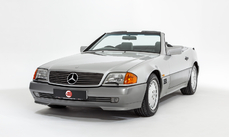
| 5 | Request | request parameters array ( 'make' => 'mercedes-benz', 'model' => '300sl-r129', 'id' => '158375', 'module' => 'home', 'action' => 'view',) |
| 6 | Routing | connect "/sf_cache_partial/:module/:action/:sf_cache_key" |
| 7 | Creole | connect(): DSN: array ( 'compat_assoc_lower' => '****', 'compat_rtrim_string' => '****', 'database' => '****', 'encoding' => '****', 'hostspec' => '****', 'password' => '****', 'persistent' => '****', 'phptype' => '****', 'port' => '****', 'protocol' => '****', 'socket' => '****', 'username' => '****', ), FLAGS: 0 |
| 8 | Creole | prepareStatement(): SET time_zone = '+01:00' |
| 9 | Creole | executeUpdate(): SET time_zone = '+01:00' |
| 10 | Creole | connect(): DSN: array ( 'compat_assoc_lower' => '****', 'compat_rtrim_string' => '****', 'database' => '****', 'encoding' => '****', 'hostspec' => '****', 'password' => '****', 'persistent' => '****', 'phptype' => '****', 'port' => '****', 'protocol' => '****', 'socket' => '****', 'username' => '****', ), FLAGS: 0 |
| 11 | Creole | prepareStatement(): SET time_zone = '+01:00' |
| 12 | Creole | executeUpdate(): SET time_zone = '+01:00' |
| 13 | Creole | connect(): DSN: array ( 'compat_assoc_lower' => '****', 'compat_rtrim_string' => '****', 'database' => '****', 'encoding' => '****', 'hostspec' => '****', 'password' => '****', 'persistent' => '****', 'phptype' => '****', 'port' => '****', 'protocol' => '****', 'socket' => '****', 'username' => '****', ), FLAGS: 0 |
| 14 | Creole | prepareStatement(): SET time_zone = '+01:00' |
| 15 | Creole | executeUpdate(): SET time_zone = '+01:00' |
| 16 | Creole | connect(): DSN: array ( 'compat_assoc_lower' => '****', 'compat_rtrim_string' => '****', 'database' => '****', 'encoding' => '****', 'hostspec' => '****', 'password' => '****', 'persistent' => '****', 'phptype' => '****', 'port' => '****', 'protocol' => '****', 'socket' => '****', 'username' => '****', ), FLAGS: 0 |
| 17 | Creole | prepareStatement(): SET time_zone = '+01:00' |
| 18 | Creole | executeUpdate(): SET time_zone = '+01:00' |
| 19 | Creole | connect(): DSN: array ( 'compat_assoc_lower' => '****', 'compat_rtrim_string' => '****', 'database' => '****', 'encoding' => '****', 'hostspec' => '****', 'password' => '****', 'persistent' => '****', 'phptype' => '****', 'port' => '****', 'protocol' => '****', 'socket' => '****', 'username' => '****', ), FLAGS: 0 |
| 20 | Creole | prepareStatement(): SET time_zone = '+01:00' |
| 21 | Creole | executeUpdate(): SET time_zone = '+01:00' |
| 22 | Controller | dispatch request |
| 23 | Filter | executing filter "sfRenderingFilter" |
| 24 | Filter | executing filter "sfWebDebugFilter" |
| 25 | Filter | executing filter "sfCarViewFilter" |
| 26 | Filter | executing filter "naBreadcrumbFilter" |
| 27 | Filter | executing filter "sfCacheFilter" |
| 28 | Filter | executing filter "sfCommonFilter" |
| 29 | Filter | executing filter "sfFlashFilter" |
| 30 | Filter | executing filter "sfExecutionFilter" |
| 31 | Action | call "homeActions->executeView()" |
| 32 | Creole | prepareStatement(): SELECT car.ID, car.ID_NETTI_USER, car.ID_MAKE, car.ID_MODEL, car.ID_VEHICLE_TYPE, car.MFG_YEAR, car.MILEAGE, car.ENGINE_SIZE, car.ENGINE_MODEL, car.ID_ACC, car.DEALER_IDENTIFIER, car.CURRENCY, car.PRICE_ASK, car.PRICE_STATUS, car.DRIVE_SIDE, car.FIRST_REG, car.STATUS, car.POSTED_BY, car.STAY_UNKNOWN, car.DATE_CREATE, car.DATE_MODIFY, car.LOCATION, car_info.ID, car_info.ID_CAR, car_info.HOOVER_ID, car_info.REG_NO, car_info.SHOW_REG, car_info.ID_CAR_TYPE, car_info.ID_COLOR, car_info.ID_COLOR_TYPE, car_info.AD_CONDITION, car_info.DOCUMENTED_HISTORY, car_info.COMPETITION_HISTORY, car_info.REGISTERED_VEHICLE, car_info.MANUFACTURE_COUNTRY, car_info.DELIVERY_COUNTRY, car_info.GENERAL_DESCRIPTION, car_info.DOCUMENT_DESCRIPTION, car_info.COMPETITION_DESCRIPTION, car_info.TAGS, car_info.YOUTUBE_VID1, car_info.YOUTUBE_VID2, car_info.NOTE, car_info.REMARK, car_info.SHOW_DATE, car.ID AS ID_AD, UNIX_TIMESTAMP(car.DATE_CREATE) AS ENROLL_DATE, UNIX_TIMESTAMP(car.DATE_MODIFY) AS MODIFY_DATE, DATE_FORMAT(car.DATE_MODIFY,'%d.%m.%Y') AS DM, make.MAKE_EN AS MAKE, model.MODEL_EN AS MODEL, make.MAKE_EN AS MAKE_en, model.MODEL_EN AS MODEL_en, vehicle_type.VEHICLE_TYPE_EN AS VEHICLE_TYPE, car_type.CAR_TYPE_EN AS CAR_TYPE, color.COLOR_EN AS COLOR, color_type.COLOR_TYPE_EN AS COLOR_TYPE, car_stat.HIT_AD_INFO AS AD_HIT FROM car LEFT JOIN car_info ON (car.ID=car_info.ID_CAR) LEFT JOIN make ON (car.ID_MAKE=make.ID) LEFT JOIN model ON (car.ID_MODEL=model.ID) LEFT JOIN vehicle_type ON (car.ID_VEHICLE_TYPE=vehicle_type.ID) LEFT JOIN car_type ON (car_info.ID_CAR_TYPE=car_type.ID) LEFT JOIN color ON (car_info.ID_COLOR=color.ID) LEFT JOIN color_type ON (car_info.ID_COLOR_TYPE=color_type.ID) LEFT JOIN car_stat ON (car.ID=car_stat.ID_AD) WHERE car.ID=? AND car.STATUS=? |
| 33 | Creole | executeQuery(): [13.62 ms] SELECT car.ID, car.ID_NETTI_USER, car.ID_MAKE, car.ID_MODEL, car.ID_VEHICLE_TYPE, car.MFG_YEAR, car.MILEAGE, car.ENGINE_SIZE, car.ENGINE_MODEL, car.ID_ACC, car.DEALER_IDENTIFIER, car.CURRENCY, car.PRICE_ASK, car.PRICE_STATUS, car.DRIVE_SIDE, car.FIRST_REG, car.STATUS, car.POSTED_BY, car.STAY_UNKNOWN, car.DATE_CREATE, car.DATE_MODIFY, car.LOCATION, car_info.ID, car_info.ID_CAR, car_info.HOOVER_ID, car_info.REG_NO, car_info.SHOW_REG, car_info.ID_CAR_TYPE, car_info.ID_COLOR, car_info.ID_COLOR_TYPE, car_info.AD_CONDITION, car_info.DOCUMENTED_HISTORY, car_info.COMPETITION_HISTORY, car_info.REGISTERED_VEHICLE, car_info.MANUFACTURE_COUNTRY, car_info.DELIVERY_COUNTRY, car_info.GENERAL_DESCRIPTION, car_info.DOCUMENT_DESCRIPTION, car_info.COMPETITION_DESCRIPTION, car_info.TAGS, car_info.YOUTUBE_VID1, car_info.YOUTUBE_VID2, car_info.NOTE, car_info.REMARK, car_info.SHOW_DATE, car.ID AS ID_AD, UNIX_TIMESTAMP(car.DATE_CREATE) AS ENROLL_DATE, UNIX_TIMESTAMP(car.DATE_MODIFY) AS MODIFY_DATE, DATE_FORMAT(car.DATE_MODIFY,'%d.%m.%Y') AS DM, make.MAKE_EN AS MAKE, model.MODEL_EN AS MODEL, make.MAKE_EN AS MAKE_en, model.MODEL_EN AS MODEL_en, vehicle_type.VEHICLE_TYPE_EN AS VEHICLE_TYPE, car_type.CAR_TYPE_EN AS CAR_TYPE, color.COLOR_EN AS COLOR, color_type.COLOR_TYPE_EN AS COLOR_TYPE, car_stat.HIT_AD_INFO AS AD_HIT FROM car LEFT JOIN car_info ON (car.ID=car_info.ID_CAR) LEFT JOIN make ON (car.ID_MAKE=make.ID) LEFT JOIN model ON (car.ID_MODEL=model.ID) LEFT JOIN vehicle_type ON (car.ID_VEHICLE_TYPE=vehicle_type.ID) LEFT JOIN car_type ON (car_info.ID_CAR_TYPE=car_type.ID) LEFT JOIN color ON (car_info.ID_COLOR=color.ID) LEFT JOIN color_type ON (car_info.ID_COLOR_TYPE=color_type.ID) LEFT JOIN car_stat ON (car.ID=car_stat.ID_AD) WHERE car.ID=158375 AND car.STATUS='F' |
| 34 | Creole | prepareStatement(): SELECT sold_car.ID, sold_car.ID_NETTI_USER, sold_car.ID_MAKE, sold_car.ID_MODEL, sold_car.ID_VEHICLE_TYPE, sold_car.MFG_YEAR, sold_car.MILEAGE, sold_car.ENGINE_SIZE, sold_car.ENGINE_MODEL, sold_car.ID_ACC, sold_car.DEALER_IDENTIFIER, sold_car.PRICE_ASK, sold_car.CURRENCY, sold_car.PRICE_STATUS, sold_car.FIRST_REG, sold_car.STATUS, sold_car.POSTED_BY, sold_car.STAY_UNKNOWN, sold_car.DRIVE_SIDE, sold_car.DATE_CREATE, sold_car.DATE_MODIFY, sold_car.LOCATION, sold_car_info.ID, sold_car_info.ID_CAR, sold_car_info.HOOVER_ID, sold_car_info.REG_NO, sold_car_info.SHOW_REG, sold_car_info.ID_CAR_TYPE, sold_car_info.ID_COLOR, sold_car_info.ID_COLOR_TYPE, sold_car_info.AD_CONDITION, sold_car_info.DOCUMENTED_HISTORY, sold_car_info.COMPETITION_HISTORY, sold_car_info.REGISTERED_VEHICLE, sold_car_info.MANUFACTURE_COUNTRY, sold_car_info.DELIVERY_COUNTRY, sold_car_info.GENERAL_DESCRIPTION, sold_car_info.DOCUMENT_DESCRIPTION, sold_car_info.COMPETITION_DESCRIPTION, sold_car_info.TAGS, sold_car_info.YOUTUBE_VID1, sold_car_info.YOUTUBE_VID2, sold_car_info.NOTE, sold_car_info.REMARK, sold_car_info.SHOW_DATE, sold_car.ID AS ID_AD, DATE_FORMAT(sold_car.DATE_MODIFY,'%d.%m.%Y') AS DM, make.MAKE_EN AS MAKE, model.MODEL_EN AS MODEL, make.MAKE_EN AS MAKE_en, model.MODEL_EN AS MODEL_en, vehicle_type.VEHICLE_TYPE_EN AS VEHICLE_TYPE, car_type.CAR_TYPE_EN AS CAR_TYPE, color.COLOR_EN AS COLOR, color_type.COLOR_TYPE_EN AS COLOR_TYPE FROM sold_car LEFT JOIN sold_car_info ON (sold_car.ID=sold_car_info.ID_CAR) LEFT JOIN make ON (sold_car.ID_MAKE=make.ID) LEFT JOIN model ON (sold_car.ID_MODEL=model.ID) LEFT JOIN vehicle_type ON (sold_car.ID_VEHICLE_TYPE=vehicle_type.ID) LEFT JOIN car_type ON (sold_car_info.ID_CAR_TYPE=car_type.ID) LEFT JOIN color ON (sold_car_info.ID_COLOR=color.ID) LEFT JOIN color_type ON (sold_car_info.ID_COLOR_TYPE=color_type.ID) WHERE sold_car.ID=? |
| 35 | Creole | executeQuery(): [18.32 ms] SELECT sold_car.ID, sold_car.ID_NETTI_USER, sold_car.ID_MAKE, sold_car.ID_MODEL, sold_car.ID_VEHICLE_TYPE, sold_car.MFG_YEAR, sold_car.MILEAGE, sold_car.ENGINE_SIZE, sold_car.ENGINE_MODEL, sold_car.ID_ACC, sold_car.DEALER_IDENTIFIER, sold_car.PRICE_ASK, sold_car.CURRENCY, sold_car.PRICE_STATUS, sold_car.FIRST_REG, sold_car.STATUS, sold_car.POSTED_BY, sold_car.STAY_UNKNOWN, sold_car.DRIVE_SIDE, sold_car.DATE_CREATE, sold_car.DATE_MODIFY, sold_car.LOCATION, sold_car_info.ID, sold_car_info.ID_CAR, sold_car_info.HOOVER_ID, sold_car_info.REG_NO, sold_car_info.SHOW_REG, sold_car_info.ID_CAR_TYPE, sold_car_info.ID_COLOR, sold_car_info.ID_COLOR_TYPE, sold_car_info.AD_CONDITION, sold_car_info.DOCUMENTED_HISTORY, sold_car_info.COMPETITION_HISTORY, sold_car_info.REGISTERED_VEHICLE, sold_car_info.MANUFACTURE_COUNTRY, sold_car_info.DELIVERY_COUNTRY, sold_car_info.GENERAL_DESCRIPTION, sold_car_info.DOCUMENT_DESCRIPTION, sold_car_info.COMPETITION_DESCRIPTION, sold_car_info.TAGS, sold_car_info.YOUTUBE_VID1, sold_car_info.YOUTUBE_VID2, sold_car_info.NOTE, sold_car_info.REMARK, sold_car_info.SHOW_DATE, sold_car.ID AS ID_AD, DATE_FORMAT(sold_car.DATE_MODIFY,'%d.%m.%Y') AS DM, make.MAKE_EN AS MAKE, model.MODEL_EN AS MODEL, make.MAKE_EN AS MAKE_en, model.MODEL_EN AS MODEL_en, vehicle_type.VEHICLE_TYPE_EN AS VEHICLE_TYPE, car_type.CAR_TYPE_EN AS CAR_TYPE, color.COLOR_EN AS COLOR, color_type.COLOR_TYPE_EN AS COLOR_TYPE FROM sold_car LEFT JOIN sold_car_info ON (sold_car.ID=sold_car_info.ID_CAR) LEFT JOIN make ON (sold_car.ID_MAKE=make.ID) LEFT JOIN model ON (sold_car.ID_MODEL=model.ID) LEFT JOIN vehicle_type ON (sold_car.ID_VEHICLE_TYPE=vehicle_type.ID) LEFT JOIN car_type ON (sold_car_info.ID_CAR_TYPE=car_type.ID) LEFT JOIN color ON (sold_car_info.ID_COLOR=color.ID) LEFT JOIN color_type ON (sold_car_info.ID_COLOR_TYPE=color_type.ID) WHERE sold_car.ID=158375 |
| 36 | Creole | prepareStatement(): SELECT netti_user.ID, netti_user.FNAME, netti_user.LNAME, netti_user.ADDRESS, netti_user.CITY, netti_user.EMAIL, netti_user.PHONE, netti_user.FAX, netti_user.MOBILE, netti_user.EMAIL, netti_user.ZIP, netti_user.CONT_TIME, netti_user.DOMICILE, netti_user.ID_COUNTRY, netti_user.CATEGORY, netti_user.LOGINID FROM netti_user WHERE netti_user.ID IN (?) |
| 37 | Creole | executeQuery(): [0.69 ms] SELECT netti_user.ID, netti_user.FNAME, netti_user.LNAME, netti_user.ADDRESS, netti_user.CITY, netti_user.EMAIL, netti_user.PHONE, netti_user.FAX, netti_user.MOBILE, netti_user.EMAIL, netti_user.ZIP, netti_user.CONT_TIME, netti_user.DOMICILE, netti_user.ID_COUNTRY, netti_user.CATEGORY, netti_user.LOGINID FROM netti_user WHERE netti_user.ID IN (430) |
| 38 | Creole | prepareStatement(): SELECT car.ID, car.ID_NETTI_USER, car.ID_MAKE, car.ID_MODEL, car.ID_VEHICLE_TYPE, car.MFG_YEAR, car.MILEAGE, car.ENGINE_SIZE, car.ENGINE_MODEL, car.ID_ACC, car.DEALER_IDENTIFIER, car.CURRENCY, car.PRICE_ASK, car.PRICE_STATUS, car.DRIVE_SIDE, car.FIRST_REG, car.STATUS, car.POSTED_BY, car.STAY_UNKNOWN, car.DATE_CREATE, car.DATE_MODIFY, car.LOCATION, car_info.ID, car_info.ID_CAR, car_info.HOOVER_ID, car_info.REG_NO, car_info.SHOW_REG, car_info.ID_CAR_TYPE, car_info.ID_COLOR, car_info.ID_COLOR_TYPE, car_info.AD_CONDITION, car_info.DOCUMENTED_HISTORY, car_info.COMPETITION_HISTORY, car_info.REGISTERED_VEHICLE, car_info.MANUFACTURE_COUNTRY, car_info.DELIVERY_COUNTRY, car_info.GENERAL_DESCRIPTION, car_info.DOCUMENT_DESCRIPTION, car_info.COMPETITION_DESCRIPTION, car_info.TAGS, car_info.YOUTUBE_VID1, car_info.YOUTUBE_VID2, car_info.NOTE, car_info.REMARK, car_info.SHOW_DATE, DATE_ADD(car.DATE_MODIFY,INTERVAL 3 DAY) AS DM FROM car LEFT JOIN car_info ON (car.ID=car_info.ID_CAR) WHERE car.ID=? |
| 39 | Creole | executeQuery(): [4.53 ms] SELECT car.ID, car.ID_NETTI_USER, car.ID_MAKE, car.ID_MODEL, car.ID_VEHICLE_TYPE, car.MFG_YEAR, car.MILEAGE, car.ENGINE_SIZE, car.ENGINE_MODEL, car.ID_ACC, car.DEALER_IDENTIFIER, car.CURRENCY, car.PRICE_ASK, car.PRICE_STATUS, car.DRIVE_SIDE, car.FIRST_REG, car.STATUS, car.POSTED_BY, car.STAY_UNKNOWN, car.DATE_CREATE, car.DATE_MODIFY, car.LOCATION, car_info.ID, car_info.ID_CAR, car_info.HOOVER_ID, car_info.REG_NO, car_info.SHOW_REG, car_info.ID_CAR_TYPE, car_info.ID_COLOR, car_info.ID_COLOR_TYPE, car_info.AD_CONDITION, car_info.DOCUMENTED_HISTORY, car_info.COMPETITION_HISTORY, car_info.REGISTERED_VEHICLE, car_info.MANUFACTURE_COUNTRY, car_info.DELIVERY_COUNTRY, car_info.GENERAL_DESCRIPTION, car_info.DOCUMENT_DESCRIPTION, car_info.COMPETITION_DESCRIPTION, car_info.TAGS, car_info.YOUTUBE_VID1, car_info.YOUTUBE_VID2, car_info.NOTE, car_info.REMARK, car_info.SHOW_DATE, DATE_ADD(car.DATE_MODIFY,INTERVAL 3 DAY) AS DM FROM car LEFT JOIN car_info ON (car.ID=car_info.ID_CAR) WHERE car.ID=158375 |
| 40 | Creole | prepareStatement(): SELECT COUNT(hoover_check.ID) FROM hoover_check WHERE hoover_check.ID_CAR=? |
| 41 | Creole | executeQuery(): [3.06 ms] SELECT COUNT(hoover_check.ID) FROM hoover_check WHERE hoover_check.ID_CAR=158375 |
| 42 | Creole | prepareStatement(): SELECT COUNT(fa_payment_order.ID) FROM fa_payment_order WHERE fa_payment_order.ID_PRODUCT=? AND fa_payment_order.PAYMENT_STATUS=? AND fa_payment_order.UPSELLS_TAKEN=? |
| 43 | Creole | executeQuery(): [9.31 ms] SELECT COUNT(fa_payment_order.ID) FROM fa_payment_order WHERE fa_payment_order.ID_PRODUCT=158375 AND fa_payment_order.PAYMENT_STATUS='S' AND fa_payment_order.UPSELLS_TAKEN='2' |
| 44 | Creole | prepareStatement(): SELECT package_type.ID, package_type.TITLE_EN, package_type.DESCRIPTION_EN, package_type.TITLE_DE, package_type.DESCRIPTION_DE, package_type.TITLE_SV, package_type.DESCRIPTION_SV, package_type.PRICE FROM package_type WHERE package_type.ID=? |
| 45 | Creole | executeQuery(): [8.92 ms] SELECT package_type.ID, package_type.TITLE_EN, package_type.DESCRIPTION_EN, package_type.TITLE_DE, package_type.DESCRIPTION_DE, package_type.TITLE_SV, package_type.DESCRIPTION_SV, package_type.PRICE FROM package_type WHERE package_type.ID='1' |
| 46 | Creole | prepareStatement(): SELECT sold_carimg.ID, sold_carimg.ID_AD, sold_carimg.PATH, sold_carimg.IMG_HASH, sold_carimg.ORIGINAL, sold_carimg.ORD, sold_carimg.WIDTH, sold_carimg.HEIGHT FROM sold_carimg WHERE sold_carimg.ID_AD IN (158375) ORDER BY sold_carimg.ORD ASC |
| 47 | Creole | executeQuery(): [2.64 ms] SELECT sold_carimg.ID, sold_carimg.ID_AD, sold_carimg.PATH, sold_carimg.IMG_HASH, sold_carimg.ORIGINAL, sold_carimg.ORD, sold_carimg.WIDTH, sold_carimg.HEIGHT FROM sold_carimg WHERE sold_carimg.ID_AD IN (158375) ORDER BY sold_carimg.ORD ASC |
| 48 | Creole | prepareStatement(): SELECT netti_user.ID, netti_user.FNAME, netti_user.LNAME, netti_user.ADDRESS, netti_user.CITY, netti_user.EMAIL, netti_user.PHONE, netti_user.FAX, netti_user.MOBILE, netti_user.EMAIL, netti_user.ZIP, netti_user.CONT_TIME, netti_user.DOMICILE, netti_user.ID_COUNTRY, netti_user.CATEGORY, netti_user.LOGINID FROM netti_user WHERE netti_user.ID IN (?) |
| 49 | Creole | executeQuery(): [2.23 ms] SELECT netti_user.ID, netti_user.FNAME, netti_user.LNAME, netti_user.ADDRESS, netti_user.CITY, netti_user.EMAIL, netti_user.PHONE, netti_user.FAX, netti_user.MOBILE, netti_user.EMAIL, netti_user.ZIP, netti_user.CONT_TIME, netti_user.DOMICILE, netti_user.ID_COUNTRY, netti_user.CATEGORY, netti_user.LOGINID FROM netti_user WHERE netti_user.ID IN (430) |
| 50 | Creole | prepareStatement(): SELECT netti_dealer.ID_DEALER, netti_dealer.ID, netti_dealer.PATH, netti_dealer.COMPANY, netti_dealer.SLOGAN, netti_dealer.URL, netti_dealer.SIMPLE_URL, netti_dealer.HAS_SITE FROM netti_dealer WHERE netti_dealer.ID_DEALER IN (?) |
| 51 | Creole | executeQuery(): [8.07 ms] SELECT netti_dealer.ID_DEALER, netti_dealer.ID, netti_dealer.PATH, netti_dealer.COMPANY, netti_dealer.SLOGAN, netti_dealer.URL, netti_dealer.SIMPLE_URL, netti_dealer.HAS_SITE FROM netti_dealer WHERE netti_dealer.ID_DEALER IN (430) |
| 52 | Creole | prepareStatement(): SELECT dealer.ID_MAKE, dealer.HIT_COUNTER FROM dealer WHERE dealer.ID_DEALER=? |
| 53 | Creole | executeQuery(): [8.50 ms] SELECT dealer.ID_MAKE, dealer.HIT_COUNTER FROM dealer WHERE dealer.ID_DEALER=430 |
| 54 | Creole | prepareStatement(): SELECT netti_dealer.HAS_SITE, netti_dealer.SIMPLE_URL, netti_dealer.SLOGAN FROM netti_dealer WHERE netti_dealer.ID_DEALER=? |
| 55 | Creole | executeQuery(): [9.91 ms] SELECT netti_dealer.HAS_SITE, netti_dealer.SIMPLE_URL, netti_dealer.SLOGAN FROM netti_dealer WHERE netti_dealer.ID_DEALER=430 |
| 56 | Creole | prepareStatement(): SELECT dealer_permission.ID, dealer_permission.ID_DEALER, dealer_permission.WHICH, dealer_permission.DATE_CREATE FROM dealer_permission WHERE dealer_permission.ID_DEALER=? |
| 57 | Creole | executeQuery(): [9.34 ms] SELECT dealer_permission.ID, dealer_permission.ID_DEALER, dealer_permission.WHICH, dealer_permission.DATE_CREATE FROM dealer_permission WHERE dealer_permission.ID_DEALER=430 |
| 58 | Creole | prepareStatement(): SELECT COUNT(dealer_permission.ID) FROM dealer_permission WHERE dealer_permission.ID_DEALER=? AND dealer_permission.WHICH=? |
| 59 | Creole | executeQuery(): [18.93 ms] SELECT COUNT(dealer_permission.ID) FROM dealer_permission WHERE dealer_permission.ID_DEALER=430 AND dealer_permission.WHICH='Q' |
| 60 | Creole | prepareStatement(): SELECT model.ID, model.ID_MAKE, model.MODEL_EN, model.MODEL_DE, model.MODEL_SV, model.DESCRIPTION_EN, model.DESCRIPTION_DE, model.DESCRIPTION_SV, model.COUNTER, model.ORD, model.DATE_CREATE, model.DATE_MODIFY, model.ID_VEHICLE_TYPE, model.ID_DRIVE_TYPE, model.DATE_RANDOM, make.DESCRIPTION_EN AS MAKE_DESC, model.DESCRIPTION_EN AS MODEL_DESC FROM model, make WHERE make.ID=? AND model.ID=? AND make.ID=model.ID_MAKE |
| 61 | Creole | executeQuery(): [8.34 ms] SELECT model.ID, model.ID_MAKE, model.MODEL_EN, model.MODEL_DE, model.MODEL_SV, model.DESCRIPTION_EN, model.DESCRIPTION_DE, model.DESCRIPTION_SV, model.COUNTER, model.ORD, model.DATE_CREATE, model.DATE_MODIFY, model.ID_VEHICLE_TYPE, model.ID_DRIVE_TYPE, model.DATE_RANDOM, make.DESCRIPTION_EN AS MAKE_DESC, model.DESCRIPTION_EN AS MODEL_DESC FROM model, make WHERE make.ID=112 AND model.ID=2786 AND make.ID=model.ID_MAKE |
| 62 | Creole | prepareStatement(): ( SELECT car.ID, car.ID_NETTI_USER, car.ID_MAKE, car.ID_MODEL, car.ID_VEHICLE_TYPE, car.MFG_YEAR, car.MILEAGE, car.ENGINE_SIZE, car.ENGINE_MODEL, car.ID_ACC, car.DEALER_IDENTIFIER, car.CURRENCY, car.PRICE_ASK, car.PRICE_STATUS, car.DRIVE_SIDE, car.FIRST_REG, car.STATUS, car.POSTED_BY, car.STAY_UNKNOWN, car.DATE_CREATE, car.DATE_MODIFY, car.LOCATION, car.ID AS ID_AD, UNIX_TIMESTAMP(car.DATE_CREATE) AS ENROLL_DATE, UNIX_TIMESTAMP(car.DATE_MODIFY) AS MODIFY_DATE, car_info.ID_CAR_TYPE AS ID_CAR_TYPE, car_info.GENERAL_DESCRIPTION AS GENERAL_DESCRIPTION, car_info.DOCUMENT_DESCRIPTION AS DOCUMENT_DESCRIPTION, car_info.COMPETITION_DESCRIPTION AS COMPETITION_DESCRIPTION, car_info.NOTE FROM cd_cars.car LEFT JOIN cd_cars.make ON (car.ID_MAKE=make.ID) LEFT JOIN cd_cars.model ON (car.ID_MODEL=model.ID) LEFT JOIN cd_cars.car_info ON (car.ID=car_info.ID_CAR) WHERE car.status = 'F' AND car.ID != 158375 AND car.ID_MODEL = '2786' ) UNION ( SELECT car.ID, car.ID_NETTI_USER, car.ID_MAKE, car.ID_MODEL, car.ID_VEHICLE_TYPE, car.MFG_YEAR, car.MILEAGE, car.ENGINE_SIZE, car.ENGINE_MODEL, car.ID_ACC, car.DEALER_IDENTIFIER, car.CURRENCY, car.PRICE_ASK, car.PRICE_STATUS, car.DRIVE_SIDE, car.FIRST_REG, car.STATUS, car.POSTED_BY, car.STAY_UNKNOWN, car.DATE_CREATE, car.DATE_MODIFY, car.LOCATION, car.ID AS ID_AD, UNIX_TIMESTAMP(car.DATE_CREATE) AS ENROLL_DATE, UNIX_TIMESTAMP(car.DATE_MODIFY) AS MODIFY_DATE, car_info.ID_CAR_TYPE AS ID_CAR_TYPE, car_info.GENERAL_DESCRIPTION AS GENERAL_DESCRIPTION, car_info.DOCUMENT_DESCRIPTION AS DOCUMENT_DESCRIPTION, car_info.COMPETITION_DESCRIPTION AS COMPETITION_DESCRIPTION, car_info.NOTE FROM cd_cars.sold_car as car LEFT JOIN cd_cars.make ON (car.ID_MAKE=make.ID) LEFT JOIN cd_cars.model ON (car.ID_MODEL=model.ID) LEFT JOIN cd_cars.sold_car_info as car_info ON (car.ID=car_info.ID_CAR) WHERE car.status = 'S' and car.date_modify > DATE_SUB(NOW(), INTERVAL 1 WEEK) AND car.ID != 158375 AND car.ID_MODEL = '2786' ) ORDER BY ID DESC |
| 63 | Creole | prepareStatement(): SELECT COUNT( * ) AS count FROM ( ( SELECT car.id FROM cd_cars.car LEFT JOIN cd_cars.make ON (car.ID_MAKE=make.ID) LEFT JOIN cd_cars.model ON (car.ID_MODEL=model.ID) LEFT JOIN cd_cars.car_info ON (car.ID=car_info.ID_CAR) WHERE car.status = 'F' AND car.ID != 158375 AND car.ID_MODEL = '2786' ) UNION ( SELECT car.id FROM cd_cars.sold_car as car LEFT JOIN cd_cars.make ON (car.ID_MAKE=make.ID) LEFT JOIN cd_cars.model ON (car.ID_MODEL=model.ID) LEFT JOIN cd_cars.sold_car_info as car_info ON (car.ID=car_info.ID_CAR) WHERE car.status = 'S' and car.date_modify > DATE_SUB(NOW(), INTERVAL 1 WEEK) AND car.ID != 158375 AND car.ID_MODEL = '2786' ) ) AS count |
| 64 | Creole | executeQuery(): [21.82 ms] SELECT COUNT( * ) AS count FROM ( ( SELECT car.id FROM cd_cars.car LEFT JOIN cd_cars.make ON (car.ID_MAKE=make.ID) LEFT JOIN cd_cars.model ON (car.ID_MODEL=model.ID) LEFT JOIN cd_cars.car_info ON (car.ID=car_info.ID_CAR) WHERE car.status = 'F' AND car.ID != 158375 AND car.ID_MODEL = '2786' ) UNION ( SELECT car.id FROM cd_cars.sold_car as car LEFT JOIN cd_cars.make ON (car.ID_MAKE=make.ID) LEFT JOIN cd_cars.model ON (car.ID_MODEL=model.ID) LEFT JOIN cd_cars.sold_car_info as car_info ON (car.ID=car_info.ID_CAR) WHERE car.status = 'S' and car.date_modify > DATE_SUB(NOW(), INTERVAL 1 WEEK) AND car.ID != 158375 AND car.ID_MODEL = '2786' ) ) AS count |
| 65 | Creole | applyLimit(): ( SELECT car.ID, car.ID_NETTI_USER, car.ID_MAKE, car.ID_MODEL, car.ID_VEHICLE_TYPE, car.MFG_YEAR, car.MILEAGE, car.ENGINE_SIZE, car.ENGINE_MODEL, car.ID_ACC, car.DEALER_IDENTIFIER, car.CURRENCY, car.PRICE_ASK, car.PRICE_STATUS, car.DRIVE_SIDE, car.FIRST_REG, car.STATUS, car.POSTED_BY, car.STAY_UNKNOWN, car.DATE_CREATE, car.DATE_MODIFY, car.LOCATION, car.ID AS ID_AD, UNIX_TIMESTAMP(car.DATE_CREATE) AS ENROLL_DATE, UNIX_TIMESTAMP(car.DATE_MODIFY) AS MODIFY_DATE, car_info.ID_CAR_TYPE AS ID_CAR_TYPE, car_info.GENERAL_DESCRIPTION AS GENERAL_DESCRIPTION, car_info.DOCUMENT_DESCRIPTION AS DOCUMENT_DESCRIPTION, car_info.COMPETITION_DESCRIPTION AS COMPETITION_DESCRIPTION, car_info.NOTE FROM cd_cars.car LEFT JOIN cd_cars.make ON (car.ID_MAKE=make.ID) LEFT JOIN cd_cars.model ON (car.ID_MODEL=model.ID) LEFT JOIN cd_cars.car_info ON (car.ID=car_info.ID_CAR) WHERE car.status = 'F' AND car.ID != 158375 AND car.ID_MODEL = '2786' ) UNION ( SELECT car.ID, car.ID_NETTI_USER, car.ID_MAKE, car.ID_MODEL, car.ID_VEHICLE_TYPE, car.MFG_YEAR, car.MILEAGE, car.ENGINE_SIZE, car.ENGINE_MODEL, car.ID_ACC, car.DEALER_IDENTIFIER, car.CURRENCY, car.PRICE_ASK, car.PRICE_STATUS, car.DRIVE_SIDE, car.FIRST_REG, car.STATUS, car.POSTED_BY, car.STAY_UNKNOWN, car.DATE_CREATE, car.DATE_MODIFY, car.LOCATION, car.ID AS ID_AD, UNIX_TIMESTAMP(car.DATE_CREATE) AS ENROLL_DATE, UNIX_TIMESTAMP(car.DATE_MODIFY) AS MODIFY_DATE, car_info.ID_CAR_TYPE AS ID_CAR_TYPE, car_info.GENERAL_DESCRIPTION AS GENERAL_DESCRIPTION, car_info.DOCUMENT_DESCRIPTION AS DOCUMENT_DESCRIPTION, car_info.COMPETITION_DESCRIPTION AS COMPETITION_DESCRIPTION, car_info.NOTE FROM cd_cars.sold_car as car LEFT JOIN cd_cars.make ON (car.ID_MAKE=make.ID) LEFT JOIN cd_cars.model ON (car.ID_MODEL=model.ID) LEFT JOIN cd_cars.sold_car_info as car_info ON (car.ID=car_info.ID_CAR) WHERE car.status = 'S' and car.date_modify > DATE_SUB(NOW(), INTERVAL 1 WEEK) AND car.ID != 158375 AND car.ID_MODEL = '2786' ) ORDER BY ID DESC, offset: 0, limit: 5 |
| 66 | Creole | executeQuery(): [4.79 ms] ( SELECT car.ID, car.ID_NETTI_USER, car.ID_MAKE, car.ID_MODEL, car.ID_VEHICLE_TYPE, car.MFG_YEAR, car.MILEAGE, car.ENGINE_SIZE, car.ENGINE_MODEL, car.ID_ACC, car.DEALER_IDENTIFIER, car.CURRENCY, car.PRICE_ASK, car.PRICE_STATUS, car.DRIVE_SIDE, car.FIRST_REG, car.STATUS, car.POSTED_BY, car.STAY_UNKNOWN, car.DATE_CREATE, car.DATE_MODIFY, car.LOCATION, car.ID AS ID_AD, UNIX_TIMESTAMP(car.DATE_CREATE) AS ENROLL_DATE, UNIX_TIMESTAMP(car.DATE_MODIFY) AS MODIFY_DATE, car_info.ID_CAR_TYPE AS ID_CAR_TYPE, car_info.GENERAL_DESCRIPTION AS GENERAL_DESCRIPTION, car_info.DOCUMENT_DESCRIPTION AS DOCUMENT_DESCRIPTION, car_info.COMPETITION_DESCRIPTION AS COMPETITION_DESCRIPTION, car_info.NOTE FROM cd_cars.car LEFT JOIN cd_cars.make ON (car.ID_MAKE=make.ID) LEFT JOIN cd_cars.model ON (car.ID_MODEL=model.ID) LEFT JOIN cd_cars.car_info ON (car.ID=car_info.ID_CAR) WHERE car.status = 'F' AND car.ID != 158375 AND car.ID_MODEL = '2786' ) UNION ( SELECT car.ID, car.ID_NETTI_USER, car.ID_MAKE, car.ID_MODEL, car.ID_VEHICLE_TYPE, car.MFG_YEAR, car.MILEAGE, car.ENGINE_SIZE, car.ENGINE_MODEL, car.ID_ACC, car.DEALER_IDENTIFIER, car.CURRENCY, car.PRICE_ASK, car.PRICE_STATUS, car.DRIVE_SIDE, car.FIRST_REG, car.STATUS, car.POSTED_BY, car.STAY_UNKNOWN, car.DATE_CREATE, car.DATE_MODIFY, car.LOCATION, car.ID AS ID_AD, UNIX_TIMESTAMP(car.DATE_CREATE) AS ENROLL_DATE, UNIX_TIMESTAMP(car.DATE_MODIFY) AS MODIFY_DATE, car_info.ID_CAR_TYPE AS ID_CAR_TYPE, car_info.GENERAL_DESCRIPTION AS GENERAL_DESCRIPTION, car_info.DOCUMENT_DESCRIPTION AS DOCUMENT_DESCRIPTION, car_info.COMPETITION_DESCRIPTION AS COMPETITION_DESCRIPTION, car_info.NOTE FROM cd_cars.sold_car as car LEFT JOIN cd_cars.make ON (car.ID_MAKE=make.ID) LEFT JOIN cd_cars.model ON (car.ID_MODEL=model.ID) LEFT JOIN cd_cars.sold_car_info as car_info ON (car.ID=car_info.ID_CAR) WHERE car.status = 'S' and car.date_modify > DATE_SUB(NOW(), INTERVAL 1 WEEK) AND car.ID != 158375 AND car.ID_MODEL = '2786' ) ORDER BY ID DESC LIMIT 5 |
| 67 | Creole | prepareStatement(): SELECT carimg.ID, carimg.ID_AD, carimg.PATH, carimg.IMG_HASH, carimg.ORIGINAL, carimg.ORD, carimg.WIDTH, carimg.HEIGHT FROM carimg WHERE carimg.ID_AD IN (193643,187518,181277,165631,143119) ORDER BY carimg.ORD ASC |
| 68 | Creole | executeQuery(): [2.74 ms] SELECT carimg.ID, carimg.ID_AD, carimg.PATH, carimg.IMG_HASH, carimg.ORIGINAL, carimg.ORD, carimg.WIDTH, carimg.HEIGHT FROM carimg WHERE carimg.ID_AD IN (193643,187518,181277,165631,143119) ORDER BY carimg.ORD ASC |
| 69 | Creole | prepareStatement(): ( SELECT car.ID, car.ID_NETTI_USER, car.ID_MAKE, car.ID_MODEL, car.ID_VEHICLE_TYPE, car.MFG_YEAR, car.MILEAGE, car.ENGINE_SIZE, car.ENGINE_MODEL, car.ID_ACC, car.DEALER_IDENTIFIER, car.CURRENCY, car.PRICE_ASK, car.PRICE_STATUS, car.DRIVE_SIDE, car.FIRST_REG, car.STATUS, car.POSTED_BY, car.STAY_UNKNOWN, car.DATE_CREATE, car.DATE_MODIFY, car.LOCATION, car.ID AS ID_AD, UNIX_TIMESTAMP(car.DATE_CREATE) AS ENROLL_DATE, UNIX_TIMESTAMP(car.DATE_MODIFY) AS MODIFY_DATE, car_info.ID_CAR_TYPE AS ID_CAR_TYPE, car_info.GENERAL_DESCRIPTION AS GENERAL_DESCRIPTION, car_info.DOCUMENT_DESCRIPTION AS DOCUMENT_DESCRIPTION, car_info.COMPETITION_DESCRIPTION AS COMPETITION_DESCRIPTION, car_info.NOTE FROM cd_cars.car LEFT JOIN cd_cars.make ON (car.ID_MAKE=make.ID) LEFT JOIN cd_cars.model ON (car.ID_MODEL=model.ID) LEFT JOIN cd_cars.car_info ON (car.ID=car_info.ID_CAR) WHERE car.status = 'F' AND car.ID != '158375' AND car.ID_NETTI_USER = '430' ) UNION ( SELECT car.ID, car.ID_NETTI_USER, car.ID_MAKE, car.ID_MODEL, car.ID_VEHICLE_TYPE, car.MFG_YEAR, car.MILEAGE, car.ENGINE_SIZE, car.ENGINE_MODEL, car.ID_ACC, car.DEALER_IDENTIFIER, car.CURRENCY, car.PRICE_ASK, car.PRICE_STATUS, car.DRIVE_SIDE, car.FIRST_REG, car.STATUS, car.POSTED_BY, car.STAY_UNKNOWN, car.DATE_CREATE, car.DATE_MODIFY, car.LOCATION, car.ID AS ID_AD, UNIX_TIMESTAMP(car.DATE_CREATE) AS ENROLL_DATE, UNIX_TIMESTAMP(car.DATE_MODIFY) AS MODIFY_DATE, car_info.ID_CAR_TYPE AS ID_CAR_TYPE, car_info.GENERAL_DESCRIPTION AS GENERAL_DESCRIPTION, car_info.DOCUMENT_DESCRIPTION AS DOCUMENT_DESCRIPTION, car_info.COMPETITION_DESCRIPTION AS COMPETITION_DESCRIPTION, car_info.NOTE FROM cd_cars.sold_car as car LEFT JOIN cd_cars.make ON (car.ID_MAKE=make.ID) LEFT JOIN cd_cars.model ON (car.ID_MODEL=model.ID) LEFT JOIN cd_cars.sold_car_info as car_info ON (car.ID=car_info.ID_CAR) WHERE car.status = 'S' and car.date_modify > DATE_SUB(NOW(), INTERVAL 1 WEEK) AND car.ID != '158375' AND car.ID_NETTI_USER = '430' ) ORDER BY ID DESC |
| 70 | Creole | prepareStatement(): SELECT COUNT( * ) AS count FROM ( ( SELECT car.id FROM cd_cars.car LEFT JOIN cd_cars.make ON (car.ID_MAKE=make.ID) LEFT JOIN cd_cars.model ON (car.ID_MODEL=model.ID) LEFT JOIN cd_cars.car_info ON (car.ID=car_info.ID_CAR) WHERE car.status = 'F' AND car.ID != '158375' AND car.ID_NETTI_USER = '430' ) UNION ( SELECT car.id FROM cd_cars.sold_car as car LEFT JOIN cd_cars.make ON (car.ID_MAKE=make.ID) LEFT JOIN cd_cars.model ON (car.ID_MODEL=model.ID) LEFT JOIN cd_cars.sold_car_info as car_info ON (car.ID=car_info.ID_CAR) WHERE car.status = 'S' and car.date_modify > DATE_SUB(NOW(), INTERVAL 1 WEEK) AND car.ID != '158375' AND car.ID_NETTI_USER = '430' ) ) AS count |
| 71 | Creole | executeQuery(): [14.25 ms] SELECT COUNT( * ) AS count FROM ( ( SELECT car.id FROM cd_cars.car LEFT JOIN cd_cars.make ON (car.ID_MAKE=make.ID) LEFT JOIN cd_cars.model ON (car.ID_MODEL=model.ID) LEFT JOIN cd_cars.car_info ON (car.ID=car_info.ID_CAR) WHERE car.status = 'F' AND car.ID != '158375' AND car.ID_NETTI_USER = '430' ) UNION ( SELECT car.id FROM cd_cars.sold_car as car LEFT JOIN cd_cars.make ON (car.ID_MAKE=make.ID) LEFT JOIN cd_cars.model ON (car.ID_MODEL=model.ID) LEFT JOIN cd_cars.sold_car_info as car_info ON (car.ID=car_info.ID_CAR) WHERE car.status = 'S' and car.date_modify > DATE_SUB(NOW(), INTERVAL 1 WEEK) AND car.ID != '158375' AND car.ID_NETTI_USER = '430' ) ) AS count |
| 72 | Creole | applyLimit(): ( SELECT car.ID, car.ID_NETTI_USER, car.ID_MAKE, car.ID_MODEL, car.ID_VEHICLE_TYPE, car.MFG_YEAR, car.MILEAGE, car.ENGINE_SIZE, car.ENGINE_MODEL, car.ID_ACC, car.DEALER_IDENTIFIER, car.CURRENCY, car.PRICE_ASK, car.PRICE_STATUS, car.DRIVE_SIDE, car.FIRST_REG, car.STATUS, car.POSTED_BY, car.STAY_UNKNOWN, car.DATE_CREATE, car.DATE_MODIFY, car.LOCATION, car.ID AS ID_AD, UNIX_TIMESTAMP(car.DATE_CREATE) AS ENROLL_DATE, UNIX_TIMESTAMP(car.DATE_MODIFY) AS MODIFY_DATE, car_info.ID_CAR_TYPE AS ID_CAR_TYPE, car_info.GENERAL_DESCRIPTION AS GENERAL_DESCRIPTION, car_info.DOCUMENT_DESCRIPTION AS DOCUMENT_DESCRIPTION, car_info.COMPETITION_DESCRIPTION AS COMPETITION_DESCRIPTION, car_info.NOTE FROM cd_cars.car LEFT JOIN cd_cars.make ON (car.ID_MAKE=make.ID) LEFT JOIN cd_cars.model ON (car.ID_MODEL=model.ID) LEFT JOIN cd_cars.car_info ON (car.ID=car_info.ID_CAR) WHERE car.status = 'F' AND car.ID != '158375' AND car.ID_NETTI_USER = '430' ) UNION ( SELECT car.ID, car.ID_NETTI_USER, car.ID_MAKE, car.ID_MODEL, car.ID_VEHICLE_TYPE, car.MFG_YEAR, car.MILEAGE, car.ENGINE_SIZE, car.ENGINE_MODEL, car.ID_ACC, car.DEALER_IDENTIFIER, car.CURRENCY, car.PRICE_ASK, car.PRICE_STATUS, car.DRIVE_SIDE, car.FIRST_REG, car.STATUS, car.POSTED_BY, car.STAY_UNKNOWN, car.DATE_CREATE, car.DATE_MODIFY, car.LOCATION, car.ID AS ID_AD, UNIX_TIMESTAMP(car.DATE_CREATE) AS ENROLL_DATE, UNIX_TIMESTAMP(car.DATE_MODIFY) AS MODIFY_DATE, car_info.ID_CAR_TYPE AS ID_CAR_TYPE, car_info.GENERAL_DESCRIPTION AS GENERAL_DESCRIPTION, car_info.DOCUMENT_DESCRIPTION AS DOCUMENT_DESCRIPTION, car_info.COMPETITION_DESCRIPTION AS COMPETITION_DESCRIPTION, car_info.NOTE FROM cd_cars.sold_car as car LEFT JOIN cd_cars.make ON (car.ID_MAKE=make.ID) LEFT JOIN cd_cars.model ON (car.ID_MODEL=model.ID) LEFT JOIN cd_cars.sold_car_info as car_info ON (car.ID=car_info.ID_CAR) WHERE car.status = 'S' and car.date_modify > DATE_SUB(NOW(), INTERVAL 1 WEEK) AND car.ID != '158375' AND car.ID_NETTI_USER = '430' ) ORDER BY ID DESC, offset: 0, limit: 5 |
| 73 | Creole | executeQuery(): [6.75 ms] ( SELECT car.ID, car.ID_NETTI_USER, car.ID_MAKE, car.ID_MODEL, car.ID_VEHICLE_TYPE, car.MFG_YEAR, car.MILEAGE, car.ENGINE_SIZE, car.ENGINE_MODEL, car.ID_ACC, car.DEALER_IDENTIFIER, car.CURRENCY, car.PRICE_ASK, car.PRICE_STATUS, car.DRIVE_SIDE, car.FIRST_REG, car.STATUS, car.POSTED_BY, car.STAY_UNKNOWN, car.DATE_CREATE, car.DATE_MODIFY, car.LOCATION, car.ID AS ID_AD, UNIX_TIMESTAMP(car.DATE_CREATE) AS ENROLL_DATE, UNIX_TIMESTAMP(car.DATE_MODIFY) AS MODIFY_DATE, car_info.ID_CAR_TYPE AS ID_CAR_TYPE, car_info.GENERAL_DESCRIPTION AS GENERAL_DESCRIPTION, car_info.DOCUMENT_DESCRIPTION AS DOCUMENT_DESCRIPTION, car_info.COMPETITION_DESCRIPTION AS COMPETITION_DESCRIPTION, car_info.NOTE FROM cd_cars.car LEFT JOIN cd_cars.make ON (car.ID_MAKE=make.ID) LEFT JOIN cd_cars.model ON (car.ID_MODEL=model.ID) LEFT JOIN cd_cars.car_info ON (car.ID=car_info.ID_CAR) WHERE car.status = 'F' AND car.ID != '158375' AND car.ID_NETTI_USER = '430' ) UNION ( SELECT car.ID, car.ID_NETTI_USER, car.ID_MAKE, car.ID_MODEL, car.ID_VEHICLE_TYPE, car.MFG_YEAR, car.MILEAGE, car.ENGINE_SIZE, car.ENGINE_MODEL, car.ID_ACC, car.DEALER_IDENTIFIER, car.CURRENCY, car.PRICE_ASK, car.PRICE_STATUS, car.DRIVE_SIDE, car.FIRST_REG, car.STATUS, car.POSTED_BY, car.STAY_UNKNOWN, car.DATE_CREATE, car.DATE_MODIFY, car.LOCATION, car.ID AS ID_AD, UNIX_TIMESTAMP(car.DATE_CREATE) AS ENROLL_DATE, UNIX_TIMESTAMP(car.DATE_MODIFY) AS MODIFY_DATE, car_info.ID_CAR_TYPE AS ID_CAR_TYPE, car_info.GENERAL_DESCRIPTION AS GENERAL_DESCRIPTION, car_info.DOCUMENT_DESCRIPTION AS DOCUMENT_DESCRIPTION, car_info.COMPETITION_DESCRIPTION AS COMPETITION_DESCRIPTION, car_info.NOTE FROM cd_cars.sold_car as car LEFT JOIN cd_cars.make ON (car.ID_MAKE=make.ID) LEFT JOIN cd_cars.model ON (car.ID_MODEL=model.ID) LEFT JOIN cd_cars.sold_car_info as car_info ON (car.ID=car_info.ID_CAR) WHERE car.status = 'S' and car.date_modify > DATE_SUB(NOW(), INTERVAL 1 WEEK) AND car.ID != '158375' AND car.ID_NETTI_USER = '430' ) ORDER BY ID DESC LIMIT 5 |
| 74 | Creole | prepareStatement(): SELECT carimg.ID, carimg.ID_AD, carimg.PATH, carimg.IMG_HASH, carimg.ORIGINAL, carimg.ORD, carimg.WIDTH, carimg.HEIGHT FROM carimg WHERE carimg.ID_AD IN (199910,199854,199805,199743,199691) ORDER BY carimg.ORD ASC |
| 75 | Creole | executeQuery(): [10.23 ms] SELECT carimg.ID, carimg.ID_AD, carimg.PATH, carimg.IMG_HASH, carimg.ORIGINAL, carimg.ORD, carimg.WIDTH, carimg.HEIGHT FROM carimg WHERE carimg.ID_AD IN (199910,199854,199805,199743,199691) ORDER BY carimg.ORD ASC |
| 76 | Creole | prepareStatement(): SELECT car.ID FROM car WHERE car.ID_MAKE=? AND car.ID_MODEL=? AND car.STATUS=? |
| 77 | Creole | executeQuery(): [2.43 ms] SELECT car.ID FROM car WHERE car.ID_MAKE=112 AND car.ID_MODEL=2786 AND car.STATUS='F' |
| 78 | Creole | prepareStatement(): SELECT sold_car.ID FROM sold_car WHERE sold_car.ID_MAKE=? AND sold_car.ID_MODEL=? AND sold_car.STATUS=? |
| 79 | Creole | executeQuery(): [16.83 ms] SELECT sold_car.ID FROM sold_car WHERE sold_car.ID_MAKE=112 AND sold_car.ID_MODEL=2786 AND sold_car.STATUS='S' |
| 80 | Creole | prepareStatement(): SELECT id, id_ad, ROUND(AVG(price)) AS avg_price, DATE_FORMAT(date_create, "%m-%Y") AS cmonth, date_create FROM price_history WHERE date_create >= DATE_SUB(SYSDATE(), INTERVAL 1 YEAR) AND id_ad IN (84039,118345,135984,137160,139582,140084,143119,165631,181277,187518,193643) GROUP BY cmonth ORDER BY date_create |
| 81 | Creole | executeQuery(): [10.14 ms] SELECT id, id_ad, ROUND(AVG(price)) AS avg_price, DATE_FORMAT(date_create, "%m-%Y") AS cmonth, date_create FROM price_history WHERE date_create >= DATE_SUB(SYSDATE(), INTERVAL 1 YEAR) AND id_ad IN (84039,118345,135984,137160,139582,140084,143119,165631,181277,187518,193643) GROUP BY cmonth ORDER BY date_create |
| 82 | Creole | prepareStatement(): SELECT ROUND(AVG(sc.price_ask)) AS avg_price, DATE_FORMAT( scs.date_actual_sold, "%V" ) AS sold_week, DATE_FORMAT(scs.date_actual_sold, "%V-%Y") AS wmonth FROM sold_car sc LEFT JOIN sold_car_stat scs ON (scs.ID_AD = sc.ID) WHERE sc.status = "S" AND sc.price_ask > 0 AND scs.date_actual_sold > DATE_SUB(NOW(), INTERVAL 5 YEAR) AND scs.id_ad IN (28428,28793,29220,29292,32325,32737,33112,33539,33574,34246,36715,39416,42657,43785,46344,49940,50328,50778,51006,52502,59409,59572,62080,72632,75320,77432,85313,85473,86026,86134,86645,88404,90050,91136,101050,102447,103404,106710,107080,107284,110704,113939,116167,116617,116705,116710,119652,121796,122175,122264,124325,126719,127369,131929,132147,132385,132504,135699,137138,140145,143390,144320,145497,149469,151210,151384,151737,152562,153107,154541,154637,154998,156988,157237,158375,159227,159228,160039,160234,160238,165929,170845,172171,172456,175960,185672,189029,189251,192158) GROUP BY sold_week ORDER BY scs.date_actual_sold |
| 83 | Creole | executeQuery(): [8.93 ms] SELECT ROUND(AVG(sc.price_ask)) AS avg_price, DATE_FORMAT( scs.date_actual_sold, "%V" ) AS sold_week, DATE_FORMAT(scs.date_actual_sold, "%V-%Y") AS wmonth FROM sold_car sc LEFT JOIN sold_car_stat scs ON (scs.ID_AD = sc.ID) WHERE sc.status = "S" AND sc.price_ask > 0 AND scs.date_actual_sold > DATE_SUB(NOW(), INTERVAL 5 YEAR) AND scs.id_ad IN (28428,28793,29220,29292,32325,32737,33112,33539,33574,34246,36715,39416,42657,43785,46344,49940,50328,50778,51006,52502,59409,59572,62080,72632,75320,77432,85313,85473,86026,86134,86645,88404,90050,91136,101050,102447,103404,106710,107080,107284,110704,113939,116167,116617,116705,116710,119652,121796,122175,122264,124325,126719,127369,131929,132147,132385,132504,135699,137138,140145,143390,144320,145497,149469,151210,151384,151737,152562,153107,154541,154637,154998,156988,157237,158375,159227,159228,160039,160234,160238,165929,170845,172171,172456,175960,185672,189029,189251,192158) GROUP BY sold_week ORDER BY scs.date_actual_sold |
| 84 | Creole | prepareStatement(): SELECT ROUND(AVG(sc.price_ask)) AS avg_price, DATE_FORMAT( scs.date_actual_sold, "%m-%Y" ) AS sold_month, AVG(DATEDIFF(scs.date_actual_sold, sc.date_create)) AS days FROM sold_car sc LEFT JOIN sold_car_stat scs ON (scs.ID_AD = sc.ID) WHERE sc.status = "S" AND scs.date_actual_sold > DATE_SUB(NOW(), INTERVAL 2 YEAR) AND sc.id IN (28428,28793,29220,29292,32325,32737,33112,33539,33574,34246,36715,39416,42657,43785,46344,49940,50328,50778,51006,52502,59409,59572,62080,72632,75320,77432,85313,85473,86026,86134,86645,88404,90050,91136,101050,102447,103404,106710,107080,107284,110704,113939,116167,116617,116705,116710,119652,121796,122175,122264,124325,126719,127369,131929,132147,132385,132504,135699,137138,140145,143390,144320,145497,149469,151210,151384,151737,152562,153107,154541,154637,154998,156988,157237,158375,159227,159228,160039,160234,160238,165929,170845,172171,172456,175960,185672,189029,189251,192158) GROUP BY sold_month ORDER BY scs.date_actual_sold |
| 85 | Creole | executeQuery(): [10.72 ms] SELECT ROUND(AVG(sc.price_ask)) AS avg_price, DATE_FORMAT( scs.date_actual_sold, "%m-%Y" ) AS sold_month, AVG(DATEDIFF(scs.date_actual_sold, sc.date_create)) AS days FROM sold_car sc LEFT JOIN sold_car_stat scs ON (scs.ID_AD = sc.ID) WHERE sc.status = "S" AND scs.date_actual_sold > DATE_SUB(NOW(), INTERVAL 2 YEAR) AND sc.id IN (28428,28793,29220,29292,32325,32737,33112,33539,33574,34246,36715,39416,42657,43785,46344,49940,50328,50778,51006,52502,59409,59572,62080,72632,75320,77432,85313,85473,86026,86134,86645,88404,90050,91136,101050,102447,103404,106710,107080,107284,110704,113939,116167,116617,116705,116710,119652,121796,122175,122264,124325,126719,127369,131929,132147,132385,132504,135699,137138,140145,143390,144320,145497,149469,151210,151384,151737,152562,153107,154541,154637,154998,156988,157237,158375,159227,159228,160039,160234,160238,165929,170845,172171,172456,175960,185672,189029,189251,192158) GROUP BY sold_month ORDER BY scs.date_actual_sold |
| 86 | Creole | prepareStatement(): SELECT mk.make_en, md.model_en, ROUND(AVG(sc.price_ask)) AS avg_price, DATE_FORMAT( scs.date_actual_sold, "%m-%Y" ) AS sold_month, AVG(DATEDIFF(scs.date_actual_sold, sc.date_create)) AS days, ROUND(ROUND(AVG(sc.price_ask)) / AVG(DATEDIFF(scs.date_actual_sold, sc.date_create))) AS avg_index FROM sold_car sc LEFT JOIN sold_car_stat scs ON (scs.ID_AD = sc.ID) LEFT JOIN make mk ON (sc.id_make = mk.ID) LEFT JOIN model md ON (sc.id_model = md.ID) WHERE sc.status = "S" GROUP BY sold_month ORDER BY avg_index DESC |
| 87 | Creole | executeQuery(): [1939.97 ms] SELECT mk.make_en, md.model_en, ROUND(AVG(sc.price_ask)) AS avg_price, DATE_FORMAT( scs.date_actual_sold, "%m-%Y" ) AS sold_month, AVG(DATEDIFF(scs.date_actual_sold, sc.date_create)) AS days, ROUND(ROUND(AVG(sc.price_ask)) / AVG(DATEDIFF(scs.date_actual_sold, sc.date_create))) AS avg_index FROM sold_car sc LEFT JOIN sold_car_stat scs ON (scs.ID_AD = sc.ID) LEFT JOIN make mk ON (sc.id_make = mk.ID) LEFT JOIN model md ON (sc.id_model = md.ID) WHERE sc.status = "S" GROUP BY sold_month ORDER BY avg_index DESC |
| 88 | Action | change layout to "view_layout" |
| 89 | View | initialize view for "home/view" |
| 90 | View | render "sf_app_dir/modules/home/templates/viewSuccess.php" |
| 91 | View | initialize view for "home/_vif_images" |
| 92 | View | render "sf_app_dir/modules/home/templates/_vif_images.php" |
| 93 | PartialHelper | Generate cache key |
| 94 | View | initialize view for "common_page/_social_buttons" |
| 95 | View | render "sf_root_dir/plugins/faFiareAdsPlugin/modules/common_page/templates/_social_buttons.php" |
| 96 | PartialHelper | Generate cache key |
| 97 | View | initialize view for "home/_vif_info" |
| 98 | View | render "sf_app_dir/modules/home/templates/_vif_info.php" |
| 99 | PartialHelper | Generate cache key |
| 100 | View | initialize view for "common_page/_price_development_graph" |
| 101 | View | render "sf_root_dir/plugins/faFiareAdsPlugin/modules/common_page/templates/_price_development_graph.php" |
| 102 | PartialHelper | Generate cache key |
| 103 | View | initialize view for "common_page/_sell_time_price_graph" |
| 104 | View | render "sf_root_dir/plugins/faFiareAdsPlugin/modules/common_page/templates/_sell_time_price_graph.php" |
| 105 | PartialHelper | Generate cache key |
| 106 | View | initialize view for "common_page/_price_gauge_graph" |
| 107 | View | render "sf_root_dir/plugins/faFiareAdsPlugin/modules/common_page/templates/_price_gauge_graph.php" |
| 108 | PartialHelper | Generate cache key |
| 109 | Creole | prepareStatement(): SELECT car.ID_MAKE, car.ID_MODEL FROM car WHERE car.ID=? |
| 110 | Creole | executeQuery(): [0.64 ms] SELECT car.ID_MAKE, car.ID_MODEL FROM car WHERE car.ID=193643 |
| 111 | Creole | prepareStatement(): SELECT car.ID_MAKE, car.ID_MODEL FROM car WHERE car.ID=? |
| 112 | Creole | executeQuery(): [0.63 ms] SELECT car.ID_MAKE, car.ID_MODEL FROM car WHERE car.ID=187518 |
| 113 | Creole | prepareStatement(): SELECT car.ID_MAKE, car.ID_MODEL FROM car WHERE car.ID=? |
| 114 | Creole | executeQuery(): [0.59 ms] SELECT car.ID_MAKE, car.ID_MODEL FROM car WHERE car.ID=181277 |
| 115 | Creole | prepareStatement(): SELECT car.ID_MAKE, car.ID_MODEL FROM car WHERE car.ID=? |
| 116 | Creole | executeQuery(): [0.61 ms] SELECT car.ID_MAKE, car.ID_MODEL FROM car WHERE car.ID=165631 |
| 117 | Creole | prepareStatement(): SELECT car.ID_MAKE, car.ID_MODEL FROM car WHERE car.ID=? |
| 118 | Creole | executeQuery(): [0.63 ms] SELECT car.ID_MAKE, car.ID_MODEL FROM car WHERE car.ID=143119 |
| 119 | Creole | prepareStatement(): SELECT car.ID_MAKE, car.ID_MODEL FROM car WHERE car.ID=? |
| 120 | Creole | executeQuery(): [0.62 ms] SELECT car.ID_MAKE, car.ID_MODEL FROM car WHERE car.ID=199910 |
| 121 | Creole | prepareStatement(): SELECT car.ID_MAKE, car.ID_MODEL FROM car WHERE car.ID=? |
| 122 | Creole | executeQuery(): [0.64 ms] SELECT car.ID_MAKE, car.ID_MODEL FROM car WHERE car.ID=199854 |
| 123 | Creole | prepareStatement(): SELECT car.ID_MAKE, car.ID_MODEL FROM car WHERE car.ID=? |
| 124 | Creole | executeQuery(): [0.57 ms] SELECT car.ID_MAKE, car.ID_MODEL FROM car WHERE car.ID=199805 |
| 125 | Creole | prepareStatement(): SELECT car.ID_MAKE, car.ID_MODEL FROM car WHERE car.ID=? |
| 126 | Creole | executeQuery(): [0.60 ms] SELECT car.ID_MAKE, car.ID_MODEL FROM car WHERE car.ID=199743 |
| 127 | Creole | prepareStatement(): SELECT car.ID_MAKE, car.ID_MODEL FROM car WHERE car.ID=? |
| 128 | Creole | executeQuery(): [0.58 ms] SELECT car.ID_MAKE, car.ID_MODEL FROM car WHERE car.ID=199691 |
| 129 | View | initialize view for "common_page/_include_vif_js" |
| 130 | View | render "sf_root_dir/plugins/faFiareAdsPlugin/modules/common_page/templates/_include_vif_js.php" |
| 131 | PartialHelper | Generate cache key |
| 132 | View | initialize view for "common_page/_fancybox_javascript" |
| 133 | View | render "sf_root_dir/plugins/faFiareAdsPlugin/modules/common_page/templates/_fancybox_javascript.php" |
| 134 | PartialHelper | Generate cache key |
| 135 | View | decorate content with "sf_app_dir/templates/view_layout.php" |
| 136 | View | render "sf_app_dir/templates/view_layout.php" |
| 137 | View | initialize view for "common_page/_responsive_javascript" |
| 138 | View | render "sf_root_dir/plugins/faFiareAdsPlugin/modules/common_page/templates/_responsive_javascript.php" |
| 139 | PartialHelper | Generate cache key |
| 140 | View | initialize view for "common_page/_google_analytics" |
| 141 | View | render "sf_root_dir/plugins/faFiareAdsPlugin/modules/common_page/templates/_google_analytics.php" |
| 142 | PartialHelper | Generate cache key |
| 143 | View | initialize view for "common_page/_header_links" |
| 144 | View | render "sf_root_dir/plugins/faFiareAdsPlugin/modules/common_page/templates/_header_links.php" |
| 145 | View | initialize view for "common_page/_fancybox_javascript" |
| 146 | View | render "sf_root_dir/plugins/faFiareAdsPlugin/modules/common_page/templates/_fancybox_javascript.php" |
| 147 | PartialHelper | Generate cache key |
| 148 | View | initialize view for "common_page/_cookie_policy" |
| 149 | View | render "sf_root_dir/plugins/faFiareAdsPlugin/modules/common_page/templates/_cookie_policy.php" |
| 150 | PartialHelper | Generate cache key |
| 151 | PartialHelper | Generate cache key |
| 152 | View | initialize view for "common_page/_responsive_top_menu" |
| 153 | View | render "sf_root_dir/plugins/faFiareAdsPlugin/modules/common_page/templates/_responsive_top_menu.php" |
| 154 | PartialHelper | Generate cache key |
| 155 | View | initialize view for "common_page/_top_menu" |
| 156 | View | render "sf_root_dir/plugins/faFiareAdsPlugin/modules/common_page/templates/_top_menu.php" |
| 157 | PartialHelper | Generate cache key |
| 158 | View | initialize view for "common_page/_footer_javascript" |
| 159 | View | render "sf_root_dir/plugins/faFiareAdsPlugin/modules/common_page/templates/_footer_javascript.php" |
| 160 | PartialHelper | Generate cache key |
| 161 | View | initialize view for "common_page/_footer" |
| 162 | View | render "sf_root_dir/plugins/faFiareAdsPlugin/modules/common_page/templates/_footer.php" |
| 163 | PartialHelper | Generate cache key |


 vars & config
 logs & msgs
 42
42 10787.1 KB
 2488 ms


