

Pierce-Arrow model 6-66 1933
General description :
From George Pierce’s first single-cylinder Motorette in 1901 to the final twelve-cylinder chassis built for engineer Karl Wise in 1938, Pierce-Arrow stood proudly for quality, craftsmanship, and luxury. Along with Packard and Peerless, the Buffalo, New York firm produced some of America’s finest luxury motorcars. Despite an impeccable reputation for quality, Pierce-Arrow often struggled with financial instability and a limited dealer network. After a takeover by bankers in the wake of World War I, Pierce-Arrow was slow to respond to buyer’s wishes, and their products soon became stale and dated. Help arrived in 1928 when Pierce-Arrow’s president met with Albert Erskine of Studebaker to negotiate a merger. The partnership allowed Pierce-Arrow to operate independently while taking advantage of Studebaker’s dealer network and injecting much-needed cash required to introduce their long-overdue L-Head eight-cylinder engine. That marvelous engine boosted sales, at least for a short time. In 1931, chief engineer Karl Wise proudly unveiled a pair of V12 engines of 398 and 429 cubic inches, designed to take on Packard and Cadillac in the multi-cylinder race. Unfortunately, the partnership between Studebaker and Pierce-Arrow faltered, as Studebaker fell into receivership in 1933. Pierce was cut loose and once again faced with the struggle of surviving as an independent manufacturer. Despite a valiant attempt to shake their conservative image, with the sensational twelve-cylinder 1933 Silver Arrow, the car’s equally sensational $10,000 price tag Pierce-Arrow meant just five were produced. Despite the ground-breaking design, The Silver Arrow did little to slow Pierce-Arrow’s precipitous slide toward bankruptcy, and the company folded for good in 1938.
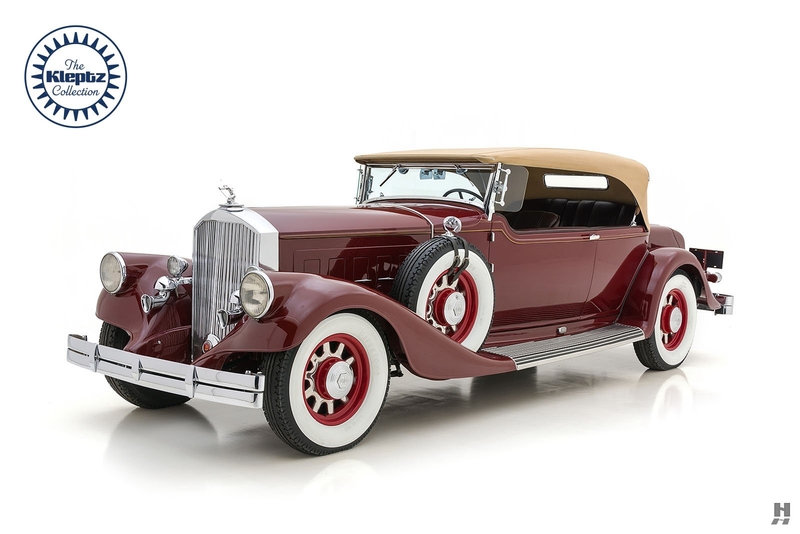
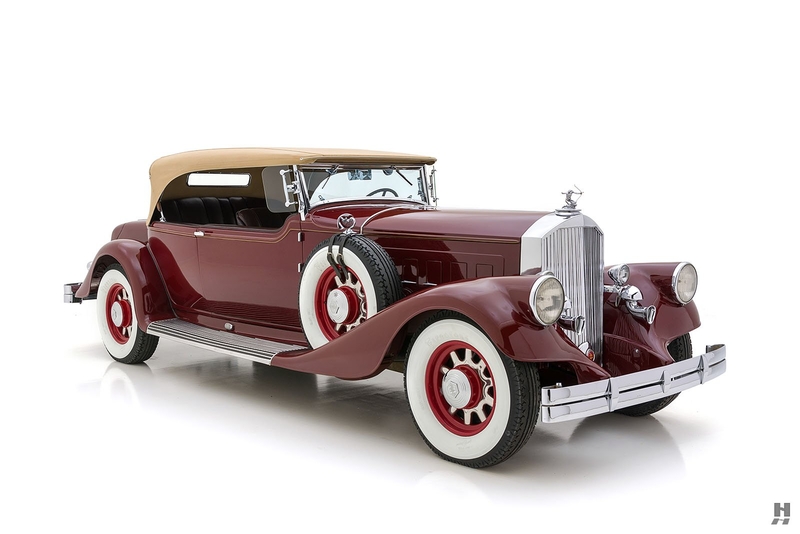
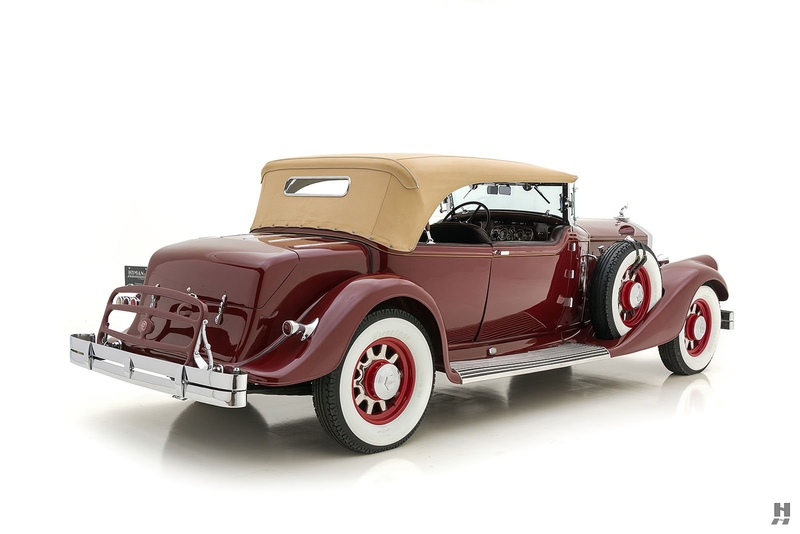
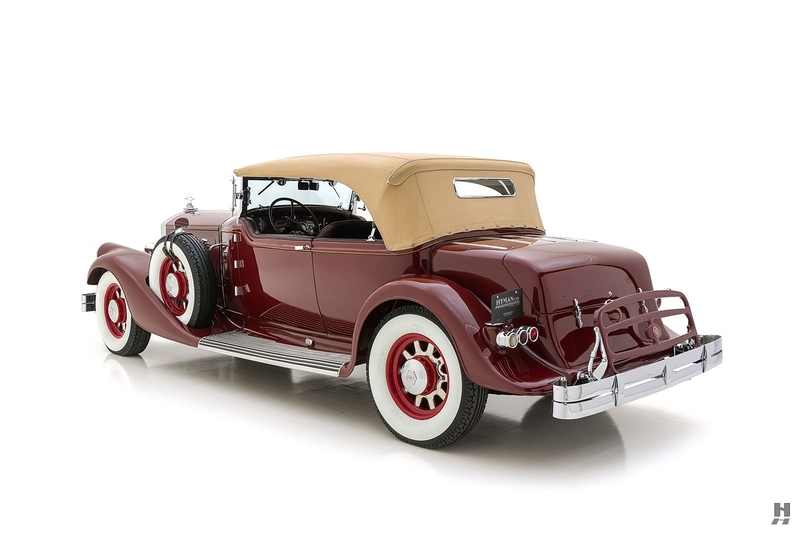
This distinctive and stylish 1933 Pierce-Arrow is one of the highlights of the Kleptz Collection. Known as the Daytona Phaeton, it has a fascinating link to the Silver Arrow show car. Frank believed this is a one-off creation commissioned by the factory as a standby show car should the Silver Arrow fail to meet its completion date. The distinctive body is believed to be by LeBaron, and it rides on a top-line 1247 chassis, with an extraordinary 147-inch wheelbase and a 462 cubic-inch, 175-horsepower V12 engine. The coachwork looks as though it started life as a closed design, with its distinct dipped beltline after the cowl. Distinguishing features include the sizeable integrated trunk and stylish, phaeton-style canvas roof. Photographs of the car from the late 1950s show it wearing this body and in tired but complete condition, lending real credibility to the story.
Before joining the Kleptz collection in the 1980s, the Pierce was in the stewardship of George Slankard, a highly respected Pierce-Arrow expert and founder of Cars & Parts magazine. The restoration was handled by the great Bill Spoerle, who came to the US from Germany to work for the legendary Indy-based car builder Floyd “Pops” Dreyer before going on to a storied career as the head of the Indianapolis Motor Speedway Museum’s restoration department. Bill was one of the most respected restorers in the country, and his work has won countless prestigious awards.
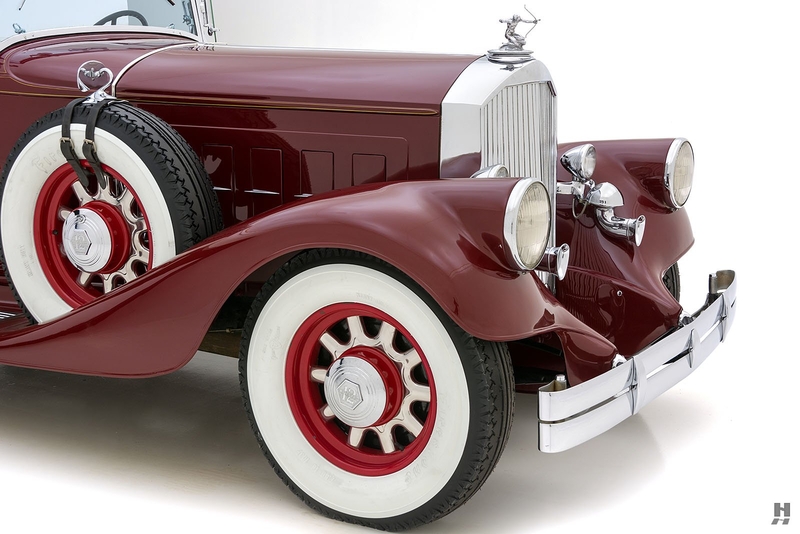
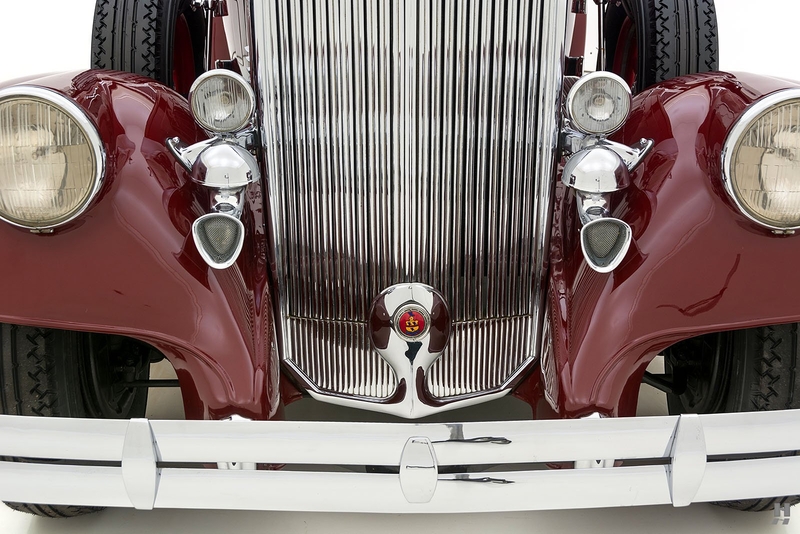
Today, this mighty Pierce-Arrow remains as striking as ever, with a unique blend of elegance and sporting purpose. The restoration has aged gracefully, and the car looks beautiful in its burgundy livery with bright red accents and gold coach lines. Typical of Pierce-Arrows of this period, it rides on steel artillery wheels, which have unique chrome center spokes with red-painted rims and hubs. Fresh Firestone whitewall tires punctuate the show-car looks to great effect. Aside from the chrome trumpet horns, Archer mascot, and twin side-mount spares, the body is relatively unadorned and free of clutter – a signature of many great LeBaron designs.
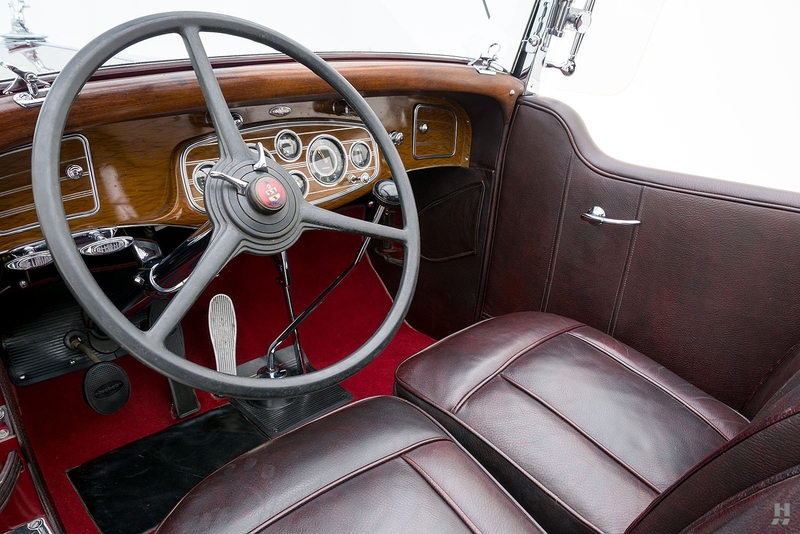
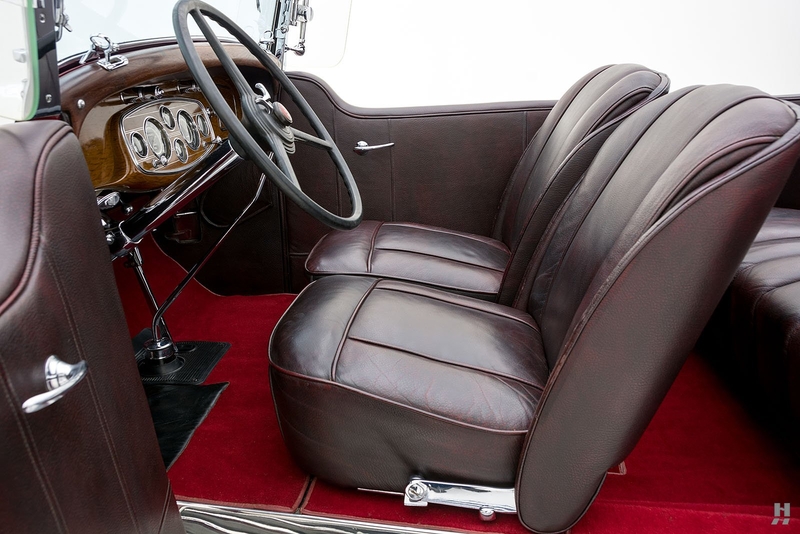
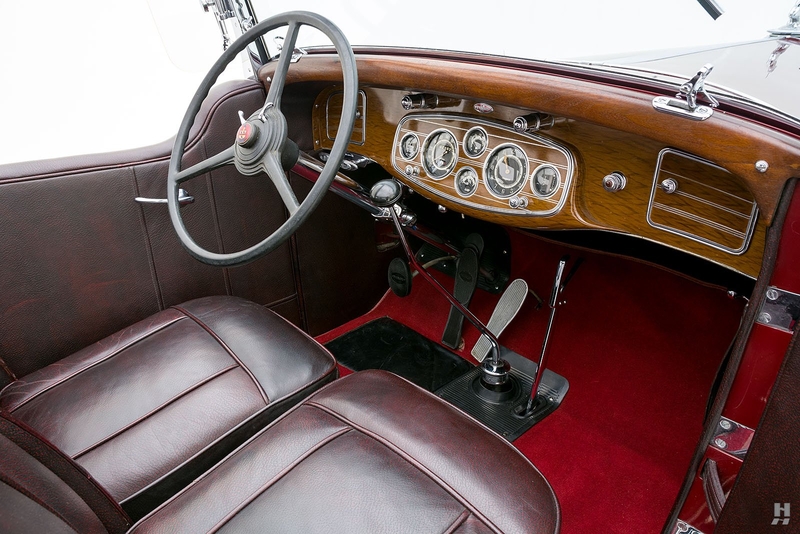
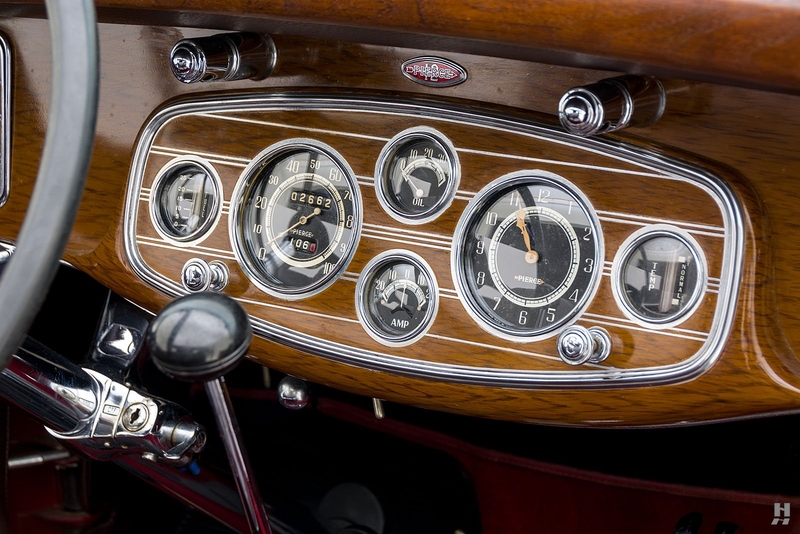
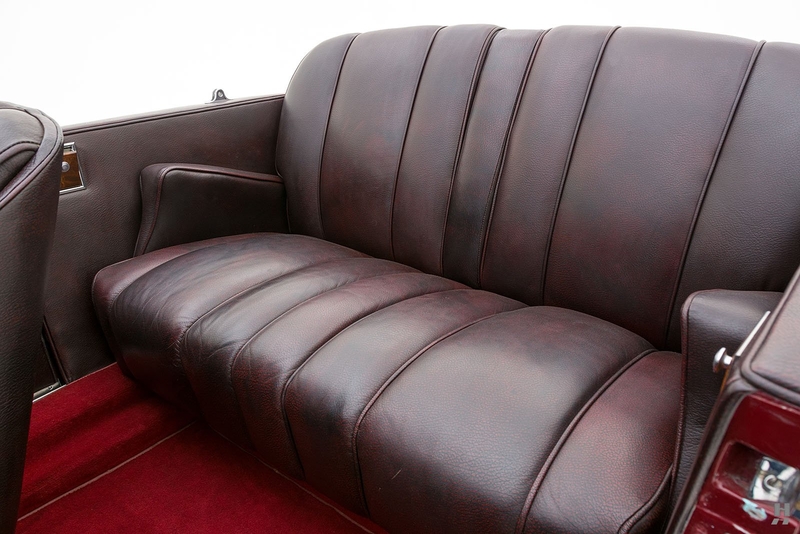
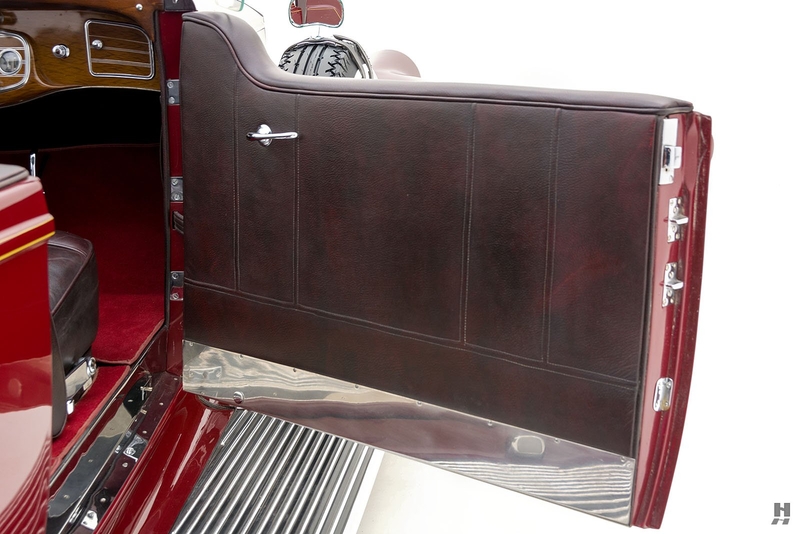
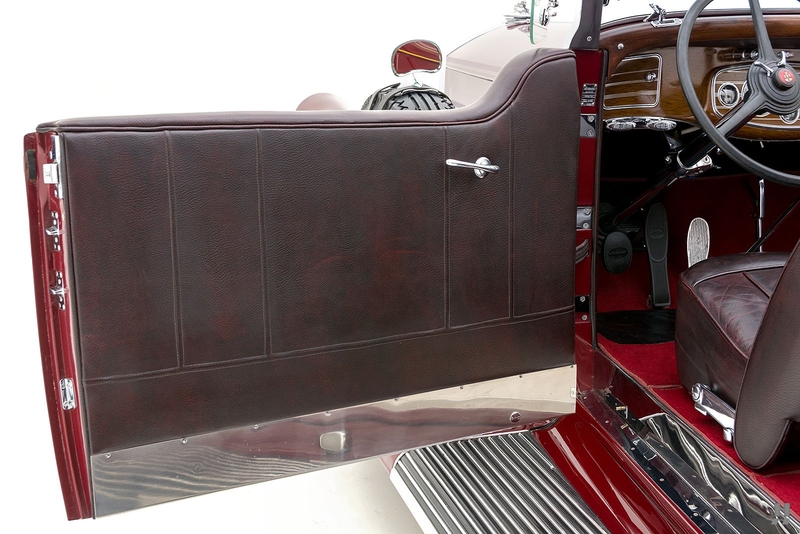
The Pierce-Arrow Daytona Phaeton is a full four-passenger car with generous accommodations in the front and rear. Rich burgundy leather complements the exterior paintwork, while the splash of bright red carpeting mirrors the effect of the wheels. Beautifully restored instruments and woodgrain work remain in excellent order, showing only a slight patina from age.
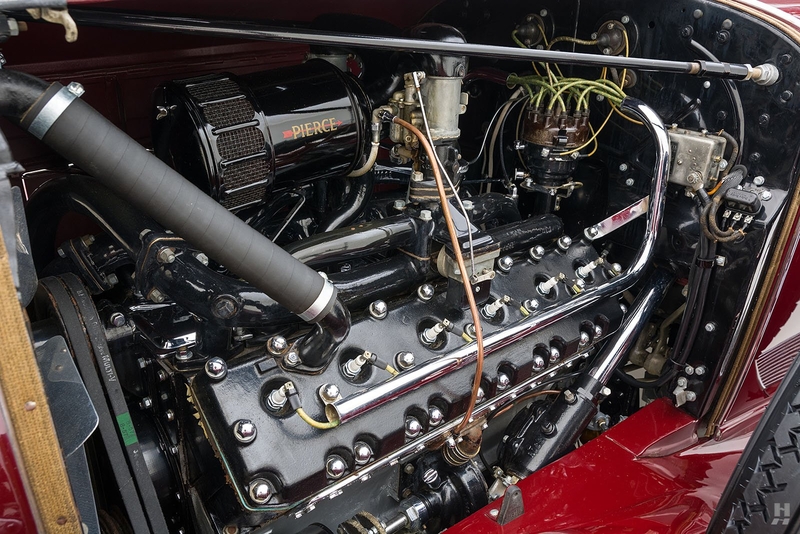
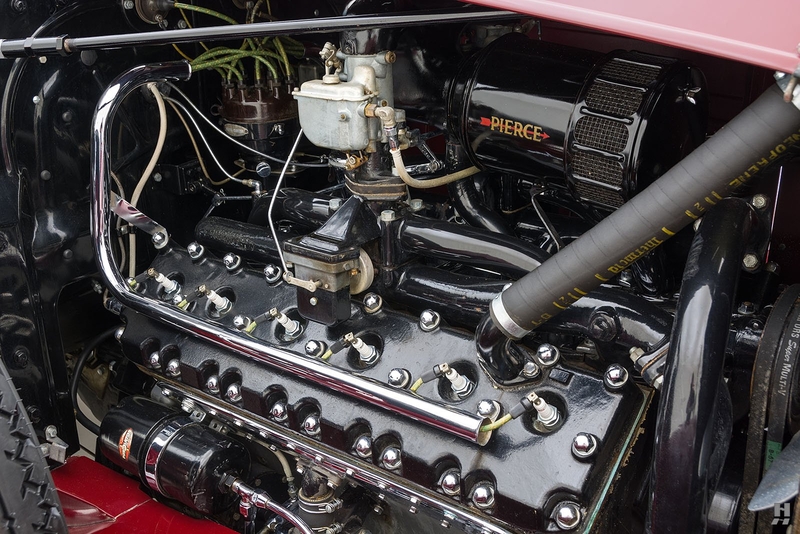
Pierce-Arrow may have been late to the multi-cylinder race in the 1930s, but their superb L-head engine was well worth the wait. The 462 cubic-inch V12 produced 175 horsepower, matching the sensational Cadillac V16’s output and doing so with far less complexity and cost. It is truly one of the finest American engines of its time and should have elevated Pierce-Arrow back to the pinnacle of the luxury market. As a testament to Bill Spoerle’s restoration, the mighty twelve was easily awakened, and following a basic fluid service and adjustment, it runs beautifully, and operates in virtual silence, with turbine-like smoothness.
While taking in this marvelous Pierce-Arrow’s imposing scale and exquisite details, it is easy to see why it held a place of pride in Frank Kleptz’s collection. It takes an exceptional automobile to stand out from this impressive lot, and the Pierce-Arrow Phaeton is undoubtedly a shining star.
Offers welcome and trades considered
https://hymanltd.com/vehicles/6852
1933 Pierce-Arrow model 6-66 is listed sold on ClassicDigest in St. Louis by Mark Hyman for $299500.
Car Facts
Car type : Car Make : Pierce-Arrow Model : model 6-66 Engine size : 0.0 Model Year : 1933 Sub type : Convertible Location : Missouri
Sold
Seller Information
Sold
Other cars listed for sale by this dealer
AC Cobra 289
195000$
Missouri
Other Other
142500$
Missouri
Packard Twelve
139500$
Missouri
Ferrari Testarossa
159500$
Missouri
Ferrari 330 GTS
2275000$
Missouri
About Pierce-Arrow
Pierce-Arrow, once considered among America's most prestigious and luxurious automobile manufacturers, contributed significantly to automotive history with its innovation, craftsmanship, and distinctive design elements. Here's an overview of Pierce-Arrow, its history, notable models, and the renowned headlights:Pierce-Arrow: An American Icon
Early Beginnings and Foundation:
Origins: Established in 1865 as a manufacturer of household goods and later bicycles, Pierce-Arrow transitioned to automobiles in the early 20th century.
Automobile Production: Officially entered the automotive market in 1901, producing high-quality cars that targeted affluent buyers.
Milestones and Remarkable Models:
Pierce-Arrow Model 66 (1910-1918):
Powerhouse: Known for its powerful 12.7-liter six-cylinder engine, showcasing impressive performance for its time.
Luxury and Innovation: Set a standard for luxury, featuring advanced engineering and opulent amenities.
Pierce-Arrow Silver Arrow (1933):
Streamlined Design: Celebrated for its sleek, futuristic design with smooth, aerodynamic lines.
Limited Production: Only five examples were produced, making it one of the most sought-after and valuable cars in automotive history.
Iconic Headlights:
Signature Headlights: Pierce-Arrow's most distinctive feature was its trademark headlights, known as "Pierce-Arrow Headlights" or "Pierce-Arrow Headlamps."
Fender-Mounted Headlights: These headlights were mounted on the fenders rather than the traditional placement on the car's body or grille, contributing to the brand's recognizable design language.
Legacy and Influence:
Luxury and Elegance: Pierce-Arrow earned a reputation for producing some of the finest luxury cars in America, appealing to affluent buyers seeking quality and prestige.
Contributions to Automotive Design: The brand's innovative design elements, such as the fender-mounted headlights, left a lasting impact on automotive styling and aesthetics.
Decline and End:
Challenges and Transition: Economic downturns and changes in consumer preferences led to Pierce-Arrow's decline.
Final Years: The company faced financial struggles during the Great Depression and ceased automobile production in 1938.
Conclusion
Pierce-Arrow's legacy lies in its commitment to producing meticulously crafted, luxurious automobiles that exuded elegance and sophistication. Alongside its opulent vehicles, the brand's distinctive fender-mounted headlights became an enduring symbol of its unique design approach, contributing to its iconic status in automotive history despite its eventual disappearance.