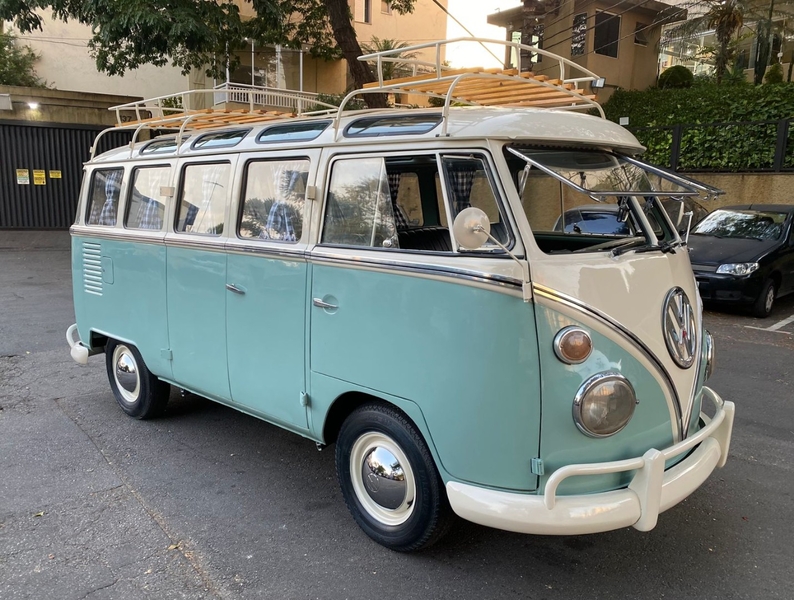


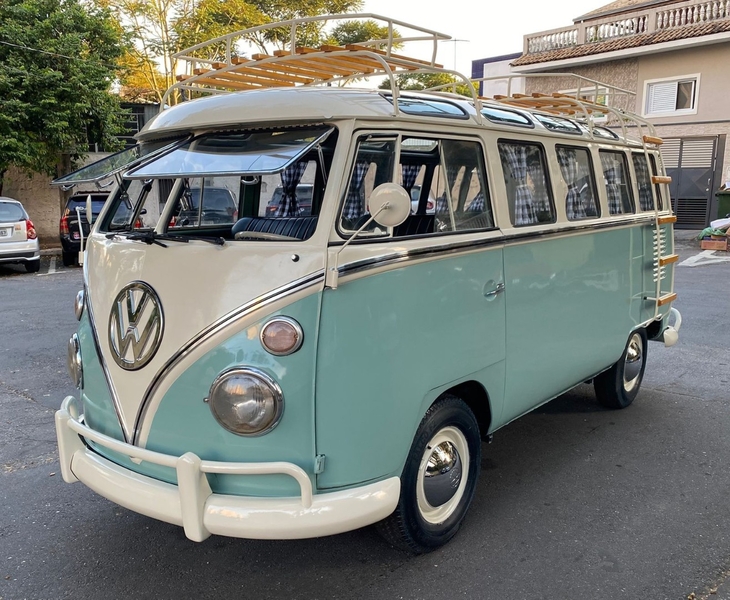
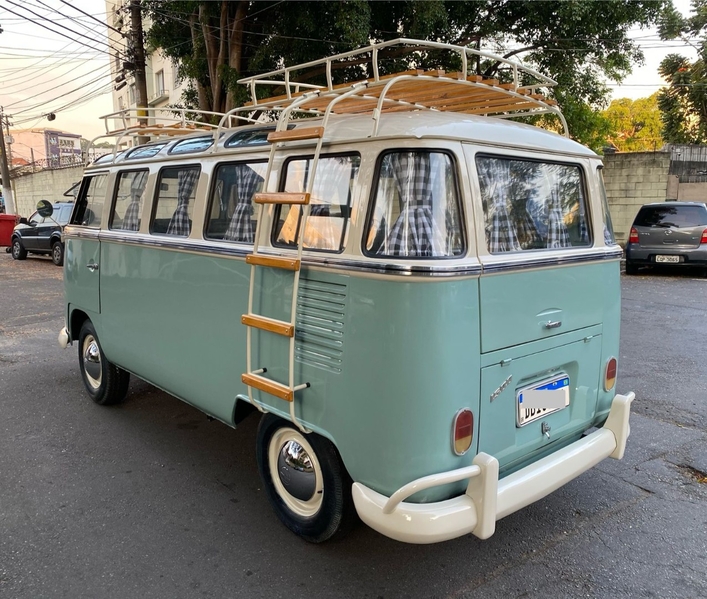
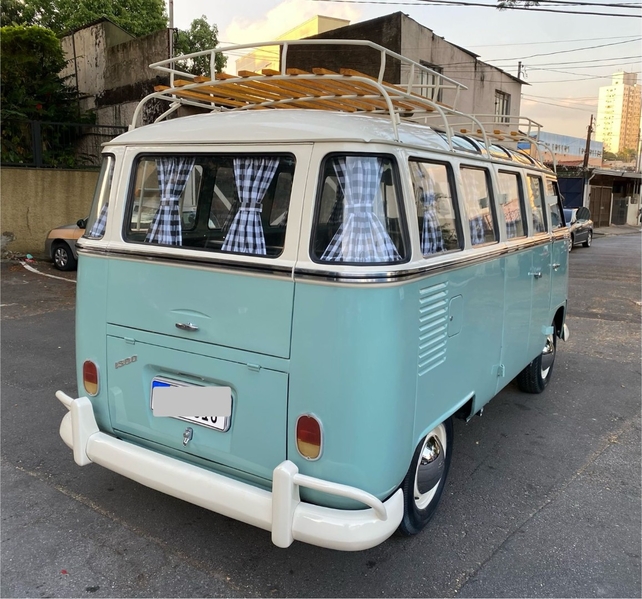
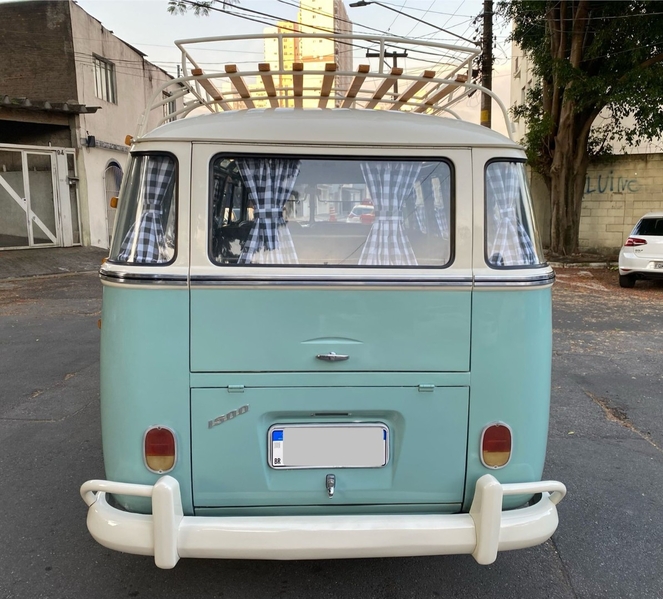
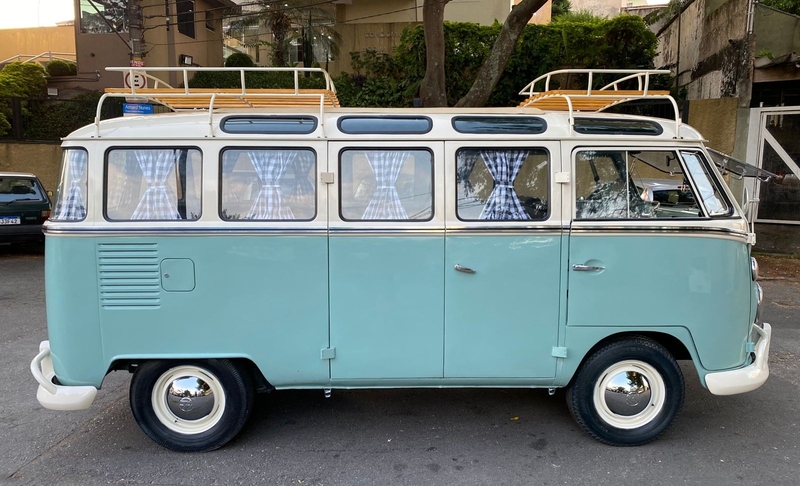
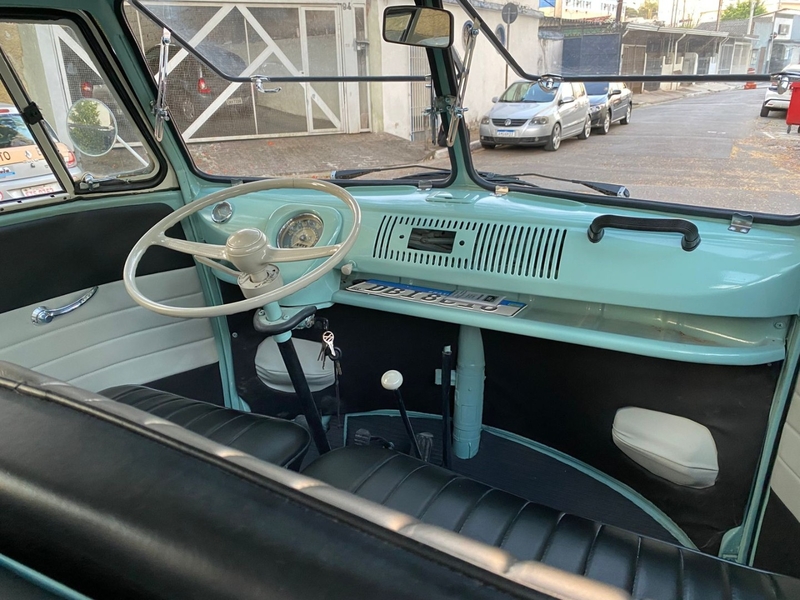
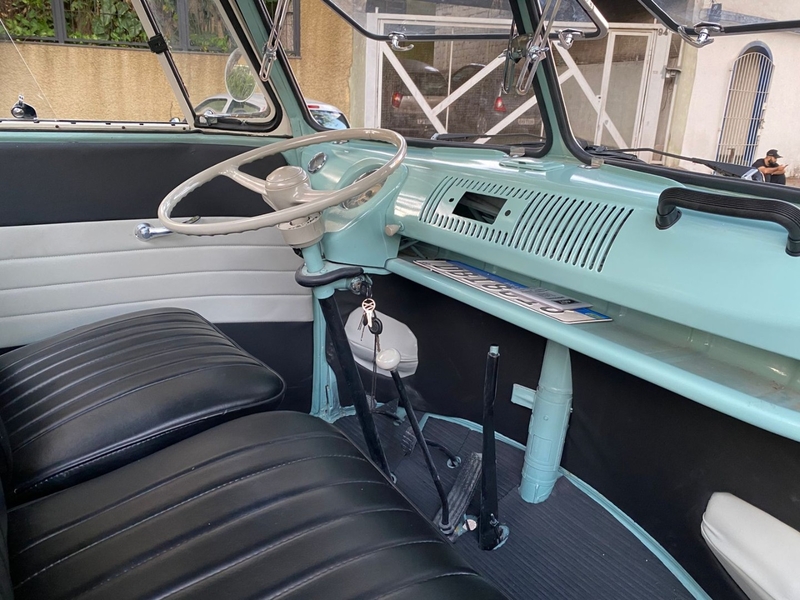
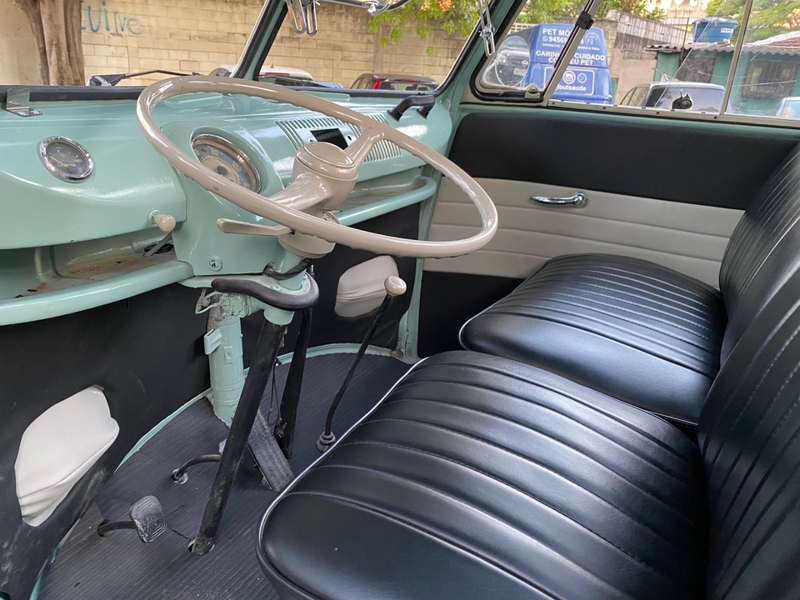
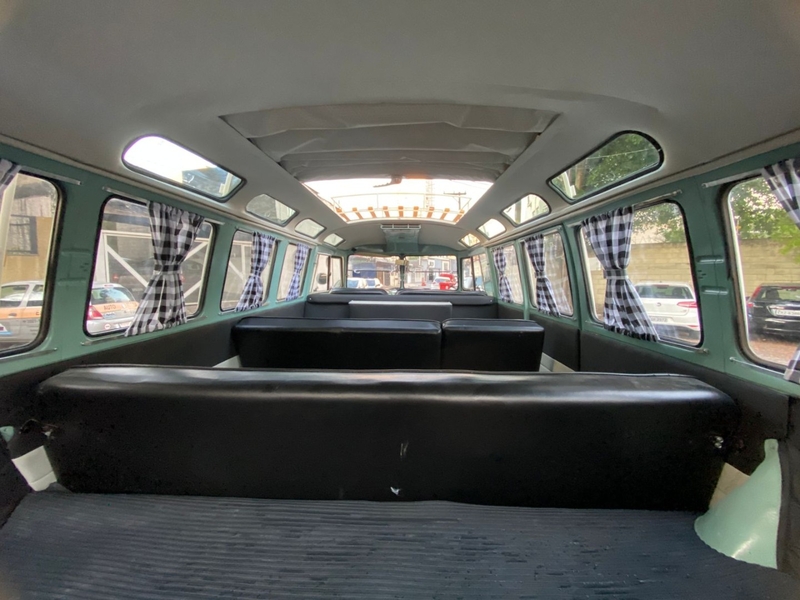
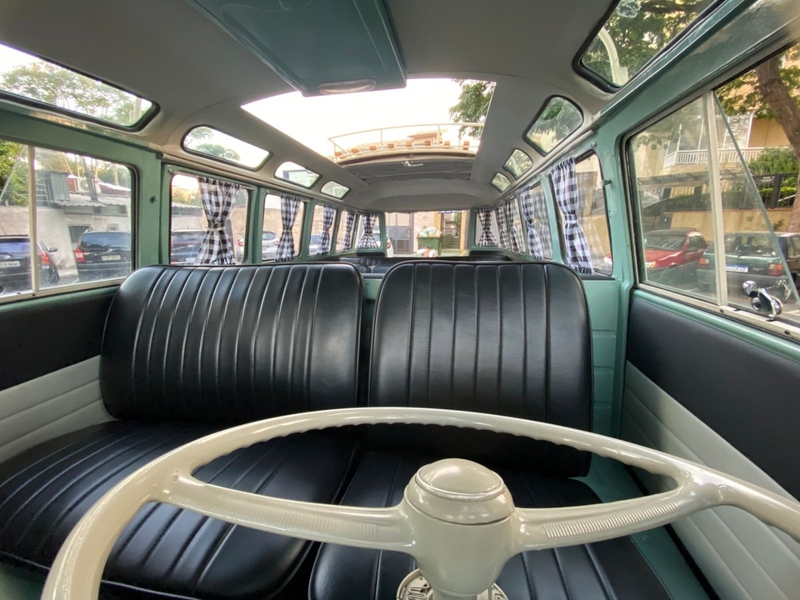
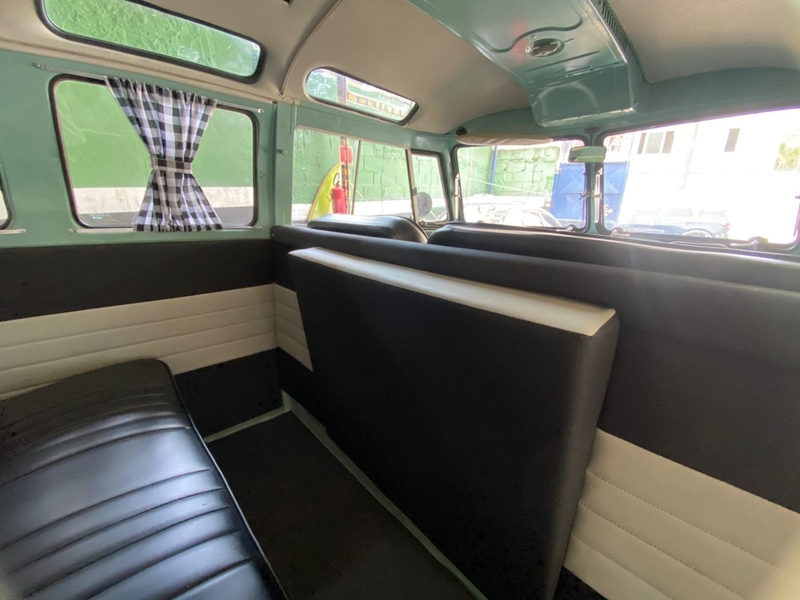
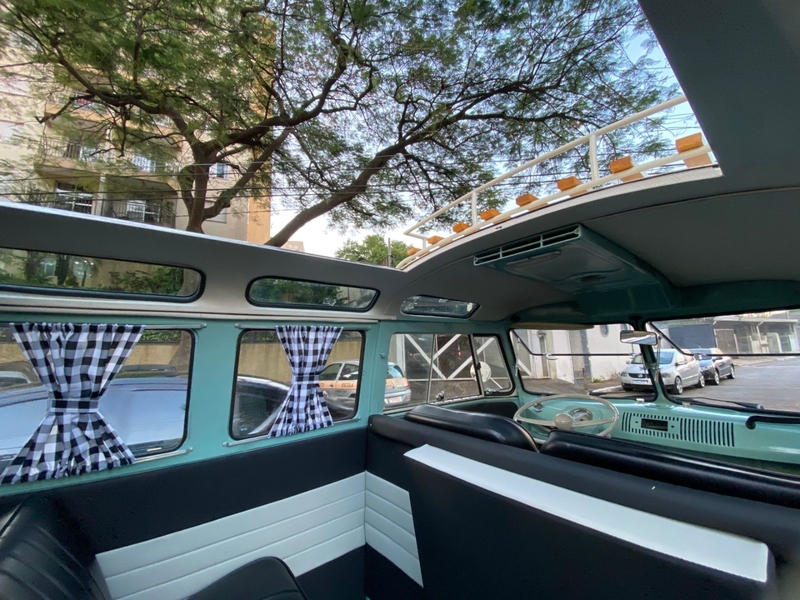
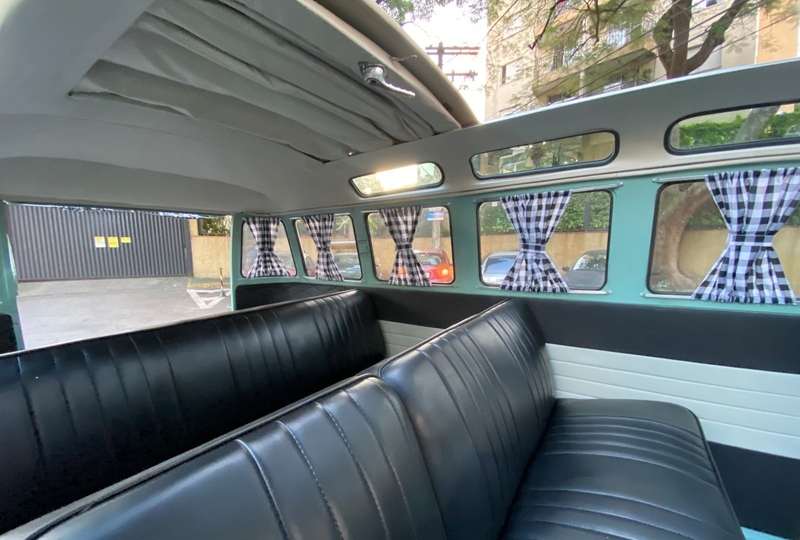
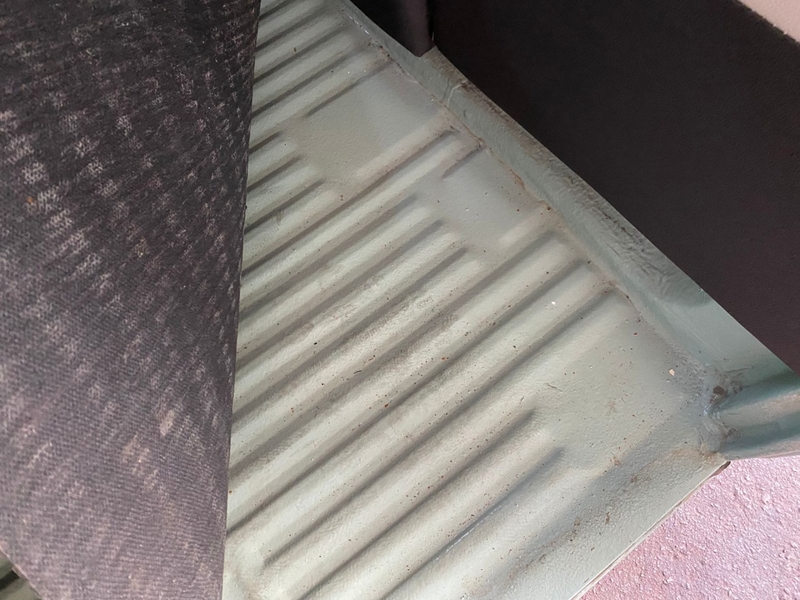
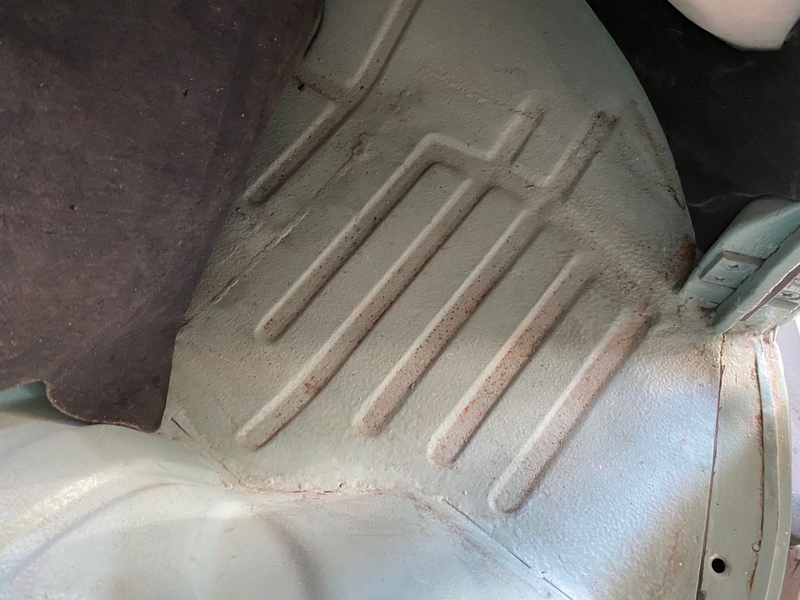
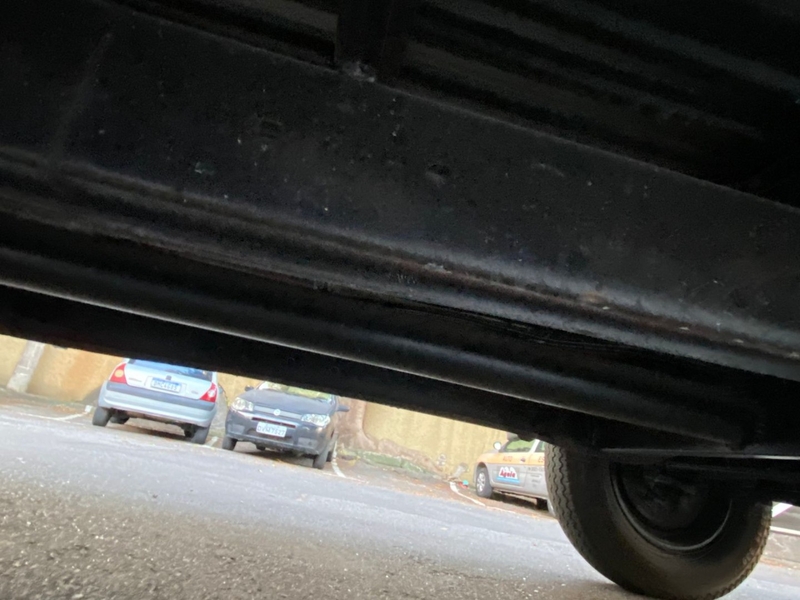
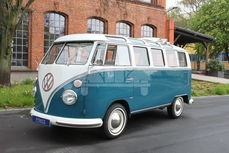
Volkswagen Typ 2 Split Screen 1972
General description :
Location : Brazil
Condition : very good
Stock : #8247
YEAR : 1972
Body Style : VW T1 splitwindow bus Samba replica
Ext Color : green
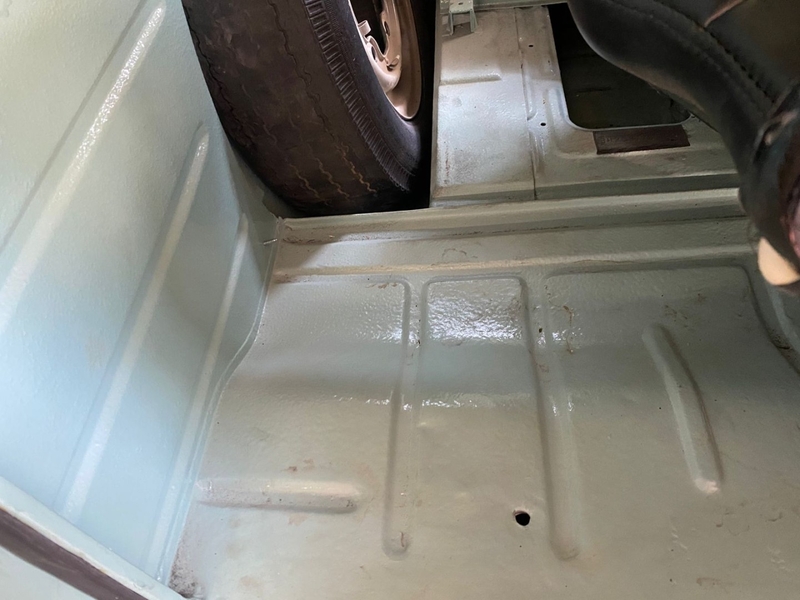
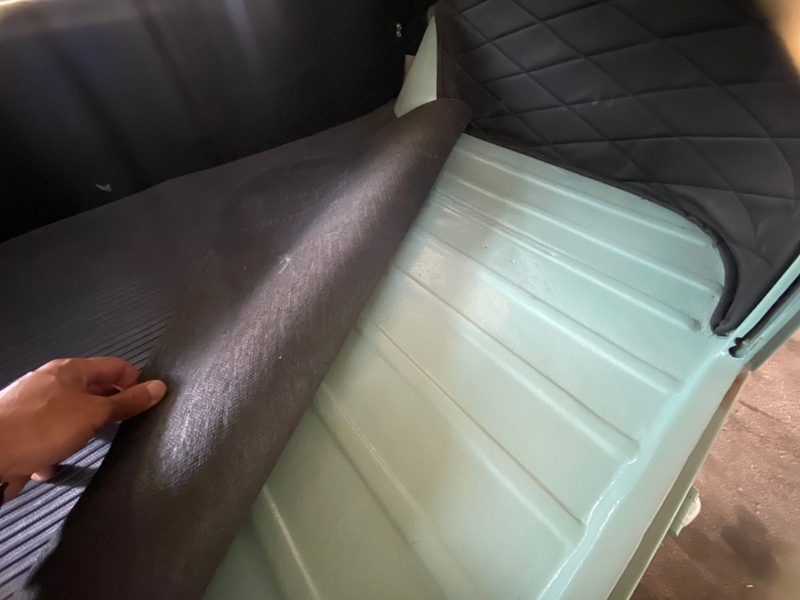
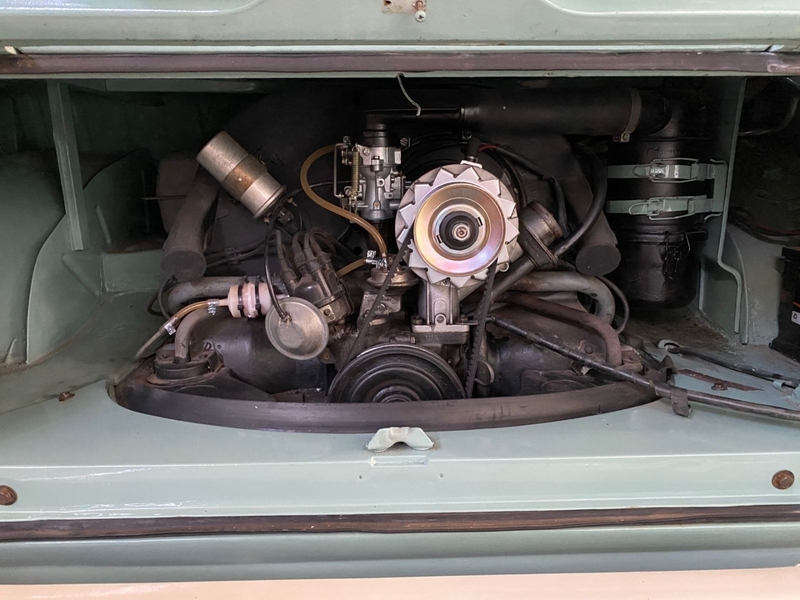
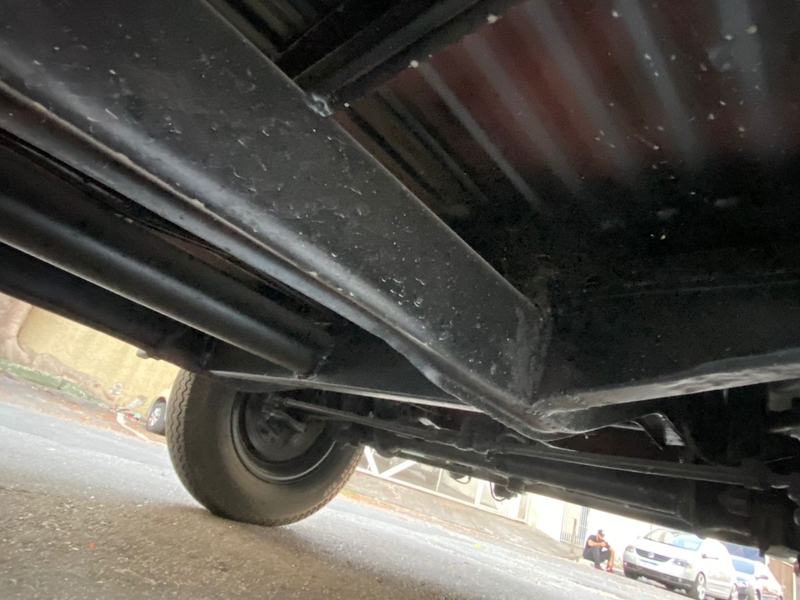
Additional Info : Fully restored, 1500cc engine, metal roof rack
Document description :
Just restored
For export from Brazil to any country
Just add shipping
Since 2013, exporting classic cars from Brazil worldwide
Contact us for more details
Rafael Augusto Zanetti
Director
Brazilian Classic Cars
T/Whats app +55 41 999 72 82 18
sales@brazilianclassiccars.com
www.BrazilianClassicCars.com
facebook.com/brazilianclassiccars
@brazilian.classic.cars
twitter.com/brclassiccars
https://youtube.com/@brazilianclassiccars
https://www.reddit.com/r/BrazilianClassicCars/
1972 Volkswagen Typ 2 Split Screen is listed for sale on ClassicDigest in Curitiba by Rafael Zanetti for €26900.
Car Facts
Car type : Van Make : Volkswagen Model : Typ 2 Split Screen Engine size : 1.6 Model Year : 1972 Sub type : Van Color : Green Color type : Nonmetallic Condition : 1 Location : Brazil Vehicle Registration : Normal
26900 €
Seller Information
BCC COM DE PRODUTOS INDUSTRIAL
Rafael Zanetti
Brazil
5541999728218
Brazil
Rua America Latina 800 Curitiba
Rafael Zanetti
Brazil
5541999728218
Brazil
Rua America Latina 800 Curitiba

People who viewed this Volkswagen Typ 2 Split Screen also viewed similar Volkswagen listed at ClassicDigest
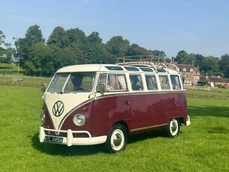
Volkswagen Typ 2 Split Screen
54995 €
United Kingdom
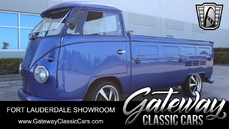
Volkswagen Typ 2 Split Screen
33000 $
Ft. Lauderdale
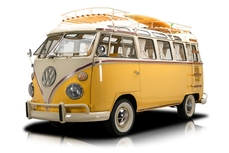
Volkswagen Typ 2 Split Screen
86900 $
Charlotte
Volkswagen Typ 2 Split Screen
125000 €
Orberstr. 4a 60386 Frankfurt am Main, Germany
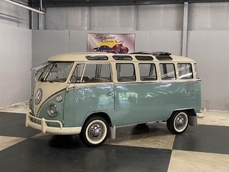
Volkswagen Typ 2 Split Screen
85000 $
Lillington
About Volkswagen
The Volkswagen story is indeed an intriguing tale of innovation, resilience, and post-war revival, marked by various models that have become iconic in automotive history.The People's Car (Volkswagen): Initially envisioned by Adolf Hitler in the 1930s as a "people's car" or "Volkswagen" in German, the idea was to create an affordable and practical vehicle for the German people. This concept led to the development of the Volkswagen Beetle (or the Type 1), designed by Ferdinand Porsche.
Post-War Challenges: After World War II, Volkswagen faced significant challenges. The factory was heavily damaged, and the brand's association with the Nazi regime led to a lack of interest in the car in some regions.
British Intervention - The British Army & Ivan Hirst: The British Army took control of the factory in the immediate post-war period. Major Ivan Hirst, a British Army officer, played a crucial role in reviving Volkswagen. He recognized the potential of the Beetle and advocated for its production, convincing the British military to order several thousand cars. This decision helped jumpstart the brand's revival.
Export Success and the Beetle's Global Appeal: The Beetle gained popularity not only in Germany but also globally, becoming an icon of affordable motoring. Its simple, reliable design and unique appearance made it a favorite among consumers worldwide.
Model Evolution: Over the years, Volkswagen introduced various models alongside the Beetle, each contributing to the brand's growth:
Type 2 (VW Bus or Transporter): Introduced in the 1950s, it became an iconic symbol of the hippie movement in the 1960s, loved for its spaciousness and versatility.
Golf (Rabbit in the U.S.): Launched in the mid-1970s, the Golf (or Rabbit in the U.S.) marked a shift towards front-wheel-drive, modern design, and hatchback practicality, becoming a cornerstone of the brand's success.
Passat, Jetta, and Other Models: Volkswagen expanded its lineup with models like the Passat and Jetta, catering to different market segments.
Challenges and Innovations: Despite success, Volkswagen faced challenges, including quality issues in the 1970s. However, the brand continued to innovate and develop new models and technologies.
Rise of the GTI and Global Expansion: The 1980s saw the rise of the iconic Golf GTI, a high-performance version that sparked the hot hatch trend. Volkswagen also expanded its global presence during this period.
The British intervention in reviving Volkswagen after World War II played a pivotal role in the brand's resurgence. While there might have been some tensions or competition among automotive companies in the 1950s and 1960s due to Volkswagen's post-war success, the brand's ability to produce innovative and popular models solidified its place in automotive history.