

Zastava 750 SE * Deutsche Papiere 1980
General description :
Zastava 750 SE
Der schön restaurierte Oldtimer ist ein Zastava 750 aus dem Jahre 1980
Er verfügt über deutsche Papiere und einem H-Kennzeichen
Hinzu kommt eine neue Innenausstattung
Das Fahrzeug stammt aus 2. Hand
https://home.mobile.de/CAR-TECH-KNOWLEDGE#des_256065904
1980 Zastava 750 SE * Deutsche Papiere is listed sold on ClassicDigest in Am Lenzenfleck 1DE-85737 Ismaning by Auto Dealer for €6900.
Car Facts
Car type : Car Make : Zastava Model : 750 Model Version : SE * Deutsche Papiere Engine size : 0.0 Model Year : 1980 Location : Am Lenzenfleck 1DE-85737 Ismaning
Sold
Seller Information
Sold
People who viewed this Zastava 750 also viewed similar Zastava listed at ClassicDigest
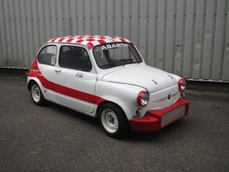
Zastava 750
9500 €
Ettensestraat 19NL-7061 AA Terborg
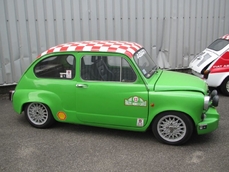
Zastava 750
9500 €
Ettensestraat 19NL-7061 AA Terborg
Other cars listed for sale by this dealer
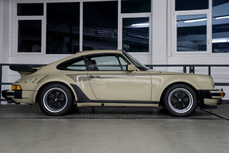
Porsche 911
99500€
Am Lenzenfleck 1DE-85737 Ismaning
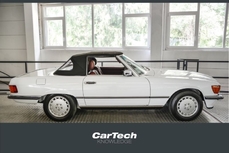
Mercedes-Benz 300SL w107
84000€
Am Lenzenfleck 1DE-85737 Ismaning
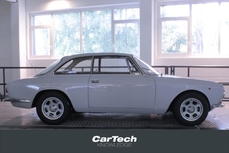
Alfa Romeo 1600 GT junior
39000€
Am Lenzenfleck 1DE-85737 Ismaning
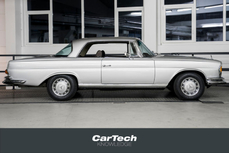
Mercedes-Benz 280SE Coupé w111
139900€
Am Lenzenfleck 1DE-85737 Ismaning
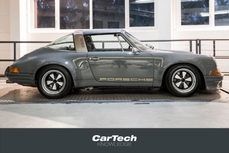
Porsche 911 / 964
135000€
Am Lenzenfleck 1DE-85737 Ismaning
About Zastava
Tito's revengeZastava Automobiles was a Serbian automotive manufacturer that had a long and complex history, primarily known for its association with Fiat. The company originally started in 1853 as a firearms manufacturer and expanded into automobile production in the mid-20th century. Zastava was Yugoslavia's primary car manufacturer.
Partnership with Fiat:
Fiat License: Zastava's most significant period was marked by its partnership with Fiat. The company acquired licenses from Fiat to produce vehicles based on Fiat models.
Fiat Models Production: Zastava produced a range of vehicles under Fiat licenses, including the Zastava 750, a version of the Fiat 600, which became one of their most iconic models.
Quality and Comparison with Fiat:
Quality Concerns: Zastava's cars, though based on Fiat designs, were often considered to have inferior build quality compared to the original Italian Fiats. Quality control issues, materials, and manufacturing processes sometimes led to concerns regarding reliability and overall build quality.
Economic Factors: Zastava faced challenges due to economic conditions, lack of modernization, and constraints in production methods, which often impacted the quality of the vehicles they manufactured.
Evolution and Changes:
Political Changes: Zastava, like many industries in the region, faced significant challenges due to political instability, economic sanctions, and the breakup of Yugoslavia in the 1990s.
End of Production: The company continued operations for some time after the Yugoslav Wars but ceased automobile production in the early 21st century.
Legacy:
Cultural Impact: Despite quality concerns, Zastava cars had a significant impact in Yugoslavia and Eastern Europe. Models like the Zastava 750, based on the Fiat 600, were popular due to affordability and practicality.
Historical Significance: Zastava's history, though complex, is an integral part of the automotive industry in the former Yugoslavia and stands as a reminder of the region's industrial heritage.
In terms of quality compared to original Italian Fiats, Zastava cars were generally considered to be of lower quality, often due to differences in manufacturing standards, materials, and quality control processes. While they were based on Fiat designs, the execution and production methods sometimes led to perceived disparities in overall build quality and reliability.