

Mitsubishi Lancer Evolution 2000
Allgemeine Beschreibung :
Model History
The Mitsubishi Lancer Evolution was a high performance sports car manufactured by Mitsubishi Motors and based on the standard Lancer. There have been ten official versions to date, and the designation of each model is most commonly a Roman numeral. All use two-litre, turbocharged engines and all-wheel drive systems.
The Evolution was originally intended only for Japanese markets, but demand on the "grey import" market led the Evolution series to be offered through Ralliart dealer networks in the United Kingdom and in various European markets from around 1998. Japanese-spec cars were limited by a gentlemen's agreement to advertise no more than 276hp, a mark already reached by Evolution IV. Therefore, each subsequent version has unofficially evolved above the advertised power figures, with the Japanese-spec Evolution IX reaching an alleged output of around 317hp.
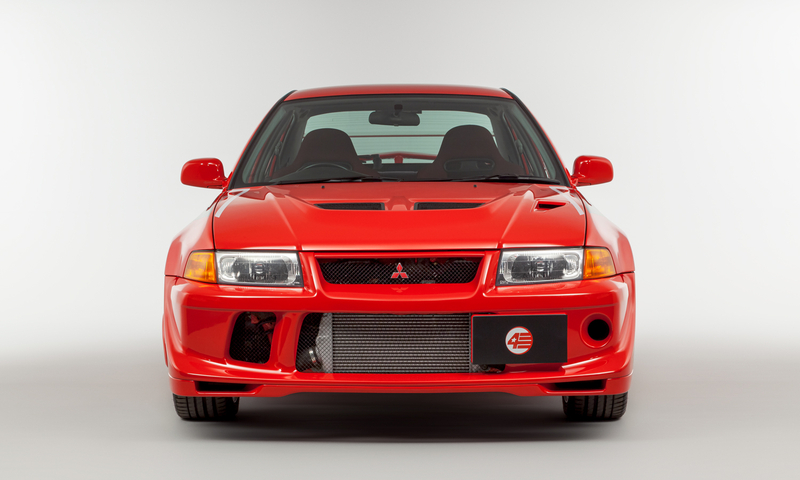
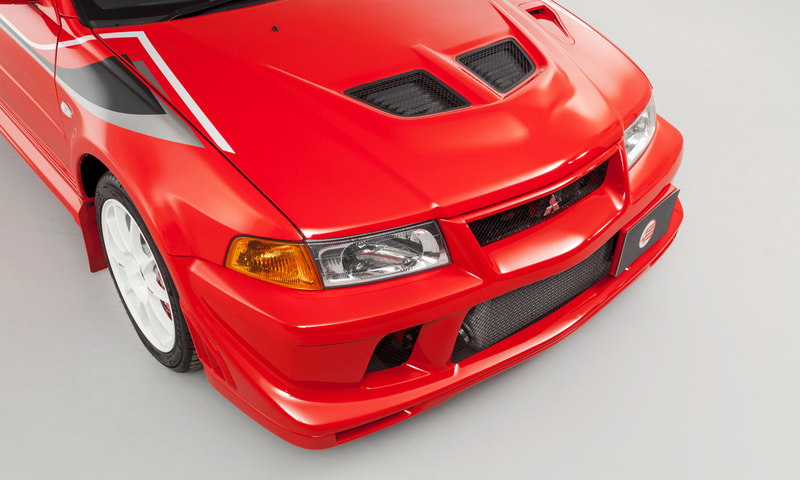
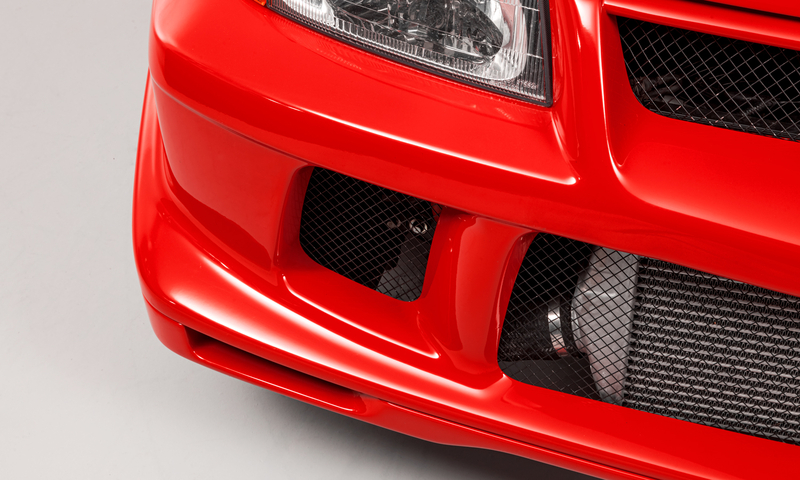
The Evolution VI was produced from January 1999 until March 2001. The improvements over its predecessor mainly focused on cooling and engine durability. It received a larger intercooler, larger oil cooler, and new pistons. The Evolution VI received new bodywork yet again, with the most easily noticeable change being within the front bumper where the huge fog lights were reduced in size and moved to the corners for better airflow.
Great rally success was achieved in the WRC Rallies from 1996-1999 thanks to the legendry Finn Tommi Makinen for clinching the drivers titles in this period and help from team mate Richard Burns for clinching the constructors championship for the first, and thus far only time in 1998.
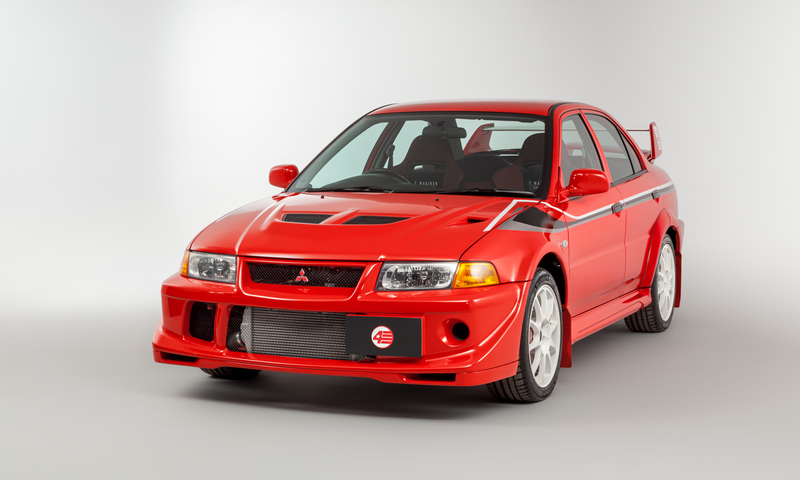
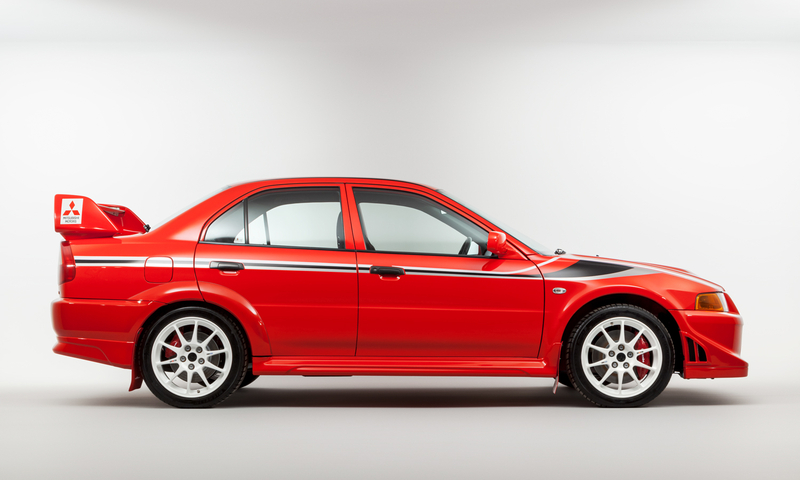
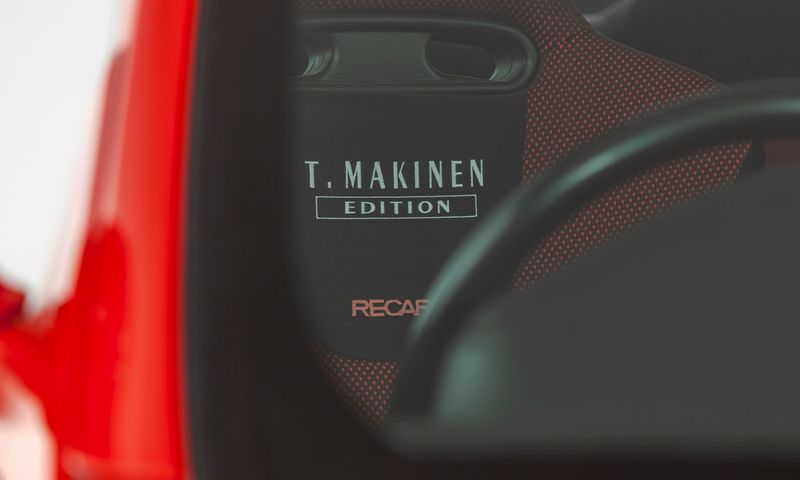
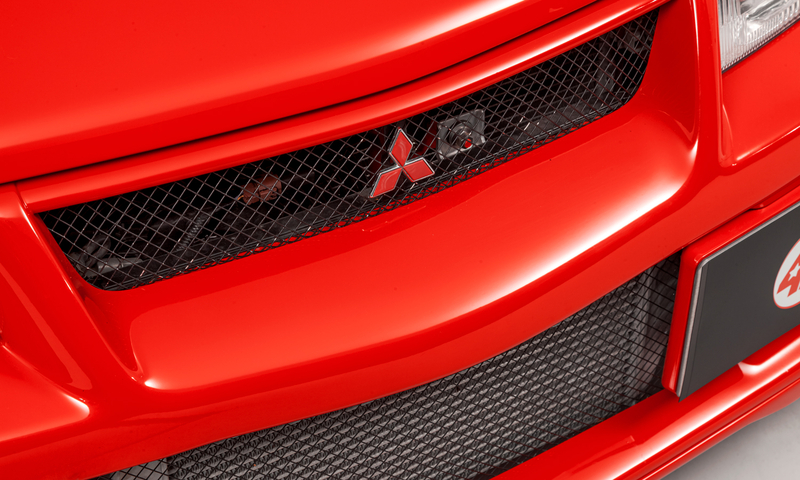
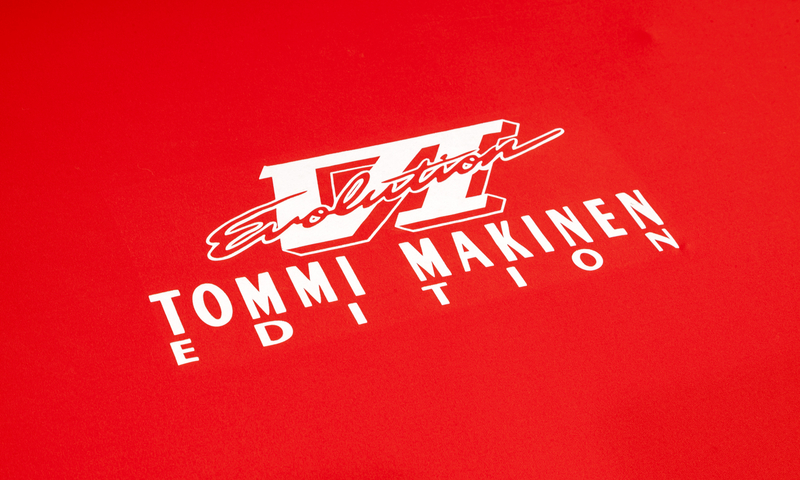
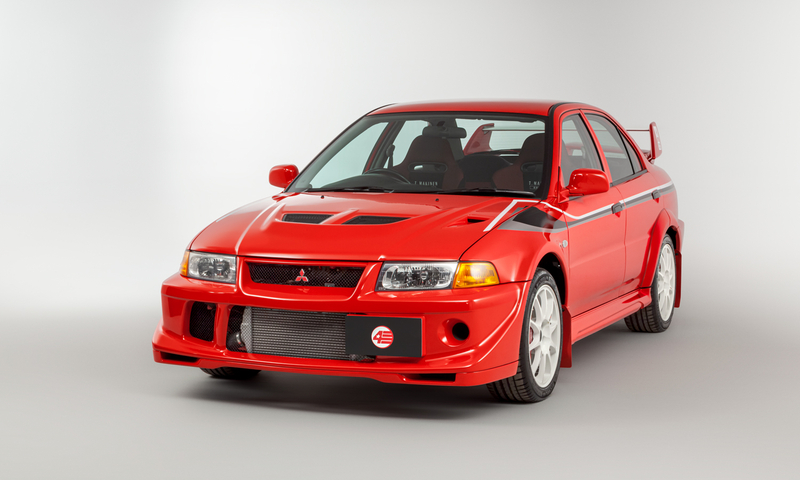
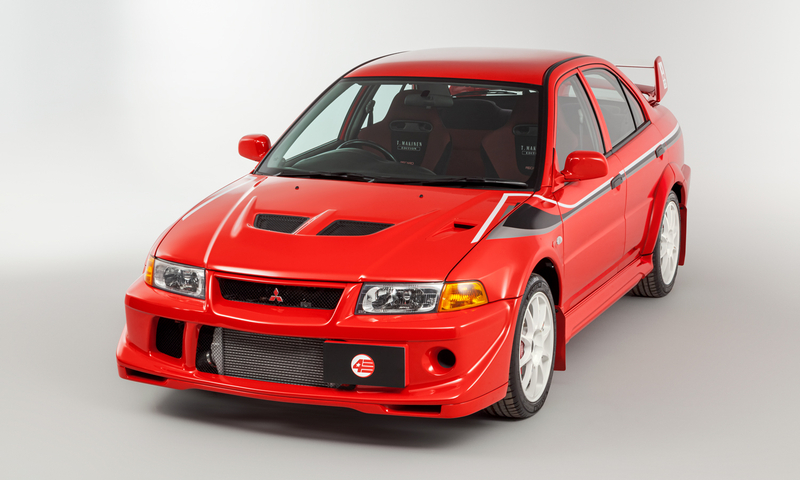
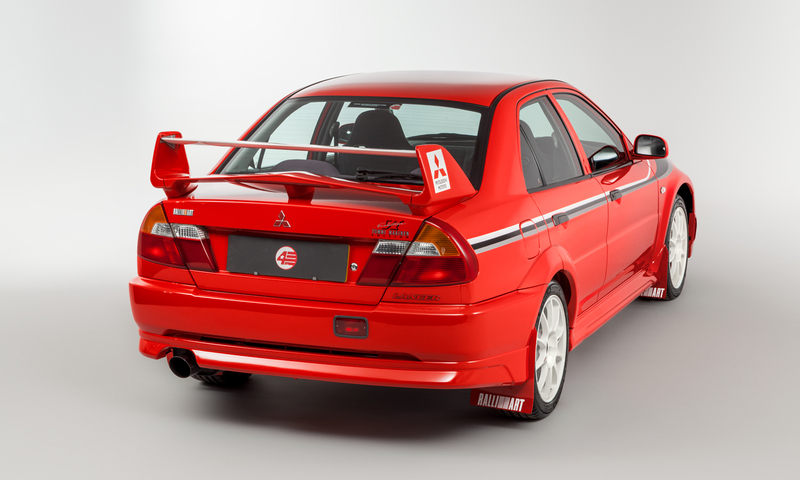
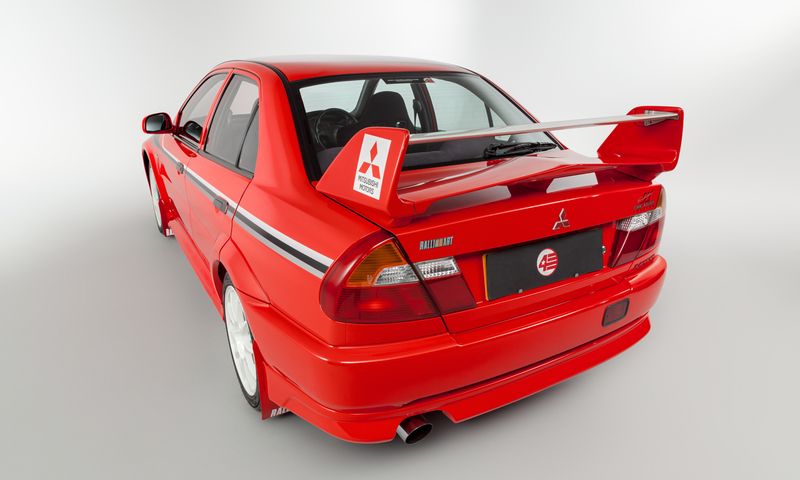
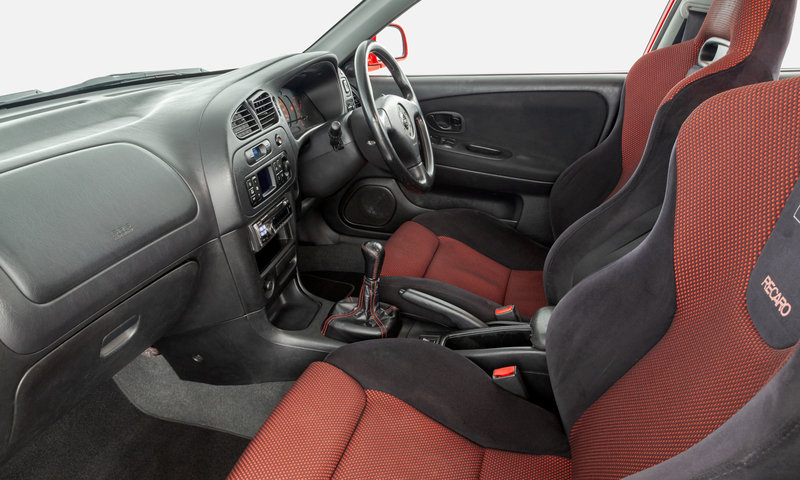
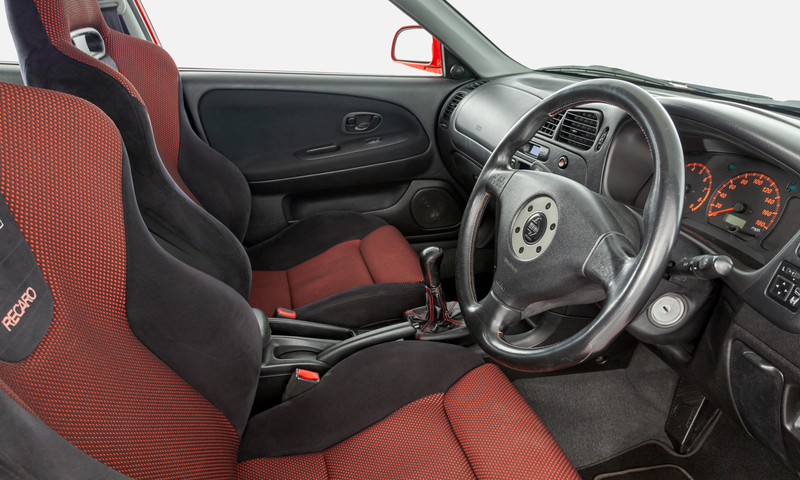
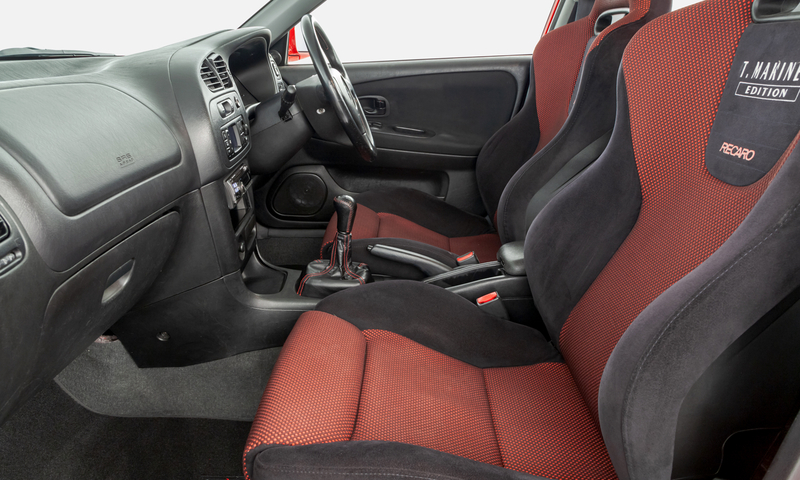
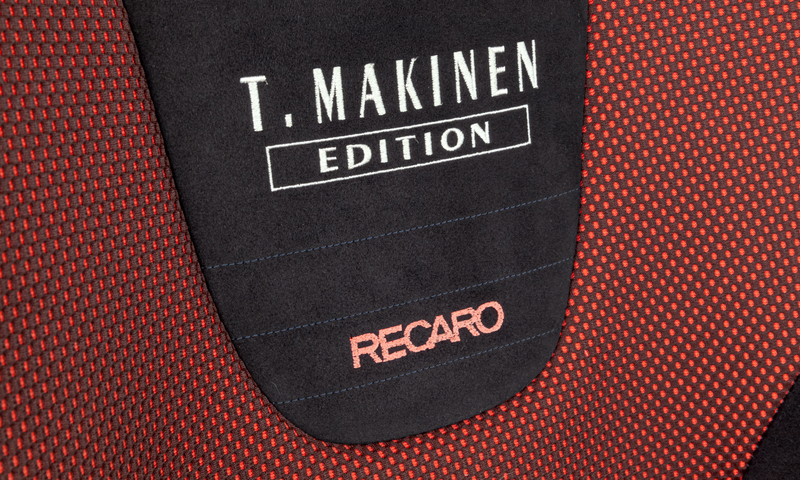
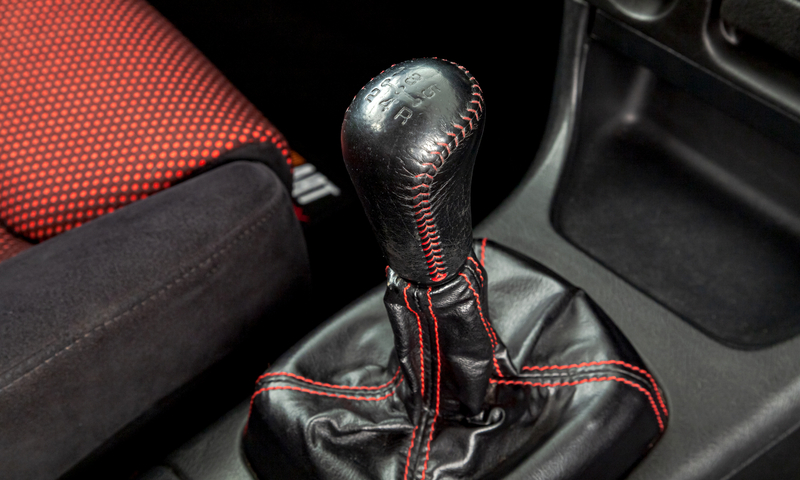
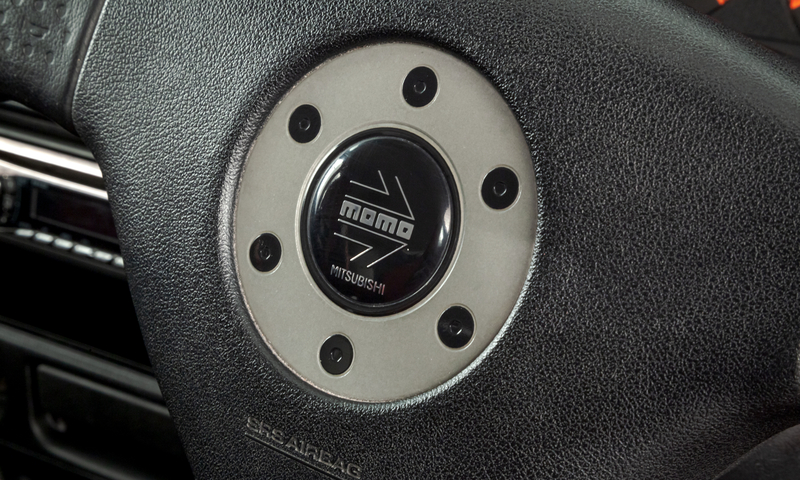
In 1999 the Tommi Makinen Edition was released. It featured a different front bumper, red and black Recaro seats embossed with the Tommi Makinen logo, 17-inch white Enkei wheels, a red-stitched leather Momo steering wheel and shift knob, a titanium turbine that spooled up more quickly, front upper strut brace, lowered ride height (with tarmac stages in mind), and a quicker steering ratio, among other things. The car is sometimes referred to as an Evolution 6.5, or TME for short.
The Tommi Makinen Edition was only available in Scotia White, Satellite Silver, Pyrenees Black, Canal Blue, and Passion Red (the only colour scheme available with the Works stripes and decals kit). Out of all the colours, the red is considered to be most collectable; certainly the used car market favours it as values are seen to be increasing year on year. In total there were 2,021 GSR and just 678 RS lightweight variants.
Equipment
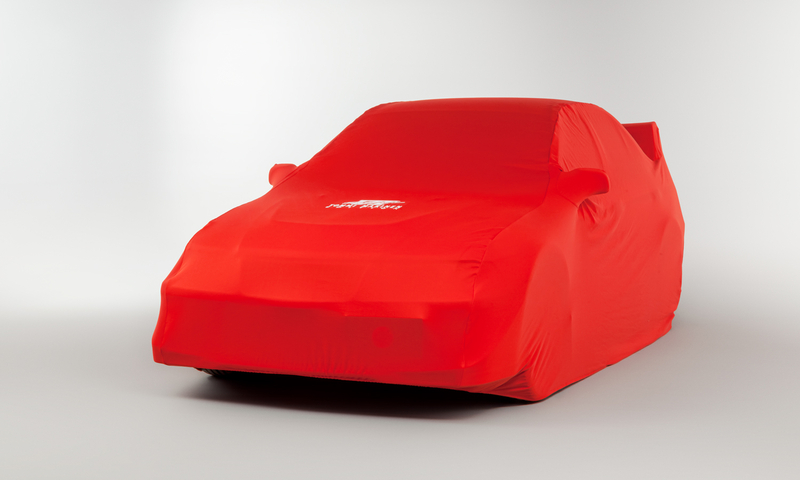
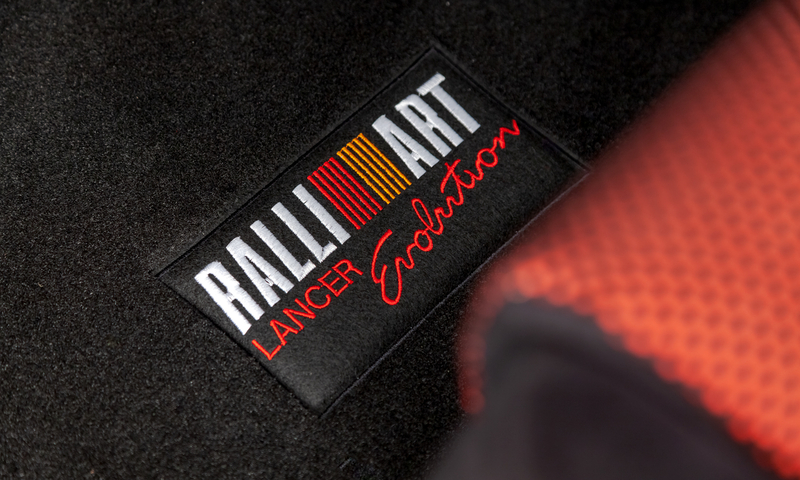
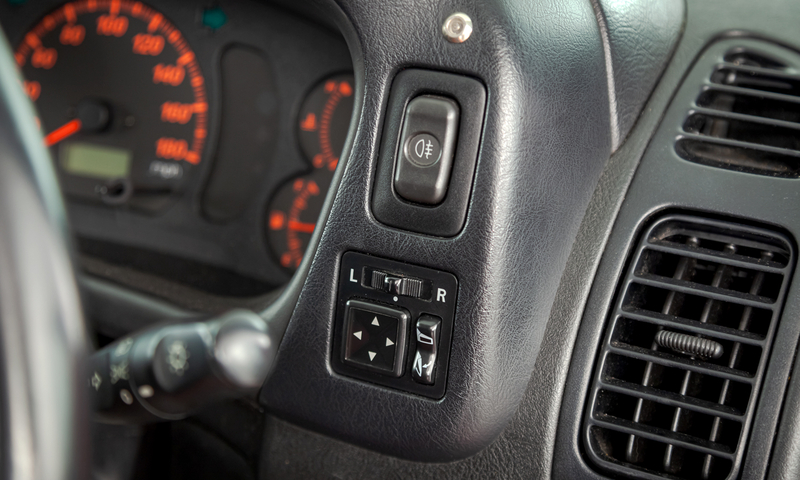
Passion Red paintwork with Special Colour Pack (SNGF2), 180mph speedometer, TME-embroidered Recaro front seats, 17-inch Enkei alloy wheels, Integrated rear fog lamp, Front and side airdams, Twin-wing rear spoiler with high-mount stop lamp, Momo leather steering wheel with red stitching, Leather gearknob and gaiter with red stitching, Specially tuned suspension, Brembo brakes, Colour-keyed electronically controlled door mirrors, Driver’s and front passenger’s SRS airbags, Automatic air conditioning, Electric windows front and rear, Remote central locking system, Rear centre armrest, Cup holders, Ralliart mud flaps, Ralliart carpet mats, Spare wheel, Jack, Spare key, Bespoke indoor car cover.
Exterior
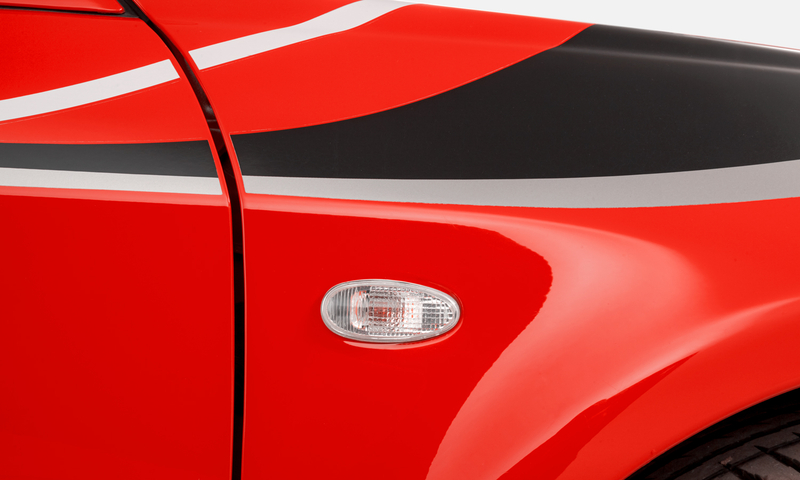
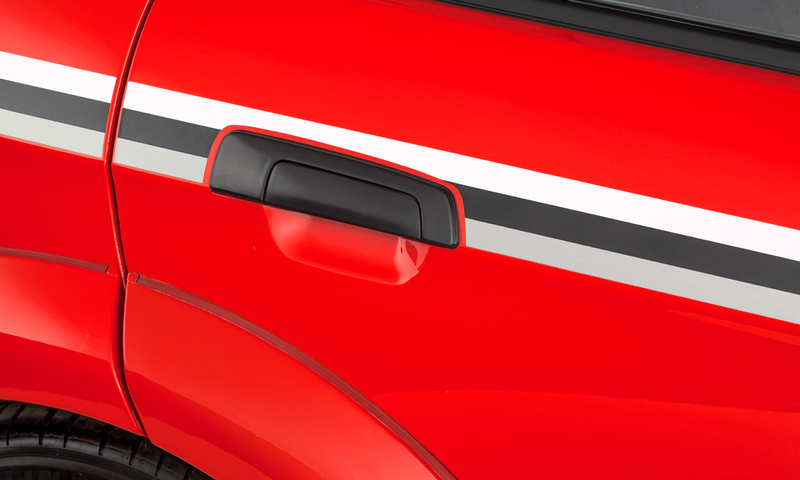
Visually similar to the Championship winning cars made famous by rally legend Tommi Makinen, this gleaming Evo 6.5 in sought-after Passion Red presents exceptionally well under the glare of our studio lights. Appearing largely original throughout the paintwork retains a deep and youthful shine across every panel. The Special Colour Pack (SCP) decals are in equally fine order with no fading or discolouration to report. UK-registered from new, the car is equipped with the rear fog light integrated into the bumper.
What really sets this one apart from the rest is the incredible condition of the underside, on which the current owner has spent the best part of £20k bringing up to his exacting standards. What began as a simple cosmetic refresh ended up as a thorough nut-and-bolt underside restoration, and the result is quite simply exceptional. The whole underneath was shot blasted back to bare metal and photos were taken to prove no rust holes were present and no welding had ever been carried out. Then, almost every component was either refurbished or replaced with OEM spec; the list of work undertaken is comprehensive to say the least. A full gallery of photos detailing this refurbishment is available on request.
VIEWINGS WELCOME BY APPOINTMENT ONLY /// ADDITIONAL PHOTOS AVAILABLE UPON REQUEST
Interior
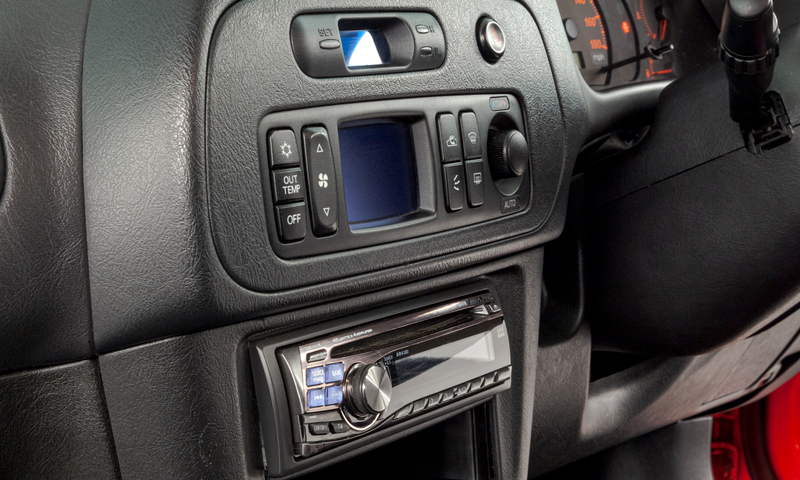
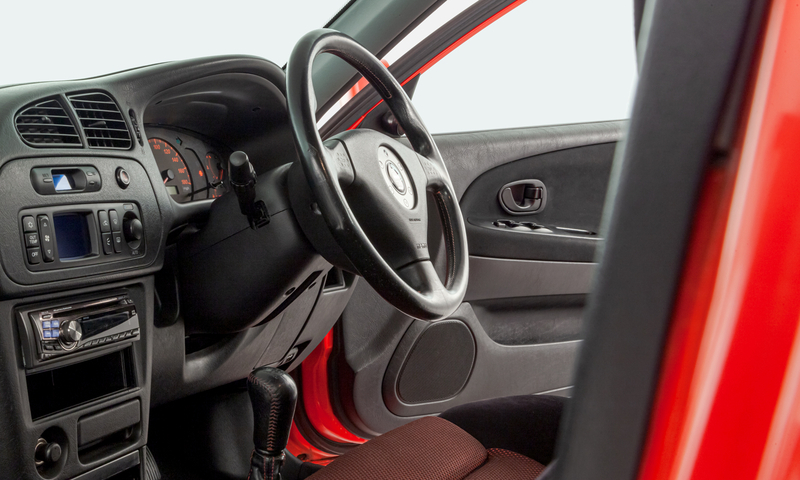
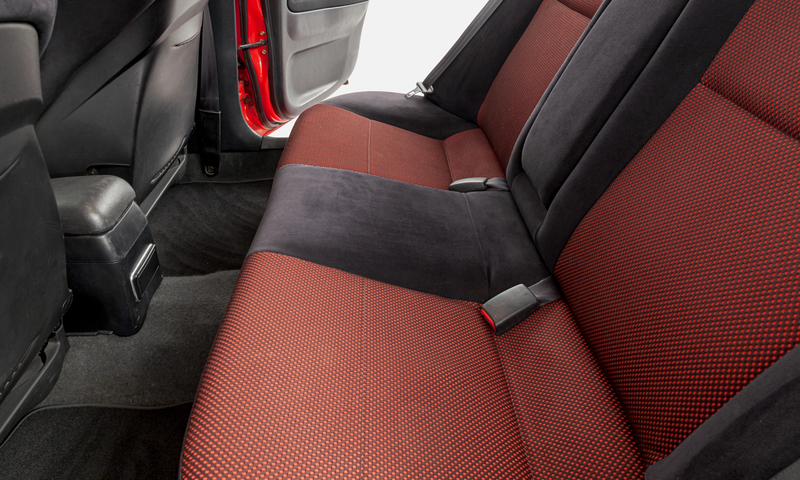
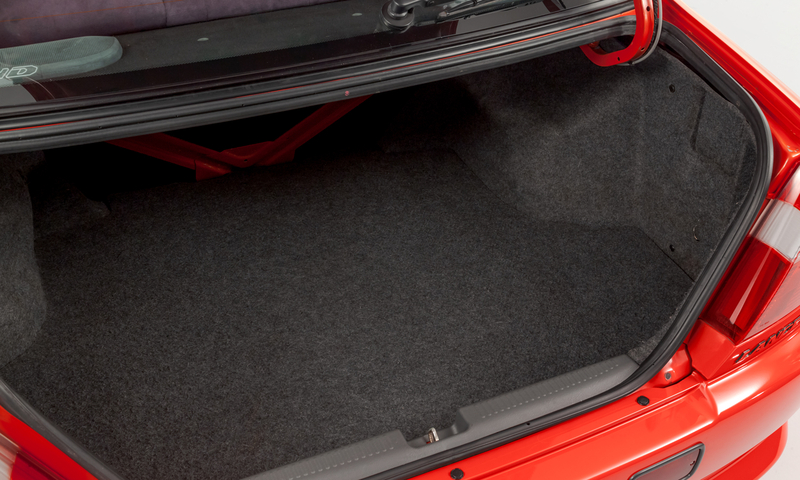
The interior space is also really well presented. The supportive Recaro seats are trimmed in a combination of special red cloth and black velour, which is amazingly free from any of the common discolouration or fading issues. Looking closer, the centre panels are entirely unmarked and the deep bolsters show next to no signs of any wear, damage, or bobbling to the fabric. All in all, this has to be the best-preserved upholstery we have seen in any Tommi Makinen Edition, UK-supplied or otherwise. The rear seats are also unblemished as are the carpets, which are well protected in the footwells by a set of tailored Ralliart overmats.
ENGINE & TRANSMISSION
It’s not often that we are blown away by the condition of an engine bay, but then again this is no ordinary Evo VI. As part of the car’s eye-watering £20k underside and mechanical overhaul the engine and surrounding bay were also fully restored to ‘as new’ – our studio photos really don’t do them justice.
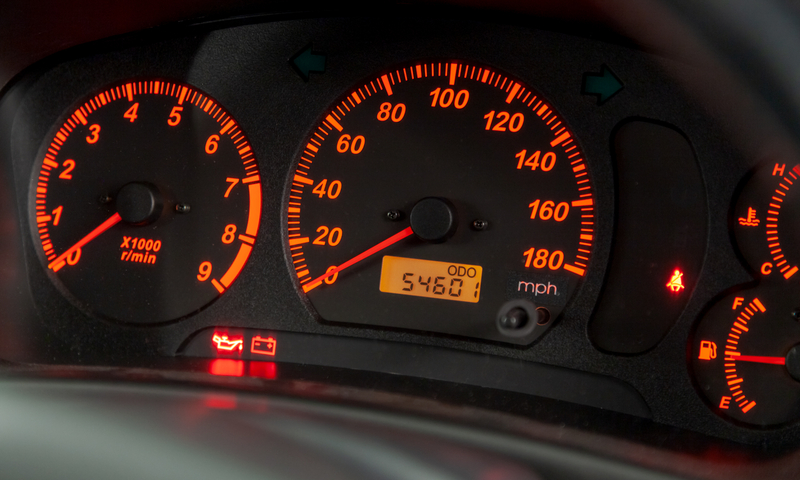
Having covered just 54k original miles with a comprehensive service history, the factory 4G63 engine was in fine operational condition. However, with the goal of achieving perfection the current owner insisted the engine be removed and entirely re-dressed including all new pipework and bolts. A brand new genuine TME titanium turbo was sourced and fitted, along with a new intercooler, etc. Freshly serviced, the car also boasts a new clutch, flywheel, and OEM exhaust.
WHEELS, TYRES & BRAKES
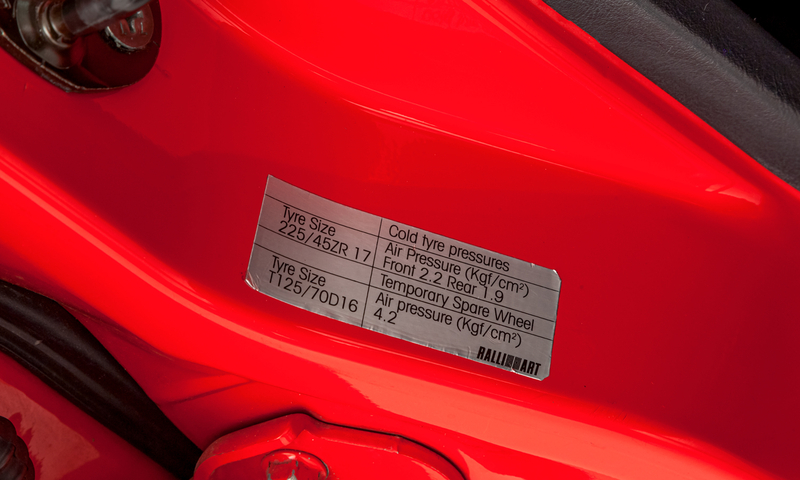
The Evo sits on its original set of 17-inch Enkei wheels, remarkably well preserved in their original white finish. One or two light chips to the paint are visible on close inspection, further showing their honesty. All four wheels are shod in a brand new matching set of Michelin Pilot Sport tyres. The brakes have also been replaced all round and perform without fault.
History File
First registered new in the UK in July 2000, this particular SCP TME is a rare beast indeed. Pre-dating the known 250 Ralliart-supplied TMEs this car is understood to be one of only a handful supplied new to the UK before Mitsubishi asked Ralliart to take over due to increasing demand.
The current owner spent around 2 years searching for a decent UK example only to find that most were a disappointment, many having rusted from the rear subframe outwards as these cars were not suitably prepared for our harsh UK roads. Based on the fact that it had always been garaged and well looked after, he purchased this Evo VI in February 2015. With the intention of keeping it as part of his collection forever he set out to make the car truly perfect, spending in excess of £20k in the process, as detailed above.
Boasting just 3 former keepers and only 54k miles from new with a comprehensive service history, this rare opportunity to own one of the most sought-after Lancer Evolutions in such unrepeatable condition is certainly not to be missed.
http://www.4starclassics.com/for-sale/mitsubishi-evo-vi-tommi-makinen-edition-for-sale/
2000 Mitsubishi Lancer Evolution is listed verkauft on ClassicDigest in Kingsley by 4 Star Classics for £59995.
Fakten der Auto
Karosserietyp : Auto Marke : Mitsubishi Modell : Lancer Evolution Hubraum : 2.0 Modelljahr : 2000 Karosstyp : Rasse/Rallye-Auto Lage : Hampshire
Verkauft
Angaben Zum Verkäufer
Verkauft
Other cars listed for sale by this dealer
Datsun 240Z
39995£
Hampshire
Volkswagen Karmann-Ghia
36995£
Hampshire
Peugeot 205
10995£
Hampshire
Mercedes-Benz 500SL r129
19995£
Hampshire
BMW 735
29995£
Hampshire
über Mitsubishi
Mitsubishi: Eine Reise durch die Geschichte (bis in die 1980er Jahre)1. Frühe Anfänge:
Gründung: Mitsubishis Wurzeln reichen zurück zur Gründung einer Schifffahrtsfirma durch Yataro Iwasaki im Jahr 1870.
Diversifizierung: Das Unternehmen expandierte in den Bergbau, den Schiffbau und andere Branchen, was die Grundlage für die Mitsubishi Group bildete.
2. Erste Automobilunternehmungen:
Erste Automobilproduktion: Mitsubishi wagte sich im frühen 20. Jahrhundert in die Automobilproduktion.
Modell-A: Im Jahr 1917 führte Mitsubishi sein erstes Serienfahrzeug, das Modell-A, ein, Japans erstes Serienautomobil.
3. Nachkriegsära:
Umstrukturierung: Nach dem Zweiten Weltkrieg stand Mitsubishi vor Herausforderungen, durchlief jedoch eine Umstrukturierung und nahm die Automobilproduktion wieder auf.
Produktion von Jeeps: Anfangs konzentrierte sich Mitsubishi auf die Produktion von Jeeps und trug erheblich zur Wiederbelebung der japanischen Automobilindustrie bei.
4. Meilenstein-Modelle:
Mitsubishi 500: 1960 eingeführt, war der Mitsubishi 500 ein Kompaktfahrzeug, das dazu beitrug, kleinere Fahrzeuge in Japan populär zu machen.
Mitsubishi Colt 600: 1962 herausgebracht, war der Colt 600 ein Kleinwagen, der dazu beitrug, Mitsubishis Präsenz auf dem Automobilmarkt zu stärken.
5. Globale Expansion und die 1970er Jahre:
Partnerschaften: Mitsubishi schloss Partnerschaften mit internationalen Automobilherstellern und erweiterte damit seinen Einfluss über Japan hinaus.
Galant und Lancer: Modelle wie der Galant und der Lancer gewannen in den 1970er Jahren an Popularität und zeigten Mitsubishis Engagement für Innovation und Leistung.
6. Technologische Fortschritte:
Mitsubishi Astron-Motor: In den 1970er Jahren eingeführt, wurde der Astron-Motor zum Markenzeichen von Mitsubishi-Fahrzeugen und war bekannt für seine Langlebigkeit und Effizienz.
7. Höhepunkt der 1980er Jahre:
Mitsubishi Pajero: Anfang der 1980er Jahre eingeführt, markierte der Pajero (Montero in einigen Märkten) Mitsubishis Einstieg in das SUV-Segment und wurde ein globaler Erfolg.
Starion: Der Starion, Mitte der 1980er Jahre eingeführt, war ein Sportwagen, der Mitsubishis Leistungsfähigkeit demonstrierte.
8. Klassische Modelle von Mitsubishi der 1980er Jahre:
Mitsubishi Delica: Der Delica, erstmals in den 1960er Jahren eingeführt, gewann in den 1980er Jahren an Popularität und war ein vielseitiger Van in verschiedenen Konfigurationen.
Mitsubishi Mighty Max: Dieser kompakte Pickup-Truck war bekannt für seine Robustheit und Praktikabilität.
Mitsubishi Mirage: Der Mirage, in Hatchback- und Limousinen-Versionen erhältlich, wurde aufgrund seiner Kraftstoffeffizienz und Zuverlässigkeit beliebt.
Mitsubishis Reise durch die 1980er Jahre spiegelt ihre Entwicklung von einem vielfältigen Konglomerat zu einem bedeutenden Akteur in der globalen Automobilindustrie wider. Das Jahrzehnt brachte die Einführung von ikonischen Modellen mit sich, die Mitsubishis Ruf für Innovation und Leistung stärkten.