


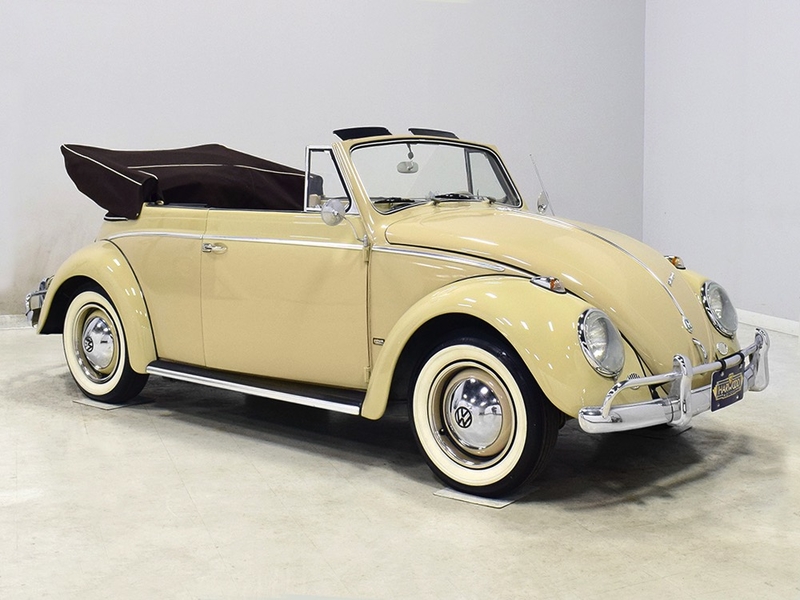
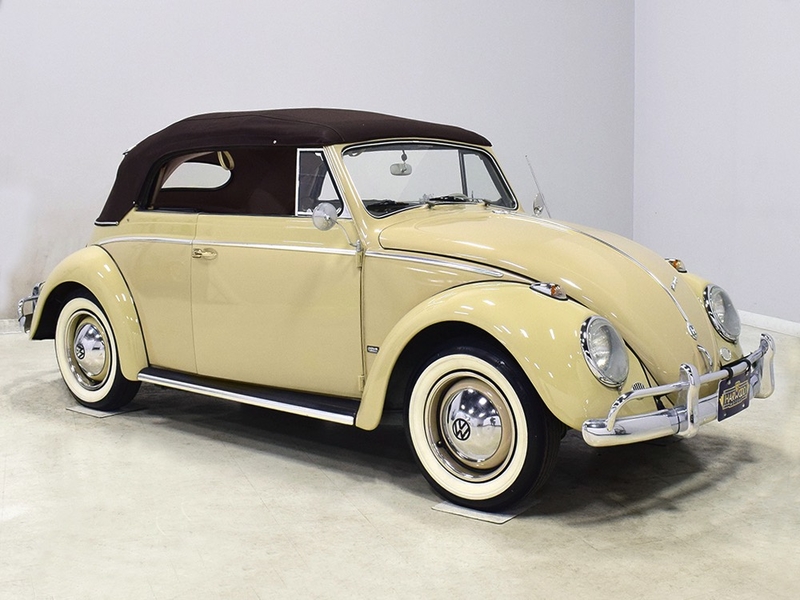
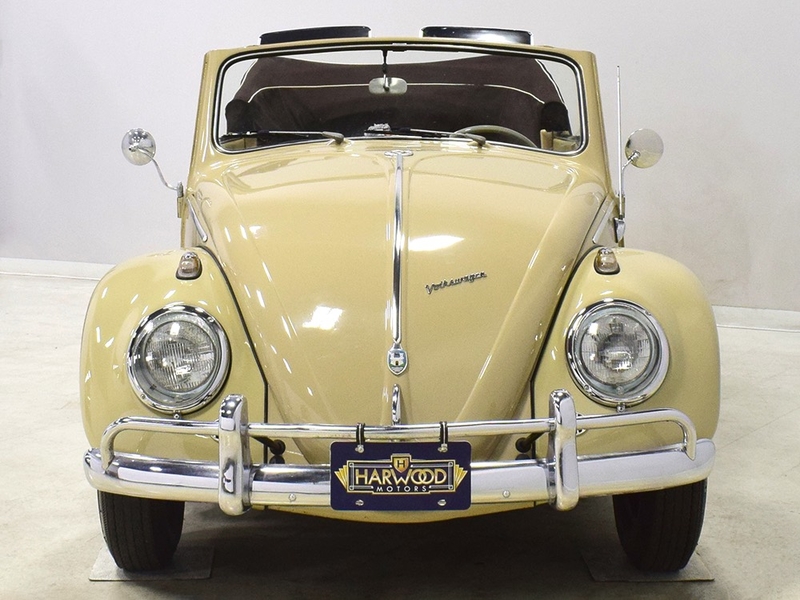
Volkswagen Käfer Typ1 1192 cc air-cooled flat-4 1958
Allgemeine Beschreibung :
The VW Beetle has been a special car for decades, and now that they’re genuine collectables, the good have been separated from the great. For true VW enthusiasts, early cars are far more desirable than late Beetles, and the differences between them are far greater than the familiar shape would suggest. Pre-1967 cars command a premium, and beyond that, sophisticated collectors understand that the virtually hand-built Karmann cabriolets of the 1950s are near the top of the VW food chain. With distinctive early car looks, fantastic build quality, and the energetic road manners that make these cars so endearing, they remain an eminently affordable way to own some top-notch hardware.
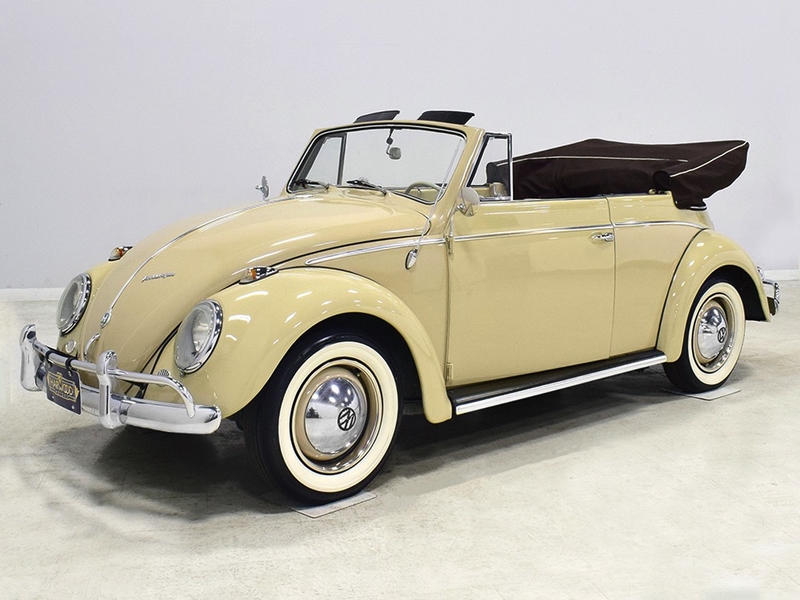
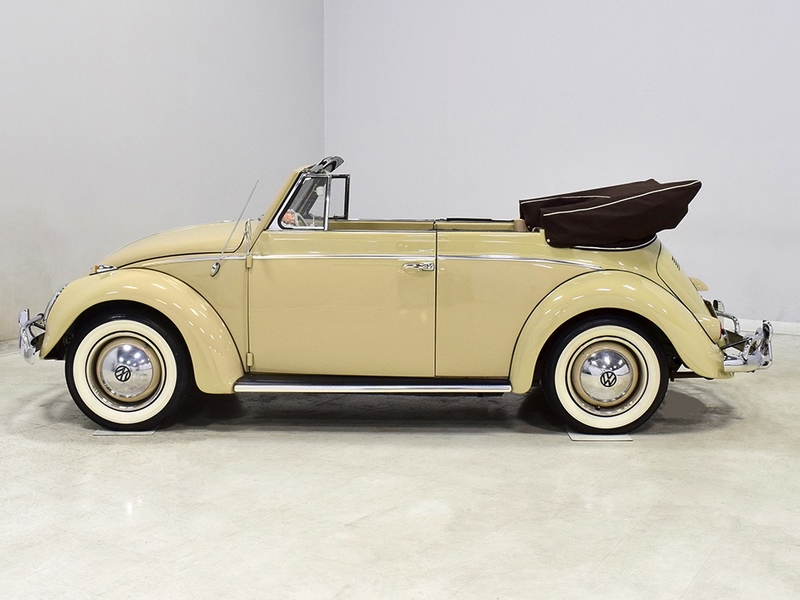
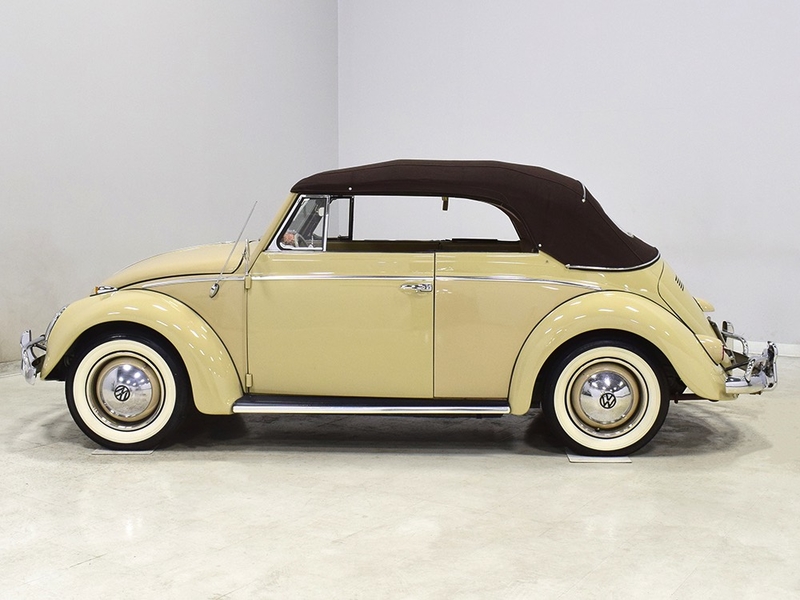
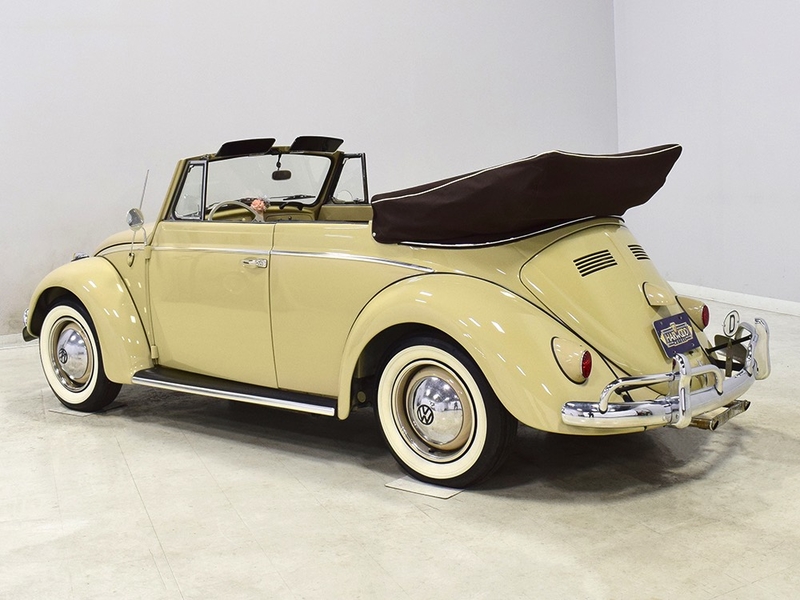
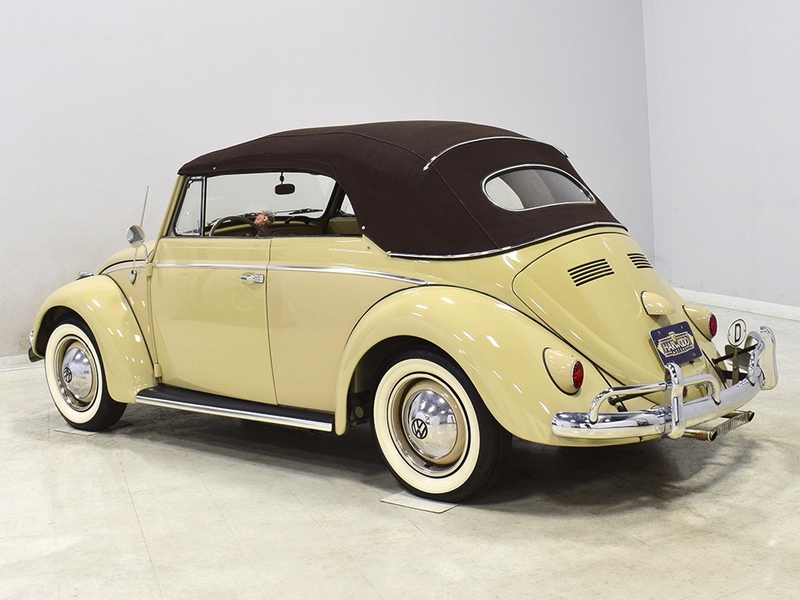
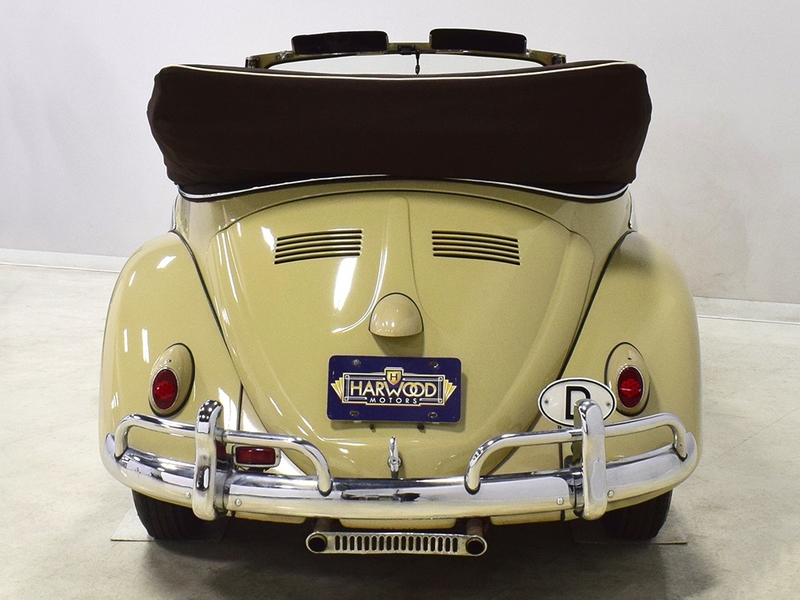
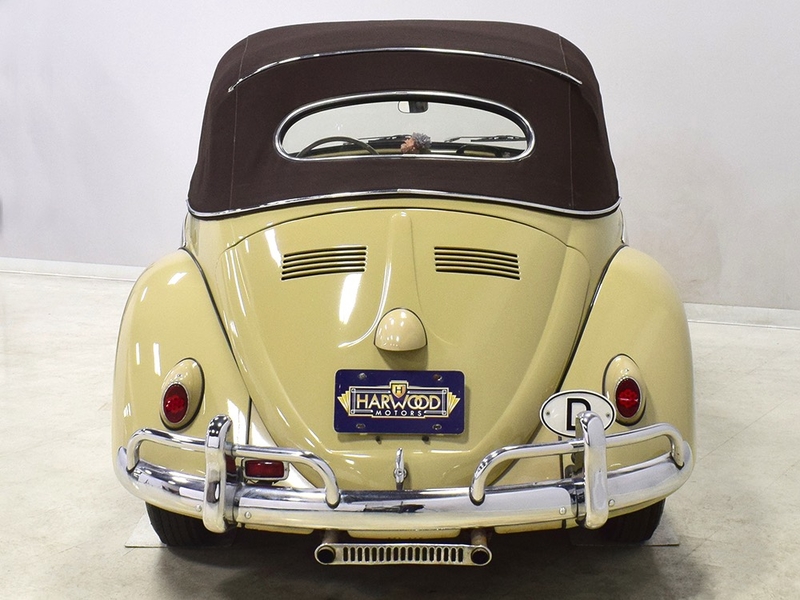
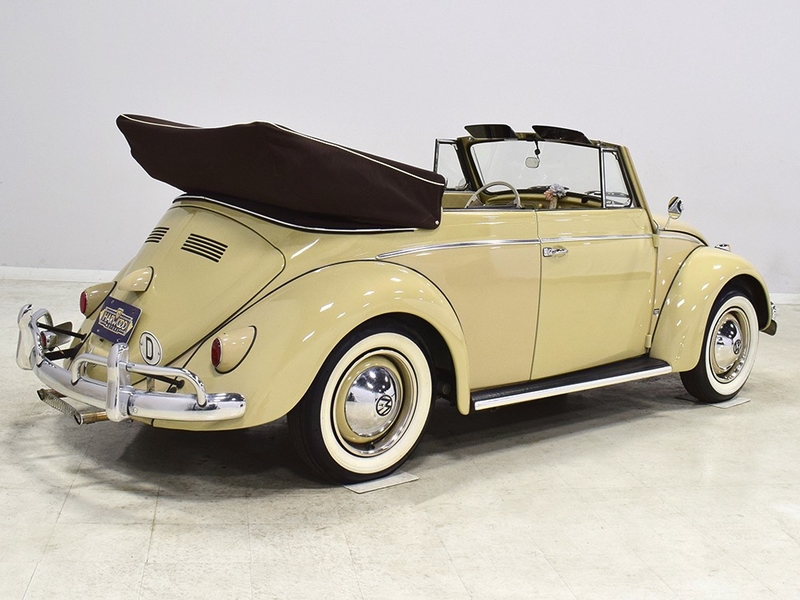
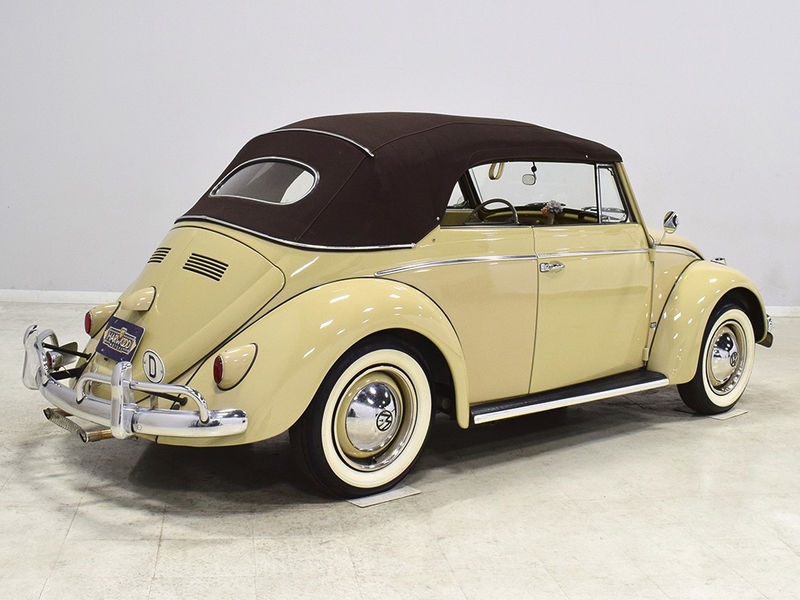
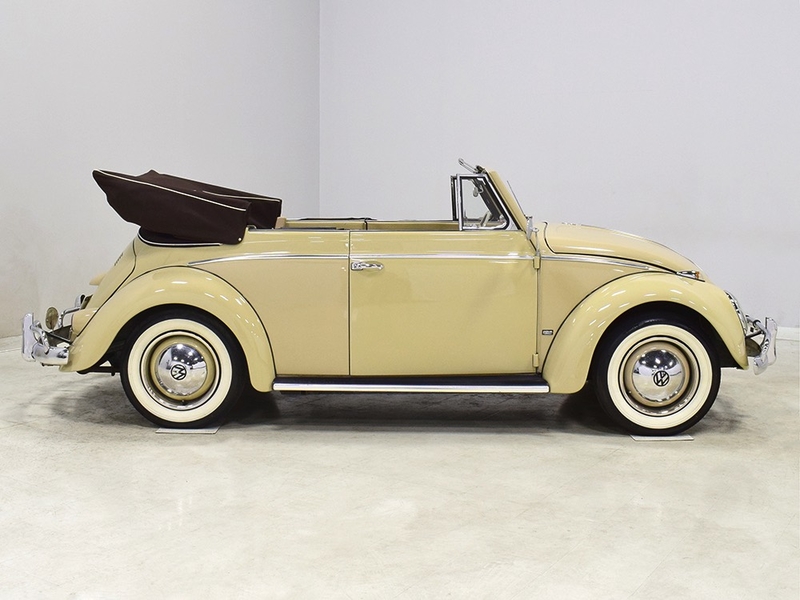
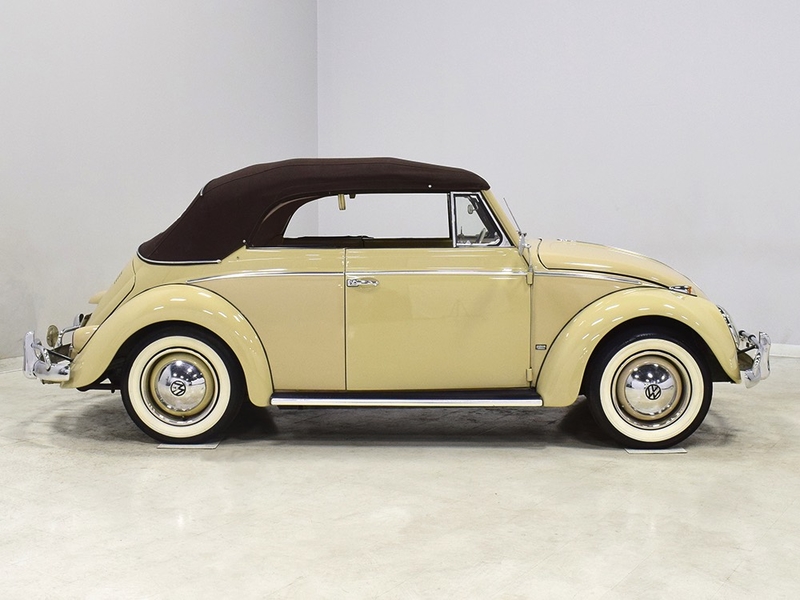
This particular cabrio was restored in the early 2000s and the quality of the work means it’s holding up beautifully. Wearing correct Sahara Beige paint, it has a traditional 1950s look with enough chrome to remind you that even affordable cars were flashy. Fit and finish are excellent throughout, with typically tight-fitting doors, even gaps, and a nice gloss to the paint that looks period-correct. It isn’t perfect, of course, but it’s quite nice in every way that matters. Early car features like the small parking lights and taillights, headlights under glass, and flat windshield make it stand out in a sea of late-model Super Beetle convertibles, and the detailing is quite correctly done. The chrome and stainless trim is fully rested, including the accessory bumper guards and dual side mirrors, and the running boards remain in excellent condition as well. Other notable early car details include the dual vent deck lid, small oval grilles up front, and accessory bumper guards. You’ll also note that the rear taillights have been upgraded to LEDs for improved safety on the road.
Most of us are familiar with late-model Bug convertibles and their sticky, hot vinyl upholstery, but these early cabriolets used high-quality cloth upholstery, which has been accurately replicated here. Durable-feeling striped cloth on low-back bucket seats makes this VW easy to drive even in warm weather and you never have to dread sitting down after it has been parked in the sun for an hour or two. Proper square-pile German carpeting lines the floor and nicely trimmed door panels with map pockets were made from the same fabric as the seat covers. The same controls greet you here as in any VW, a big banjo-style steering wheel, a big, round speedometer (there is no fuel gauge, so pay attention!), and secondary controls in the center of the dash. A Bendix AM radio was a lavish option and it still works, broadcasting through the speaker ahead of the driver. There’s also an accessory bud vase and basket shelf under the dash that add a bit of whimsy to the Beetle’s interior. The 4-speed manual shifter will feel familiar to anyone who has driven a Beetle in the past and seat belts were added during the restoration—probably not a bad idea. The beautifully fitted, insulated, and lined top shows you just how much time and effort Karmann put into the cabrios, yet it stows easily and has a matching canvas boot. The forward cargo compartment is not particularly spacious, but does include the original spare tire and fuel tank.
The familiar 1192 cc flat four engine does its best to make the cabriolet feel lively on the road and with legendary durability, it should be able to do it for a good, long time. Rebuilt at the time of restoration, it runs great and doesn’t have any issues beyond some very minor seepage in the usual spots. It starts easily, idles well, and has that traditional VW exhaust note that is a big part of why these cars are so beloved. It is also correctly finished with an original Bosch coil and distributor, fuel pump, and downdraft carburetor with heavy-duty air cleaner. A generator makes six volts of electricity (VWs were six volts until 1968, remarkably enough) and someone was careful about routing the lines and wires the way the factory might have done it. There are a few minor signs of use but nothing that couldn’t be erased with some elbow grease, and thanks to decades of development the hardware remains eminently reliable. This is one old car you can drive with confidence. Better yet, all the parts are still readily available and inexpensive, making a Beetle one of the most economical collector cars to own.
Underneath, the belly pan is in excellent condition and there’s no evidence that this car has ever been fully disassembled. A few areas show fresh spray primer, mostly to seal the holes drilled to mount the seat belts, but that’s’ hardly a demerit. Correct shocks, reproduction exhaust system components, and familiar hardware mean it’s ready to enjoy. Note the unique early-style front axle and swing-arm rear suspension that uses trailer arms for stability. The 4-speed manual gearbox looks to have been recently serviced and with 4.40 gears in the differential, it’s a reasonable 45-50 MPH car that feels quite energetic around town. Original steel wheels are outfitted with hubcaps and trim rings for an upscale look, plus a set of 5.60-15 wide whites to really dress things up.
Extras include an owner’s manual and original tool roll.
The Beetle remains one of the last affordable hobby cars, and they reward their owners with cheerful good looks, great road manners, and consistent reliability that few other cars can match. It’s also one of the most popular segments of the hobby with old and young enthusiasts enjoying history’s most successful automobile. This early convertible stands out due to its rarity and quality, yet it’s in ideal condition for being used as intended. And with a still-reasonable price tag, we’d say now is the right time to put a Beetle in your garage. Call today!
Harwood Motors always recommends and welcomes personal or professional inspections of any vehicle in our inventory prior to purchase.
http://www.harwoodmotors.com/vehicles/inventory_details.php?id=1304
1958 Volkswagen Käfer Typ1 1192 cc air-cooled flat-4 is listed verkauft on ClassicDigest in Macedonia by for $34900.
Fakten der Auto
Karosserietyp : Auto Marke : Volkswagen Modell : Käfer Typ1 Ausführung : 1192 cc air-cooled flat-4 Hubraum : 0.0 Modelljahr : 1958 Karosstyp : Convertible Lage : Ohio
Verkauft
Angaben Zum Verkäufer
Verkauft
People who viewed this Volkswagen Käfer Typ1 also viewed similar Volkswagen listed at ClassicDigest
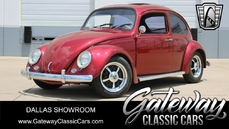
Volkswagen Beetle Typ1
30000 $
Tampa
Volkswagen Beetle Typ1
22500 $
Dallas
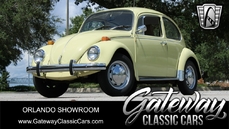
Volkswagen Beetle Typ1
13000 $
Orlando
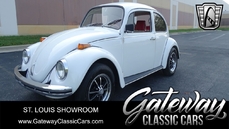
Volkswagen Beetle Typ1
26000 $
St. Louis
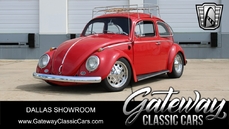
Volkswagen Beetle Typ1
21000 $
Dallas
Other cars listed for sale by this dealer
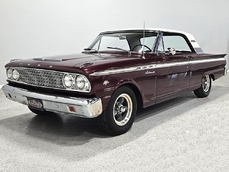
Ford Fairlane
29900$
Ohio
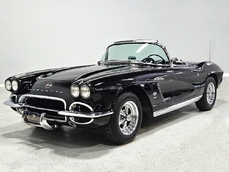
Chevrolet Corvette
89900$
Ohio
Other Other
7900$
Ohio
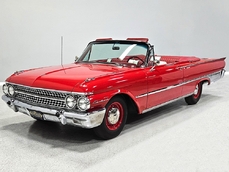
Ford Galaxie
59900$
Ohio
Chevrolet Corvette
84900$
Ohio
über Volkswagen
Die Volkswagen-Geschichte ist in der Tat eine faszinierende Geschichte von Innovation, Belastbarkeit und Wiederbelebung nach dem Krieg, die von verschiedenen Modellen gekennzeichnet ist, die in der Automobilgeschichte zu Ikone geworden sind.Das Volksauto (Volkswagen): Zunächst von Adolf Hitler in den 1930er Jahren als "Volksauto" oder "Volkswagen" auf Deutsch vorgestellt, war die Idee, ein erschwingliches und praktisches Fahrzeug für das deutsche Volk zu schaffen. Dieses Konzept führte zur Entwicklung des von Ferdinand Porsche entworfenen Volkswagenkäfers (oder des Typ 1).
Nachkriegsherausforderungen: Nach dem Zweiten Weltkrieg stand Volkswagen erhebliche Herausforderungen. Die Fabrik war stark beschädigt, und die Verbindung der Marke mit dem NS -Regime führte in einigen Regionen zu einem mangelnden Interesse an dem Auto.
Britische Intervention - Die britische Armee & Ivan Hirst: Die britische Armee übernahm die Kontrolle über die Fabrik in der unmittelbaren Nachkriegszeit. Major Ivan Hirst, ein Offizier der britischen Armee, spielte eine entscheidende Rolle bei der Wiederbelebung von Volkswagen. Er erkannte das Potenzial des Käfers und setzte sich für seine Produktion ein. Er überzeugte das britische Militär, mehrere tausend Autos zu bestellen. Diese Entscheidung hat dazu beigetragen, die Wiederbelebung der Marke zu starten.
Exporterfolg und der globale Anziehungskraft des Käfers: Der Käfer gewann nicht nur in Deutschland, sondern auch weltweit an Popularität und wurde zu einer Ikone des erschwinglichen Fahrwerks. Das einfache, zuverlässige Design und das einzigartige Erscheinungsbild machten es zu einem Favoriten unter den Verbrauchern weltweit.
Modellentwicklung: Im Laufe der Jahre führte Volkswagen verschiedene Modelle neben dem Käfer ein, wobei jeder zum Wachstum der Marke beitrug:
Typ 2 (VW -Bus oder Transporter): In den 1950er Jahren wurde er in den 1960er Jahren zu einem ikonischen Symbol der Hippie -Bewegung eingeführt und wurde wegen seiner Geräumigkeit und Vielseitigkeit geliebt.
Golf (Kaninchen in den USA): Der Golf (oder Kaninchen in den USA) wurde Mitte der 1970er Jahre ins Leben gerufen und markierte eine Verlagerung in Richtung Frontantrieb, modernes Design und Schrägheckpraktikabilität und wurde zu einem Eckpfeiler des Erfolgs der Marke.
Passat, Jetta und andere Modelle: Volkswagen erweiterte seine Aufstellung mit Modellen wie dem Passat und Jetta, die sich für verschiedene Marktsegmente befassen.
Herausforderungen und Innovationen: Trotz des Erfolgs stand Volkswagen vor Herausforderungen, einschließlich Qualitätsproblemen in den 1970er Jahren. Die Marke hat jedoch weiterhin neue Modelle und Technologien entwickelt und entwickelt.
Aufstieg des GTI und globaler Expansion: In den 1980er Jahren stieg der legendäre Golf GTI auf, eine Hochleistungsversion, die den Trend der heißen Luke auslöste. Volkswagen erweiterte auch seine globale Präsenz in diesem Zeitraum.
Die britische Intervention bei der Wiederbelebung von Volkswagen nach dem Zweiten Weltkrieg spielte eine entscheidende Rolle bei der Wiederbelebung der Marke. Während es in den 1950er und 1960er Jahren aufgrund des Erfolgs von Volkswagen in den 1950er und 1960er Jahren möglicherweise einige Spannungen oder einen Wettbewerb zwischen Automobilunternehmen gegeben hat, hat die Fähigkeit der Marke, innovative und beliebte Modelle zu produzieren, ihren Platz in der Automobilgeschichte festigend.